Great Health Great Fitness

Japanese Walking Method: 3-Minute Interval Walking Benefits & Beginner Plan
Learn how Japanese interval walking works, how to alternate three-minute brisk and easy intervals, and how beginners can build up safely.

The Japanese walking method is a simple interval-walking workout: walk easily for three minutes, then walk briskly for three minutes, and repeat. The best-known research protocol uses five fast-and-easy cycles for a 30-minute session. It has become a popular fitness trend because it adds structure and intensity to ordinary walking without requiring running, a gym membership or complicated equipment.
But does Japanese walking really work, how fast should you walk, and is it suitable for beginners? This guide explains the method, what the research can—and cannot—tell us, how to start safely, and what equipment is actually useful.
What is the Japanese walking method?
The Japanese walking method is a form of interval walking training (IWT). Instead of maintaining one steady pace, you alternate between a challenging brisk pace and a comfortable recovery pace.
- 3 minutes easy: Walk at a comfortable recovery pace and let your breathing settle.
- 3 minutes brisk: Increase to a challenging but controlled pace; you should still be able to say a short sentence.
- Repeat: Complete five fast-and-easy cycles for about 30 minutes.
The routine is associated with research conducted by scientists at Shinshu University in Japan. The name refers to the research origin; interval walking itself is not exclusive to Japan.
How to do Japanese interval walking: step-by-step
1. Choose a safe, mostly flat route
Pick a park path, track, quiet pavement or treadmill where you can change pace without needing to dodge traffic or obstacles. Wear comfortable footwear that fits properly. Avoid steep or slippery surfaces when you are learning the intervals.
2. Warm up for 3–5 minutes
Begin with an easy walk. Gradually increase your pace so your breathing and muscles are ready for faster movement. Do not start the first interval at an all-out sprint.
3. Walk easily for 3 minutes
Use a comfortable recovery pace and let your breathing settle. This is active recovery, not a complete stop unless you need one.
4. Walk briskly for 3 minutes
Increase your pace to a challenging but controlled effort. You should breathe faster and find a long conversation difficult, but you should not be gasping, dizzy or struggling to stay balanced. Keep your shoulders relaxed, look ahead and swing your arms naturally.
5. Repeat the intervals and cool down
Repeat the three-minute easy and three-minute brisk pattern. The commonly described full session contains five cycles, followed by a few minutes of relaxed walking to cool down. If 30 minutes is too much at first, start with fewer rounds.
Japanese walking for beginners: a gradual 4-week plan
You do not need to begin with the full 30-minute routine. Build up according to your current activity level and how you feel during and after each session. The plan below is a conservative way to practise the intervals; it is not a medical prescription.
| Week | Suggested session | Goal |
|---|---|---|
| Week 1 | Warm up, then 2 cycles of 3 minutes easy + 1 minute brisk; cool down. | Learn pace changes without overexertion. |
| Week 2 | 3 cycles of 3 minutes easy + 2 minutes brisk, if comfortable. | Build confidence and repeatability. |
| Week 3 | 3–4 cycles of 3 minutes easy + 3 minutes brisk. | Practise the standard interval length. |
| Week 4 | Work towards 5 cycles of 3 minutes easy + 3 minutes brisk. | Approach the 30-minute research-style session. |
Start with two or three sessions per week if you are new to exercise, and allow recovery between harder walks. Add a session or increase the brisk interval only when the current level feels manageable. You can stay at an easier level longer; there is no need to rush to week four.
Japanese walking benefits: what does the science say?
A frequently cited 2007 study compared interval walking training with continuous moderate-intensity walking and a control group in middle-aged and older adults. The interval group alternated three-minute low-intensity and high-intensity walking periods, repeating the pattern for around 30 minutes on at least four days per week over five months.
The researchers reported improvements in aerobic fitness, leg strength and blood-pressure measures in the interval-training group compared with the continuous-walking group. These findings make interval walking an interesting option for people who want a structured way to improve fitness.
However, the study does not prove that Japanese walking is a miracle workout, that it is better for every person, or that it produces rapid weight loss. Results from a particular research group and population should not be treated as guaranteed outcomes for everyone.
1. It can improve cardiovascular fitness
Alternating brisk and easier walking gives you periods of higher aerobic effort with recovery built in. Over time, consistently practising an appropriate exercise routine can help improve cardiorespiratory fitness. Your starting fitness, health, pace and consistency all matter.
2. It may support blood-pressure improvements
The original interval-walking research reported improvements in blood-pressure measures among participants. Walking is one way to build regular aerobic activity into your week, but it does not replace prescribed blood-pressure treatment, monitoring or medical advice.
3. It challenges the leg muscles
Walking faster changes the effort required from your legs. The research reported improvements in thigh muscle strength, but interval walking is not a complete substitute for resistance training. Add appropriate strength exercises if your goal includes building or maintaining muscle.
4. It makes a walk more structured
Some people find a timed routine easier to follow than an open-ended step target. The alternating intervals give each session a clear plan and a simple way to monitor progress without needing expensive equipment.
5. It is a low-impact alternative to running
Both brisk and easy walking keep one foot on the ground, so the activity is generally lower impact than running. That does not mean it is suitable for every joint, injury or medical condition. Adjust the pace and seek professional guidance if you have pain or mobility limitations.
Japanese walking vs normal walking: which should you choose?
| Feature | Steady walking | Japanese interval walking |
|---|---|---|
| Pace | Mostly consistent | Alternates brisk and easy periods |
| Structure | Flexible duration or step goal | Timed intervals |
| Effort | Can be easy or moderate | Includes controlled harder periods |
| Equipment | Comfortable shoes | Comfortable shoes and a timer |
| Best fit | People who enjoy a relaxed or steady pace | People who prefer a planned pace-changing session |
Neither approach is automatically best for everyone. The most useful walking plan is one you can do consistently and safely. If you enjoy steady walking, keep doing it. If you want more variety and can tolerate brisk intervals, try interval walking gradually.
Does Japanese walking help with weight loss?
Japanese walking can contribute to your overall physical activity, and brisk intervals may increase the effort of a session compared with an easy stroll. But no walking method guarantees fat loss. Changes in body weight depend on several factors, including eating patterns, total daily movement, sleep, health conditions and consistency over time.
If weight management is your goal, combine regular walking with balanced meals, adequate protein, strength training and realistic habits. Avoid claims that a 30-minute Japanese walking workout is equivalent to a fixed number of steps or guarantees a specific amount of weight loss.
What do you need for Japanese walking?
You do not need a special Japanese walking machine, expensive membership or a dedicated app. A safe route, comfortable footwear and a simple timer are enough for most people. A fitness watch can be useful if you already own one, but it is optional.
Our walking-shoe example: Skechers GO WALK FLEX
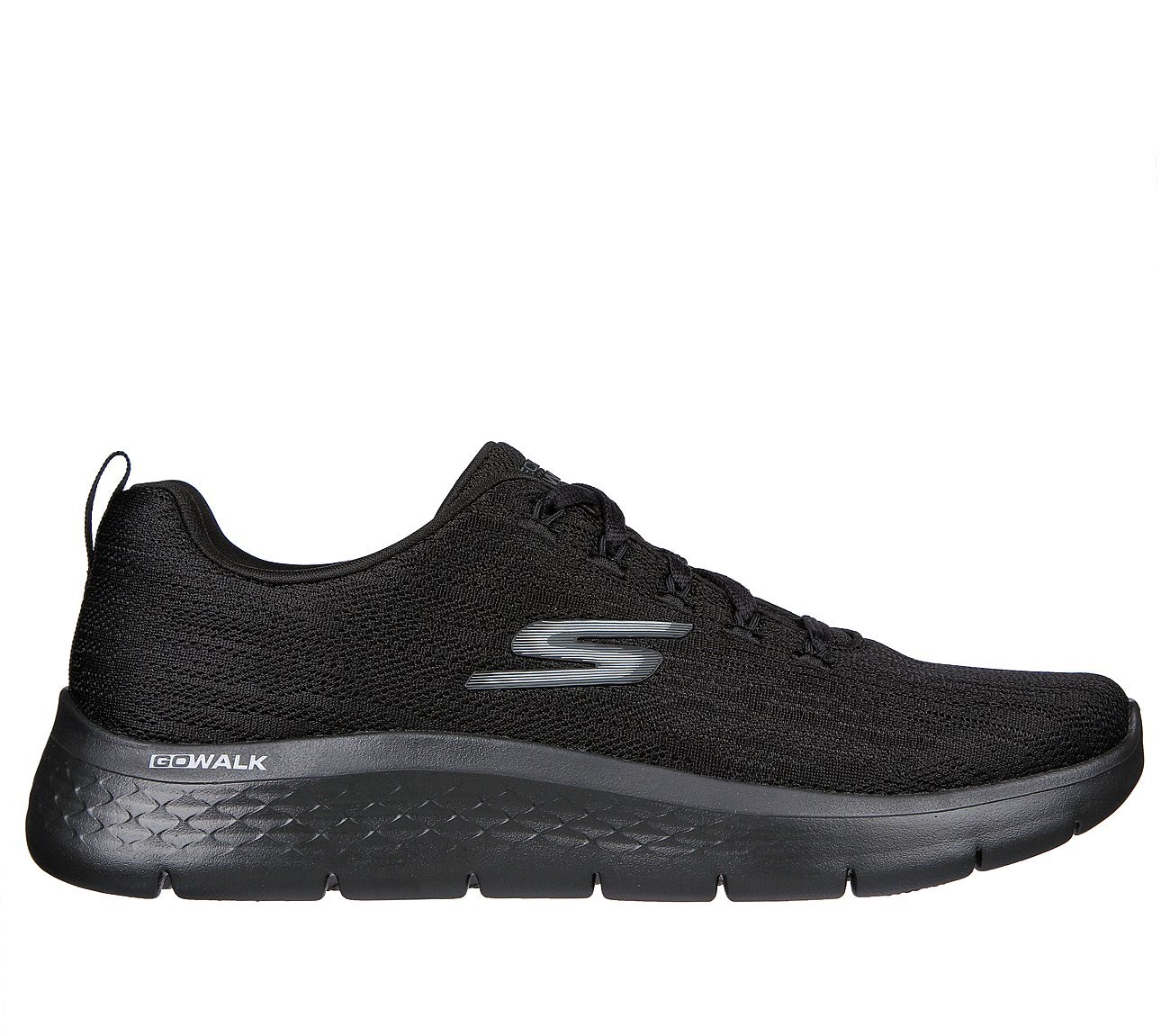
Skechers GO WALK FLEX walking shoes
This is an example of a walking shoe to consider if you are looking for cushioned footwear for regular walks. The Skechers India product information describes the GO WALK FLEX range as having lightweight cushioning, a breathable insole and a flexible traction outsole. Fit and comfort are individual, so check the exact model, size, width, seller, return policy and current listing before ordering.
Check Skechers GO WALK FLEX on Amazon India
Affiliate disclosure: GHGF may earn a commission if you purchase through this link, at no extra cost to you. This is an example product, not a requirement for Japanese walking. Any comfortable, well-fitting footwear suitable for your feet and walking surface may work.
Safety tips: who should take extra care?
- Start with easy walking if you have been inactive; increase duration and pace gradually.
- Choose a safe, well-lit route and be aware of traffic, uneven ground and weather.
- Stay hydrated, particularly in hot or humid conditions, and avoid exercising in extreme heat.
- Stop if you develop chest pain, unusual breathlessness, dizziness, faintness or severe pain. Seek urgent medical care for serious or persistent symptoms.
- If you have heart or lung disease, uncontrolled blood pressure, diabetes with complications, significant joint problems, balance difficulties or a recent injury or surgery, ask a healthcare professional what level of exercise is appropriate before starting brisk intervals.
- Do not use a high-intensity pace as a test of willpower. The brisk interval should be challenging but controlled.
Frequently asked questions about Japanese walking
How many minutes should you do Japanese walking?
The commonly described research-style session is about 30 minutes: five rounds of three minutes brisk and three minutes easy, with warm-up and cool-down as appropriate. Beginners can start with fewer or shorter intervals.
How many times a week should you do Japanese interval walking?
The original research protocol used frequent sessions, often at least four days per week. Beginners do not need to copy that schedule immediately. Start with a manageable frequency and build gradually, allowing recovery.
Is Japanese walking better than 10,000 steps?
They measure different things. Japanese walking describes a structured workout with pace intervals; 10,000 steps is a daily step-count target. Research does not establish that one is universally better for everyone. You can use interval walking as part of your daily movement rather than treating it as a replacement for all other activity.
Can beginners do the Japanese walking method?
Many beginners can adapt interval walking by starting with shorter brisk periods, longer recovery periods and fewer rounds. If you have a medical condition, pain or balance concerns, get individual guidance first.
Can I do Japanese walking on a treadmill?
Yes, if you can safely change speed and maintain balance. Begin at a comfortable speed, make small adjustments and use the treadmill safety clip if available. Do not increase speed beyond what you can control.
Do I need a smartwatch for Japanese walking?
No. A phone timer, stopwatch or ordinary clock can time the intervals. A smartwatch may make tracking convenient, but it is not essential.
Make walking a habit that lasts
The Japanese walking method offers a clear, research-inspired way to add brisk intervals to a walking routine. Begin at a level you can manage, focus on controlled effort rather than speed records, and increase gradually. Whether you choose interval walking or a steady daily walk, consistency is more important than chasing a viral fitness challenge.
If you are building a broader routine, read our guide on how to build a fitness routine you can actually stick to. You may also find our article on the benefits of walking for 10 minutes after eating useful; that is a different walking habit with a different purpose.
Medical disclaimer: This article is for general educational purposes only and is not a substitute for personal medical advice, diagnosis or treatment. Exercise needs differ by age, health status, medication and fitness level. Consult a qualified healthcare professional if you are unsure whether brisk interval walking is appropriate for you.
Sources and further reading
- Nemoto K, et al. Effects of high-intensity interval walking training on physical fitness and blood pressure in middle-aged and older people. Mayo Clinic Proceedings (2007).
- Cleveland Clinic – What Is Japanese Walking, and Is It Good for You? (November 9, 2026)
- Brown University Health – Interval Walking: Health Benefits of the Japanese Walking Method
- Skechers India – GO WALK FLEX product information