Great Health Great Fitness

Electrolyte Drinks for Workouts: When You Need Them, Benefits & Best Picks
Learn when electrolyte drinks are useful for workouts, when water is enough, how to compare sodium and sugar, and how to hydrate safely in heat.
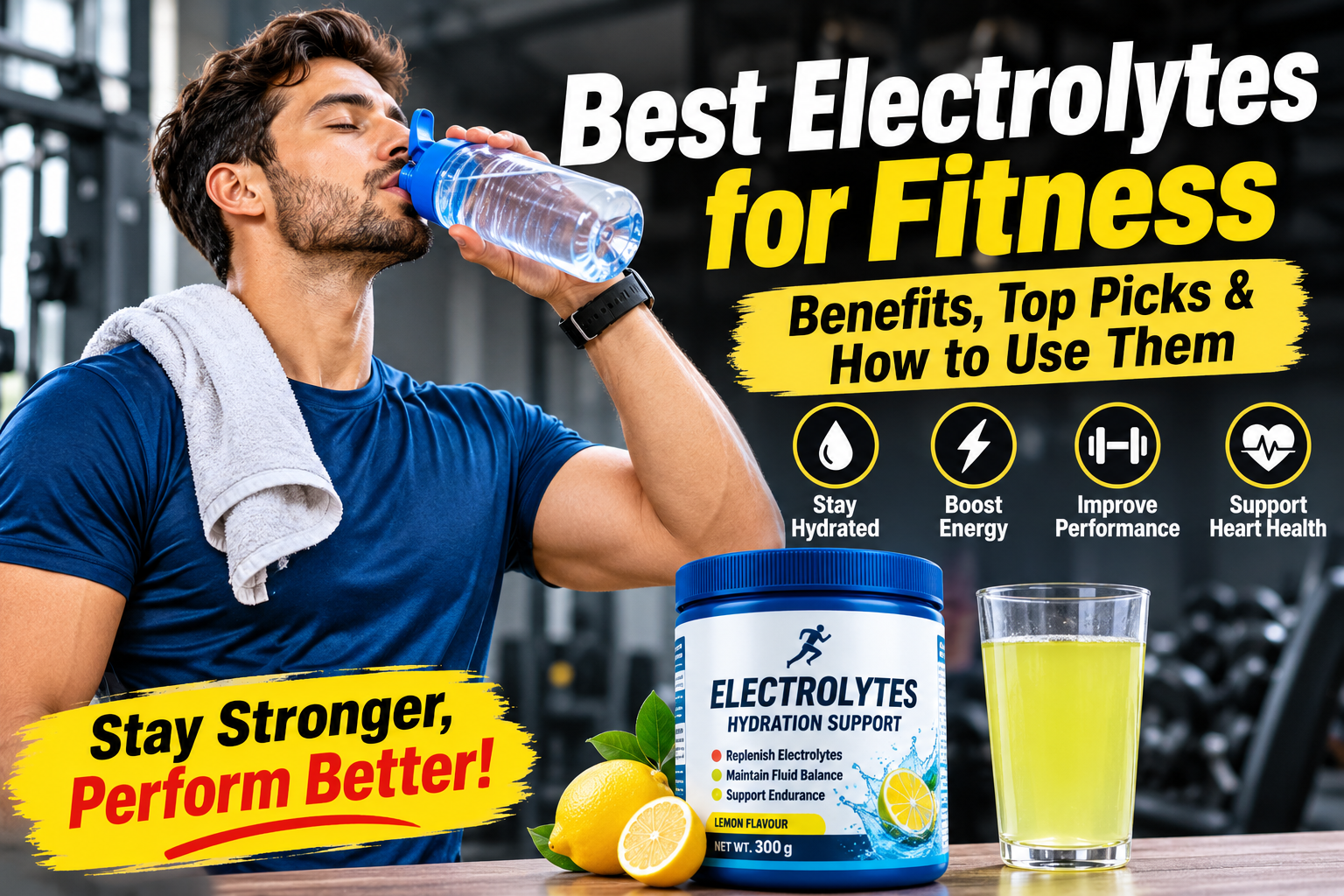
Electrolyte drinks are having a major moment in fitness and everyday wellness—but do you actually need one for every workout? Usually, no. For most short gym sessions, ordinary water and regular meals are enough. Electrolyte drinks become more useful when exercise is prolonged, sweat losses are high, or you train in hot and humid conditions.
Interest in electrolyte products has grown beyond competitive sport. A 2026 wellness trend report highlighted rising consumer interest in electrolyte supplements, while sports-nutrition coverage points to convenient powder and stick-pack formats. That makes this a timely topic, but popularity is not proof that everyone needs a supplement. Vitafoods Insights: 2026 electrolyte trend.
What are electrolytes?
Electrolytes are minerals that carry an electrical charge when dissolved in body fluids. The main ones discussed in sports hydration are sodium, potassium, chloride, magnesium and calcium. They help regulate fluid balance and support nerve signalling and muscle function.
You lose water and some electrolytes through sweat. How much depends on workout duration, intensity, temperature, humidity, clothing, and your individual sweat rate. This is why the same drink is not necessary for every person or every training session.
Do you need an electrolyte drink for every workout?
For most people doing a normal workout lasting less than about 60 minutes in comfortable conditions, water is generally enough. The American College of Sports Medicine notes that most fitness exercisers training for less than 60–90 minutes in normal weather are unlikely to become dehydrated or depleted of electrolytes. Read ACSM’s hydration and electrolyte facts.
An electrolyte drink may be worth considering when:
- You exercise continuously for a long time, especially beyond 60–90 minutes.
- You sweat heavily or have visibly salty sweat, particularly during long sessions.
- You train or work outdoors in hot, humid weather.
- You take part in endurance events, long-distance cycling, running, football tournaments or other sessions with sustained sweating.
- You need to replace fluid and sodium losses between closely spaced training sessions.
These are practical situations, not a diagnosis. Individual needs vary. Do not force large amounts of fluid; drinking far more than you lose can also be dangerous.
Water vs electrolyte drinks: which is better?
| Situation | Usually sensible starting point |
|---|---|
| Short strength workout or easy walk | Water and normal meals |
| Moderate workout in mild weather | Water; drink according to thirst and conditions |
| Long endurance session with heavy sweating | Water plus an appropriate source of electrolytes and, when needed, carbohydrate |
| Several hours of sweating in heat | Plan fluid and electrolyte replacement; take cooling breaks |
| Vomiting or diarrhoea with dehydration risk | Use medical advice; an oral rehydration solution may be more appropriate than a sports supplement |
The CDC’s NIOSH guidance says water is generally sufficient when people eat regular meals, while balanced sports drinks can be an option during prolonged sweating lasting several hours. CDC/NIOSH: Heat Stress—Hydration.
Potential benefits of electrolyte drinks
1. Replacing minerals lost in sweat
Sodium and chloride are lost in sweat, alongside water. A drink containing suitable electrolytes can help replace some of these losses during prolonged, sweaty activity. This is most relevant to long sessions and hot environments—not automatically to a brief indoor workout.
2. Supporting fluid replacement
Some people find a flavoured drink easier to consume during long exercise. A product may be convenient, but it does not replace sensible pacing, cooling, rest, or an individual hydration plan.
3. Convenience during travel or training
Single-serve sachets and tablets are portable. They can be useful when a person has a genuine need for electrolyte replacement and wants a measured format. Check the serving instructions and mix with the exact amount of water on the label.
How to choose an electrolyte powder or tablet
Do not choose a product only because its packaging says “hydration,” “energy,” or “recovery.” Compare the nutrition panel and intended use.
- Read the sodium amount: Sodium is especially relevant to sweat replacement. Compare the amount per serving rather than relying on front-label claims.
- Check sugar and carbohydrate: Some endurance sessions benefit from carbohydrate as well as fluid and electrolytes. For everyday use, added sugar may be unnecessary.
- Look at the full mineral profile: Check sodium, potassium, chloride, magnesium and calcium where listed.
- Check serving size and mixing instructions: Never assume one sachet is designed for any bottle size.
- Choose transparent labelling: Prefer clear ingredient lists, manufacturer details, batch information and credible quality testing.
- Check suitability: If you have a medical condition or take medicines that affect fluid or electrolyte balance, ask your clinician before using electrolyte supplements.
Our product example: Fast&Up Reload electrolyte hydration sticks
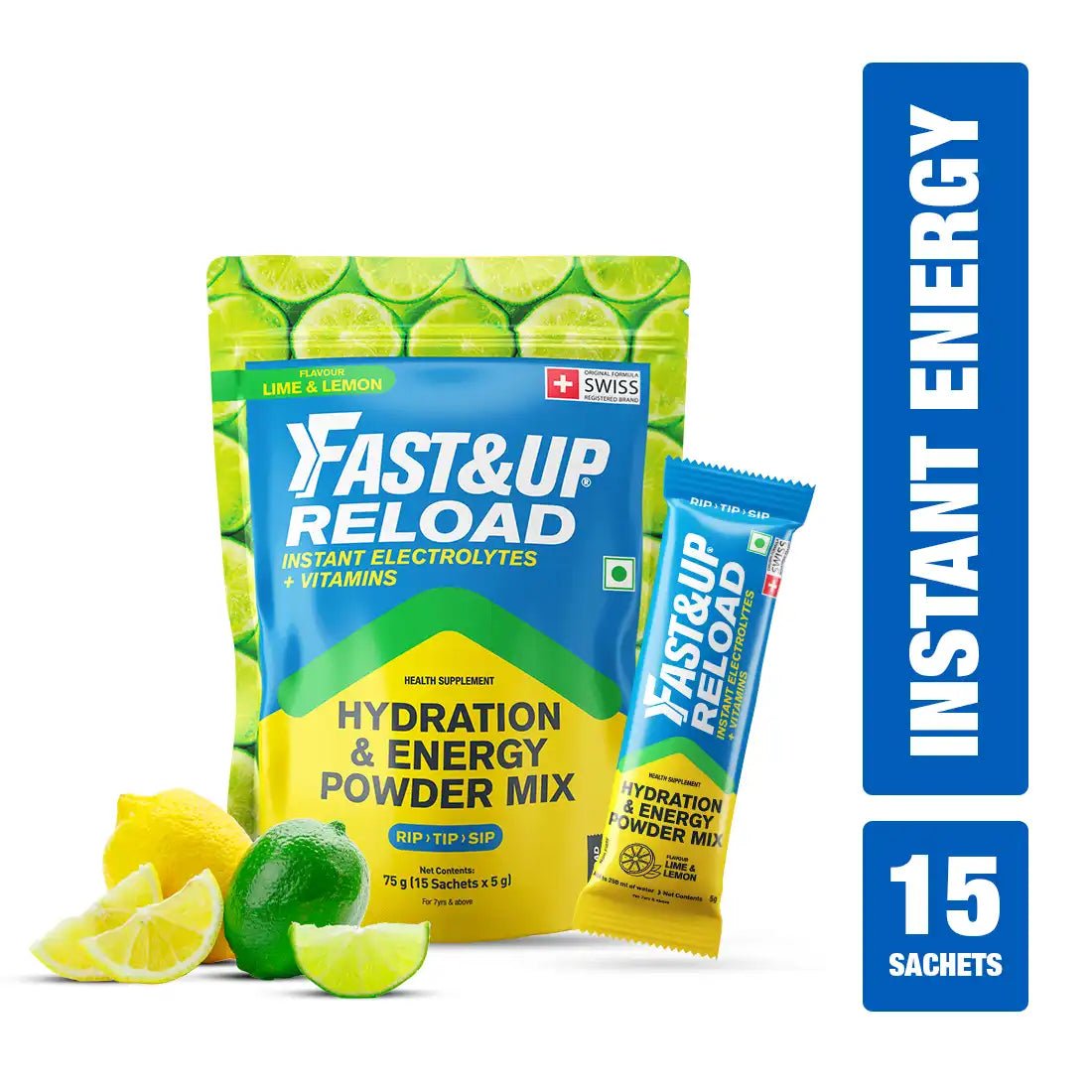
Fast&Up Reload – Lime & Lemon hydration powder mix
This is a convenient stick-pack electrolyte product to compare if you want a portable format for longer, sweat-heavy sessions. The manufacturer’s India product page lists five electrolytes and vitamins C and B12, and gives mixing instructions of one stick in 250–300 ml of water. Check the current pack label, formulation, age guidance and seller before buying; product details can change.
Check Fast&Up Reload on Amazon India
Affiliate disclosure: GHGF may earn a commission if you buy through this link, at no extra cost to you. This is an example product, not a medical recommendation or a claim that you need a supplement.
We chose this example because it is a hydration stick-pack product that matches the topic of this guide. The product’s official information is available on the Fast&Up India product page. Compare its nutrition panel with your actual training needs instead of assuming every electrolyte formula is interchangeable.
How to hydrate before, during and after exercise
Before exercise
Start your session normally hydrated. Drink water with meals and in the hours before training rather than trying to compensate by drinking a large volume at the last minute. If you are exercising in heat, plan access to water and shade or cooling.
During exercise
Adjust fluid intake to the duration, intensity, weather and your own sweat rate. For a short session, water is usually enough. For prolonged exercise with heavy sweating, a suitable sports drink or electrolyte-containing food and drink may help replace losses. Avoid rigid one-size-fits-all drinking targets.
After exercise
Drink water and eat a normal meal or snack. If you have had substantial sweat loss and need to recover quickly for another session, include fluids and sodium-containing food or an appropriate electrolyte drink. The amount needed depends on how much fluid you lost.
Who should be careful with electrolyte supplements?
People with kidney disease, heart conditions, high blood pressure, or a prescribed sodium or fluid restriction should not start electrolyte products without medical advice. Some products contain meaningful amounts of sodium, potassium or other minerals. Extra caution is also sensible if you take medicines that affect kidney function, blood pressure, or electrolyte levels.
Electrolyte sports drinks are not the same as oral rehydration solutions (ORS). If you have significant diarrhoea, vomiting, or signs of dehydration, seek appropriate medical advice and use an ORS when recommended. Severe weakness, confusion, fainting, inability to keep fluids down, or signs of heat stroke require urgent medical attention. If you feel faint or weak while exercising in heat, stop activity and move to a cool place. CDC: Heat and Athletes.
Frequently asked questions
Are electrolyte drinks better than water?
No. Water is the best starting choice for most everyday hydration and shorter workouts. Electrolyte drinks have a role when sweat and mineral losses are substantial or when a specific hydration plan calls for them.
Should I drink electrolytes before or after the gym?
For a typical short gym session, water before, during and after is usually enough. For prolonged, sweaty exercise, an electrolyte drink may be useful during or after the session depending on your losses and recovery needs.
Can I drink electrolyte powder every day?
Daily use is not automatically necessary. Most people who eat a varied diet and exercise moderately can meet their electrolyte needs through food and normal fluids. Check sodium, sugar and mineral amounts before making a product part of a daily routine.
Do electrolytes prevent muscle cramps?
Not reliably in every situation. Cramps can have several causes, including fatigue and training load. Electrolyte replacement may be relevant when substantial sweat and sodium losses occur, but it is not a guaranteed cramp-prevention treatment.
Can I use a sports electrolyte drink for diarrhoea or vomiting?
Do not assume a sports hydration powder is a substitute for ORS. Rehydration needs during illness are different; consult a healthcare professional or pharmacist about an appropriate ORS, especially for children, older adults or severe symptoms.
The bottom line
Electrolyte drinks are a useful tool in the right circumstances, not a daily requirement for everyone. For most short workouts, drink water and eat balanced meals. Consider electrolytes when training is prolonged, sweat losses are high, or conditions are hot—and choose a product by its actual nutrition label, not its marketing claims.
Medical disclaimer: This article is for general education and is not a substitute for individual medical advice. People with medical conditions, prescribed fluid or mineral restrictions, or persistent symptoms should speak with a qualified healthcare professional.
Related GHGF guides
- Creatine benefits, dosage and side effects
- How to build a fitness routine you can stick to
- Benefits of walking after eating
Sources and further reading
- American College of Sports Medicine – 9 Facts About Hydration & Electrolytes
- CDC/NIOSH – Heat Stress: Hydration
- CDC – Heat and Athletes
- Vitafoods Insights – Consumer thirst for optimising daily hydration (2026)
- Fast&Up India – Reload product information