



Creatine is one of the most researched sports supplements—but does it actually help, how much should you take, and what side effects should you know about? The short answer: creatine monohydrate can improve performance during repeated, short bursts of high-intensity exercise and support strength-training gains. It is not a shortcut to muscle growth, and it is not necessary for everyone.
This guide explains what creatine does, the benefits supported by research, common dosing approaches, possible side effects, and how to choose a straightforward product. It is written for generally healthy adults; people with medical conditions or taking medication should get individual advice before using a supplement.
What is creatine and what does it do?
Creatine is a compound your body makes from amino acids and stores mainly in skeletal muscle. You also get small amounts from foods such as meat and fish. Inside muscle cells, creatine helps replenish adenosine triphosphate (ATP), the energy currency used during brief, demanding efforts such as a heavy set of squats, a sprint, or repeated jumps.
A creatine supplement increases the amount stored in muscle. That extra reserve can help you repeat high-intensity efforts or maintain training quality across sets. It does not directly build muscle without the training stimulus, adequate food, and recovery that make adaptation possible.
Creatine benefits: what does the evidence support?
1. Better performance during high-intensity exercise
The strongest evidence is for activities involving short, repeated bursts of effort—such as resistance training, sprint intervals, and some team sports. Creatine can help muscles rapidly restore ATP between efforts, which may allow a little more work to be completed during a session. The International Society of Sports Nutrition position stand identifies creatine monohydrate as an effective supplement for improving high-intensity exercise capacity and training adaptations.
2. Support for strength and lean-mass gains with training
When combined with a consistent resistance-training programme, creatine may help people gain strength and lean body mass over time. The supplement is not a substitute for progressive training, sufficient protein, total calorie needs, or sleep. Think of it as a possible support for productive training—not as a muscle-building ingredient that works on its own.
3. A practical option for people who train regularly
Creatine monohydrate is inexpensive compared with many specialised supplement blends, is available in an unflavoured powder, and has a large body of research behind it. People who eat little or no meat may have lower dietary creatine intake, although individual responses vary and this does not mean everyone following a vegetarian diet needs a supplement.
What creatine has not been proven to do
Creatine is not a fat burner, does not replace a balanced diet, and is not proven to produce the same benefit for every sport. It is generally less useful for continuous, steady-state endurance activity than for repeated high-intensity efforts. Claims that it guarantees rapid muscle growth, treats disease, or works equally well for everyone go beyond the evidence.
How much creatine should you take?
For healthy adults who choose to use it, a common maintenance approach is 3–5 grams of creatine monohydrate per day. Consistency matters more than taking it at a particular minute around your workout.
| Approach | Common research protocol | What to know |
|---|---|---|
| Without loading | 3–5 g once daily | Muscle stores rise gradually over several weeks. |
| With loading | About 20 g daily, split into four 5 g servings, for 5–7 days; then 3–5 g daily | Can raise muscle stores faster, but is optional and may increase stomach discomfort. |
The NIH Office of Dietary Supplements describes both approaches in its exercise and athletic performance fact sheet. A loading phase is not required. If you prefer a simpler routine, a consistent daily maintenance dose is a reasonable approach for healthy adults.
Follow the serving information on the product label and use a gram scale or a clearly measured scoop rather than guessing. Do not take more in the belief that a larger amount will produce faster or better results.
When should you take creatine?
There is no well-established requirement to take creatine before or immediately after a workout. Choose a time you can remember—such as with breakfast or after training—and take it consistently. On rest days, keep the same daily routine if you are following a supplementation plan.
Creatine monohydrate powder can be mixed into water or another drink. It can also be taken with a meal. If a full serving upsets your stomach, consider taking it with food or splitting the amount; persistent symptoms are a reason to stop and seek advice.
Creatine side effects: what should you watch for?
In healthy adults, creatine monohydrate is generally well tolerated when used in commonly studied amounts. Possible effects include:
- Scale-weight increase: Muscle water storage can increase body weight, particularly when using a loading phase. This is not the same as gaining body fat.
- Digestive discomfort: Some people report nausea, bloating, or diarrhoea, especially with large single doses.
- Individual variation: People do not all respond identically, and some notice little obvious change.
Research has not established that recommended creatine use causes hair loss. If you are concerned about hair changes, discuss your personal risk factors with a healthcare professional rather than relying on supplement marketing or social-media claims.
Does creatine damage your kidneys?
This question deserves a careful answer. In healthy adults, studies using recommended amounts have generally not found evidence of kidney damage. However, creatine can raise blood creatinine, a marker commonly used in kidney-function tests. That change can complicate interpretation of a result and should not automatically be treated as proof of kidney injury—or ignored.
If you have kidney disease, a history of abnormal kidney tests, diabetes or high blood pressure that affects your kidney risk, are pregnant or breastfeeding, or take medicines that may affect kidney function, speak with your clinician before using creatine. Tell your clinician and laboratory team that you use creatine before blood or urine testing. Do not start a supplement to treat a medical condition.
Affiliate disclosure: This section contains an Amazon affiliate link. If you buy through it, GHGF may earn a commission at no extra cost to you.
Our creatine monohydrate pick: Optimum Nutrition Micronized Creatine
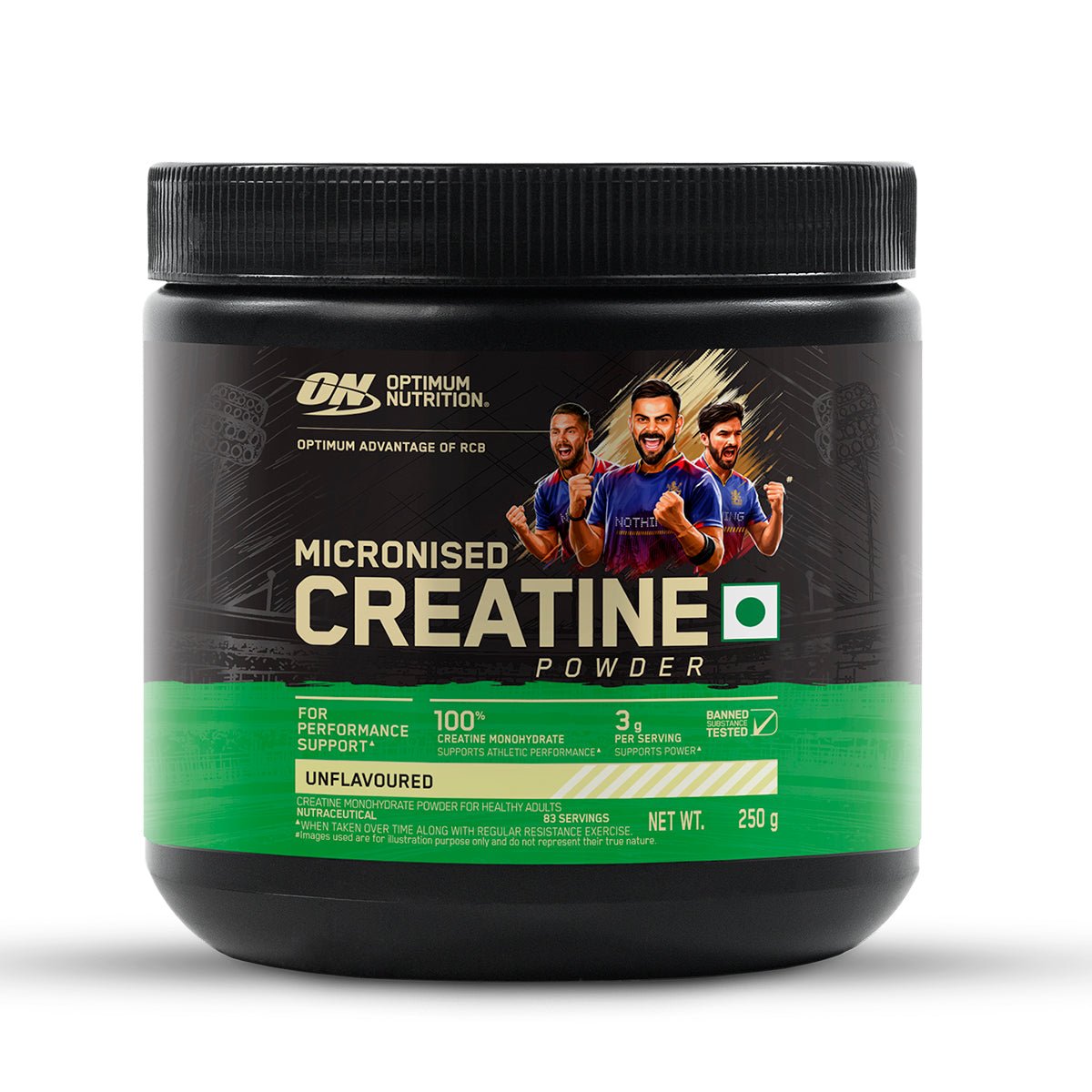

A straightforward unflavoured creatine monohydrate powder. The Amazon India listing describes a 250 g pack with 3 g of creatine monohydrate per serving and Informed Choice testing. Check the current label, seller, batch details and suitability before purchasing; listing details and availability can change.
Check Optimum Nutrition Creatine on Amazon India
We selected this because it is a plain creatine monohydrate product, matching the form discussed in this guide. This is an example product, not a medical recommendation or a guarantee of results.
How to choose a creatine supplement
If you decide to buy creatine, keep the decision simple. Look for:
- Creatine monohydrate as the only active ingredient: It is the most extensively studied form. More expensive forms have not been shown to be consistently superior.
- A clear ingredient and serving label: Check how many grams of creatine monohydrate are in each serving, not just the scoop weight.
- Independent quality testing where available: Prefer brands that provide credible third-party testing or batch-level quality information.
- A sealed pack and traceable seller: Buy from the brand or an authorised retailer, check the batch and expiry details, and avoid products making disease-treatment claims.
- No unnecessary proprietary blend: A plain, unflavoured product makes it easier to know what you are taking.
For most people considering this supplement, plain creatine monohydrate is the sensible starting point. There is no need to pay extra for dramatic promises, flashy packaging, or a complicated formula.
Creatine and protein powder: are they the same?
No. Protein powder supplies dietary protein, which provides amino acids used to build and repair body tissues. Creatine supports rapid energy recycling during short, intense efforts. They serve different roles and are not interchangeable. If you are comparing protein supplements, see our existing guide to protein powder. You can also read our practical guide to building a fitness routine you can stick to.
Frequently asked questions about creatine
How long does creatine take to work?
With a daily maintenance dose and no loading phase, muscle creatine stores rise gradually over several weeks. A loading protocol increases stores more quickly, but it is optional. Changes in gym performance depend on your training, diet, sleep, and individual response.
Will creatine make me gain weight?
It can increase scale weight because more water is stored in muscle, particularly early in use or after loading. This is not the same as gaining body fat. Track progress using more than the scale, such as training performance and how your clothes fit.
Do I need to cycle creatine?
There is no established requirement to cycle creatine for healthy adults using commonly studied doses. If you have a medical condition, side effects, or concerns about long-term use, discuss your situation with a healthcare professional.
Can beginners take creatine?
Creatine is not a substitute for learning safe exercise technique and building a consistent training habit. Adults who are new to exercise may want to establish those basics first and discuss supplements with a qualified healthcare professional or sports dietitian.
Is creatine suitable for teenagers?
This article is intended for adults. Children and teenagers should not start sports supplements based on online advice; a parent or guardian should discuss nutrition and training needs with a qualified healthcare professional.
The bottom line
Creatine monohydrate is one of the better-studied sports supplements for supporting repeated high-intensity exercise and strength-training adaptations. For healthy adults who choose to use it, 3–5 g per day is a common maintenance approach; loading is optional. Expect possible water-related weight gain, choose a clearly labelled product, and seek medical advice first if you have a health condition or take medication.
The fundamentals still matter most: train consistently, eat enough to support your goals, include adequate protein, hydrate normally, and get enough sleep. A supplement can support a sound routine, but it cannot replace one.
Sources and further reading
- U.S. National Institutes of Health, Office of Dietary Supplements: Dietary Supplements for Exercise and Athletic Performance.
- Mayo Clinic: Creatine.
- International Society of Sports Nutrition position stand: Safety and efficacy of creatine supplementation in exercise, sport, and medicine.
- University of Rochester Medical Center: Creatine for Beginners—Should You Take It?.
Medical information notice: This article is for general education and is not individual medical advice, diagnosis, or treatment. It has not been reviewed by a named physician or registered dietitian. Consult a qualified healthcare professional about your personal circumstances before starting a supplement.