Great Health Great Fitness

Fix Your Sleep Schedule: 7 Habits and a Simple 7-Day Reset Plan
Build a steadier sleep routine with seven practical habits, a gradual seven-day plan, shift-work tips, and guidance on when to seek help.
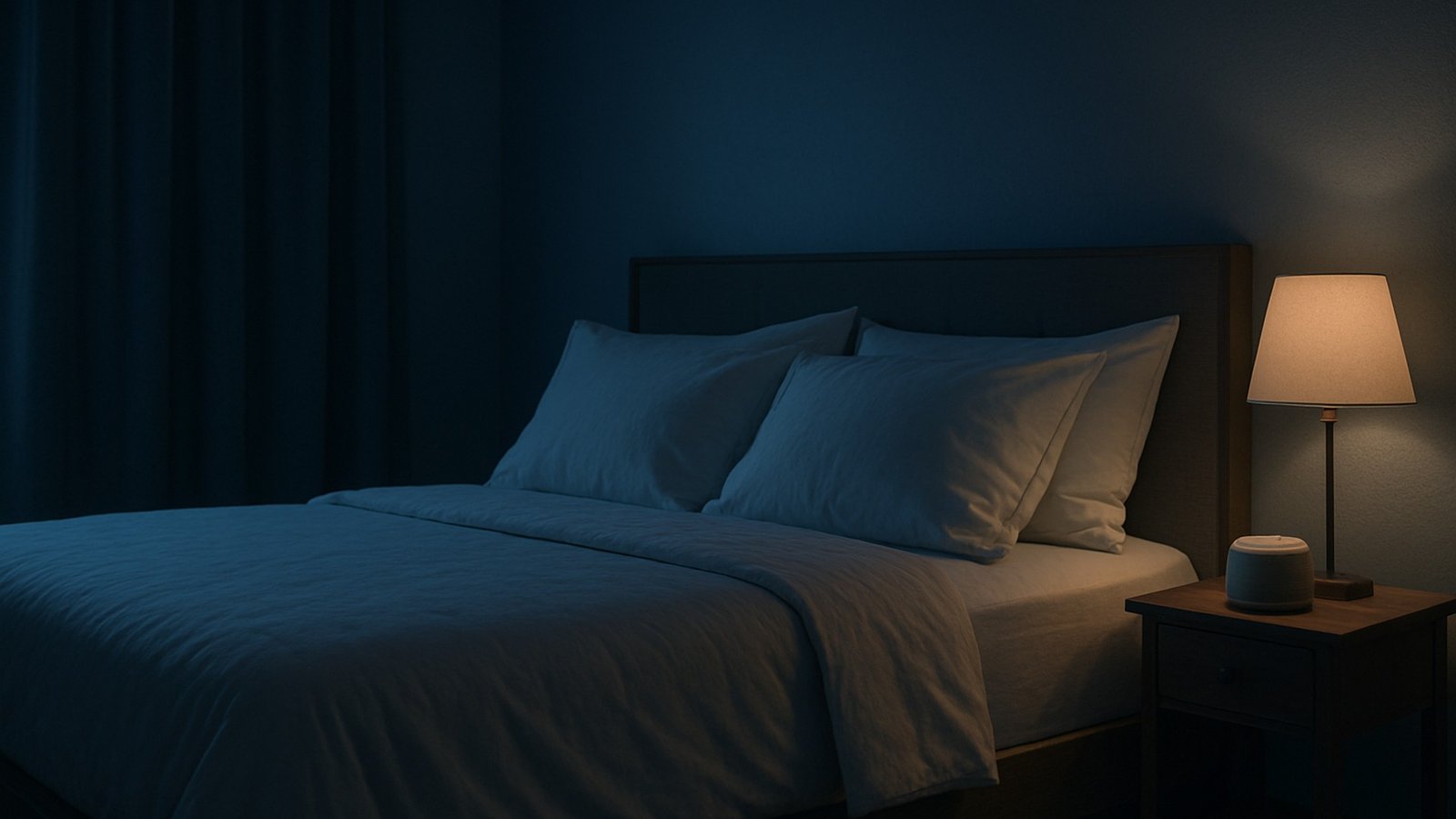
You set an alarm, promise yourself an early night, and then find yourself wide awake when bedtime arrives. The next morning feels rushed, so you reach for coffee and tell yourself you will fix your routine tomorrow. If this sounds familiar, you are not alone. A more consistent sleep schedule is usually built through small, repeatable cues rather than one perfect bedtime or an expensive gadget.
THE QUICK ANSWER
Choose a wake-up time you can maintain most days, allow enough time for sleep, get daylight during the morning, and create a calm wind-down routine. Shift a very late or early schedule gradually instead of forcing a dramatic overnight change. If sleep problems continue or affect daily life, speak with a healthcare professional.
This guide explains seven practical habits, a sample seven-day adjustment plan, and ways to handle evenings when you cannot fall asleep. It also covers caffeine, naps, shift work, and bedroom conditions. The goal is to help you create a routine that works with real responsibilities, including family care, study, commuting, and changing work hours.
Why a consistent sleep schedule can help
Your sleep-wake cycle is influenced by your circadian rhythm, an internal timing system that responds to light, darkness, activity, and daily routines. When wake-up time changes dramatically from one day to the next, it can become harder to feel sleepy at the time you want. Regular cues help your body anticipate when the day begins and when it is time to wind down.
The CDC says adults aged 18 to 60 should get at least seven hours of sleep each night. Individual needs vary, and sleep quality matters as well as time in bed. A person who spends eight hours in bed but wakes repeatedly may not feel refreshed. If you regularly feel sleepy during the day despite allowing enough time for sleep, consider discussing it with a healthcare professional rather than assuming you simply need stronger willpower.
A consistent schedule does not mean every person should go to bed at 10 p.m. Someone who works evening shifts, cares for a family member overnight, or starts work before sunrise may need a different sleep window. The useful target is a repeatable routine that allows enough sleep around the responsibilities you cannot change.
7 practical habits for a steadier sleep routine
1. Start by choosing a realistic wake-up time
Choose a time that fits your work, school, travel, and family responsibilities. If you currently wake at 9 a.m. but need to be up at 7 a.m., do not expect a sudden two-hour shift to feel effortless. Move your wake time earlier in small steps and keep it reasonably steady across the week. A consistent wake time gives you a useful anchor for planning meals, daylight, activity, and bedtime.
For example, if you need to leave home at 8 a.m., work backwards from the time needed to get ready. Set an alarm that gives you enough time without creating an unnecessarily early start. If weekends are flexible, try not to shift your wake time by several hours. A modest variation may be more realistic than demanding identical timing every day.
2. Give yourself enough time for sleep
Once you have a wake-up time, work backwards to create a sleep opportunity that meets your needs. Adults aged 18 to 60 generally need at least seven hours, and some need more. If you must wake at 6:30 a.m., going to bed at 1:00 a.m. will not provide enough opportunity for most adults. Build a bedtime window that allows you to wind down and get into bed without rushing.
If your current bedtime is much later, move it gradually. You might begin by turning lights down and starting your wind-down routine 15 minutes earlier for several nights, then adjust again. Do not spend hours in bed trying to force sleep before you feel sleepy. Consistency and adequate opportunity matter more than treating a particular clock time as a magic number.
3. Get daylight during the morning
Natural light after waking helps reinforce your body’s day-night timing. If possible, spend some time outdoors during the morning, perhaps while walking, having breakfast near a bright window, or travelling to work. Even on a cloudy day, outdoor light is often brighter than typical indoor lighting. If you work nights or sleep during daylight hours, the timing of light exposure may need to be adapted to your shift pattern.
Make the habit easy. Put a short walk after breakfast on your calendar, open the curtains when you get up, or step outside while taking a phone call. You do not need a complicated light routine to begin. If you have an eye condition or have been advised to manage light exposure for a medical reason, follow your clinician’s guidance.
4. Create a short wind-down routine
A wind-down routine gives you a transition between the demands of the day and sleep. Choose two or three quiet activities that you can repeat for 30 to 60 minutes. You might shower, prepare clothes for tomorrow, write a short to-do list, read a paper book, stretch gently, or listen to calm music. The routine does not need to be elaborate. A simple sequence that you can maintain is more useful than a perfect routine that becomes another source of pressure.
If unfinished tasks keep your mind busy, spend five minutes writing down what needs attention tomorrow. Put the list away rather than trying to solve every problem in bed. If you share a home, let family members know that you are trying to protect a short quiet period before sleep. Small environmental changes can make the routine easier to repeat.
5. Make your bedroom comfortable, dark, and quiet
Reduce bright light where possible, manage noise, and keep the room at a comfortable temperature. Blackout curtains may help if streetlights or early sunrise enter the room. Earplugs or a fan may help some people manage background noise, provided they are safe and comfortable for their situation. Keep the bed and bedding comfortable, and avoid using the bedroom as a place for stressful work if you have another option.
If you cannot change the room itself, focus on the factors you can control. Put a phone charger away from the bed, use a dim lamp in the evening, or keep a sleep mask beside your pillow. These are environmental aids, not treatments for insomnia. Persistent sleep difficulty deserves more than another purchase.
6. Pay attention to caffeine, alcohol, and late meals
Caffeine can affect sleep for hours, and sensitivity varies. If you struggle to fall asleep, try moving coffee, energy drinks, cola, and caffeinated tea earlier in the day. Notice whether an afternoon cup changes your sleep. Alcohol can make you feel sleepy at first but may fragment sleep later in the night. Large or spicy meals close to bedtime can cause discomfort for some people, although going to bed hungry can also be distracting.
Instead of changing everything at once, test one habit for a week. For example, move your last caffeinated drink earlier and keep the rest of your routine stable. Notice whether falling asleep or staying asleep becomes easier. If you use medication or have a medical condition that affects sleep, ask your healthcare professional before making changes that could affect your treatment.
7. Keep naps and evening activity in perspective
Physical activity supports general health and can support better sleep, but intense exercise immediately before bed may feel stimulating for some people. If you can, schedule demanding workouts earlier. Gentle stretching or an easy walk may be more comfortable in the evening. The right timing depends on your response, so pay attention to how you feel rather than following a rigid rule.
Naps can be useful when you are very tired, especially for people with unusual work schedules. However, long or late naps may make it harder to feel sleepy at bedtime. If you notice this pattern, try a shorter nap earlier in the day or skip it when practical. Shift workers may need a planned nap as part of a broader sleep strategy, so a generic rule does not fit everyone.
A SMALL CHANGE CAN BE ENOUGH
If your sleep routine feels chaotic, start with one anchor: a reasonably steady wake-up time. Add morning daylight or a short wind-down habit after that becomes easier. You do not need to overhaul your whole evening in one night.
A seven-day plan to adjust your sleep schedule gradually
Use this as a gentle framework rather than a clinical programme. If you need to move your sleep schedule earlier, make small adjustments and repeat a step for longer if needed. If you work shifts, have a sleep disorder, or have been given individual advice, adapt the plan with a qualified professional.
| Day | One practical action | What to notice |
|---|---|---|
| 1 | Choose a realistic wake-up time | Can you maintain it most days? |
| 2 | Get daylight after waking | Does a short outdoor period fit? |
| 3 | Set a reminder to begin winding down | Which quiet activity feels calming? |
| 4 | Move caffeine earlier if needed | Does it affect sleep onset? |
| 5 | Make the bedroom darker and quieter | Which change is practical? |
| 6 | Review naps and evening activity | Do they affect bedtime? |
| 7 | Review what worked and repeat it | Choose one habit to continue |
Keep a simple sleep diary for a week if you find it helpful. Note your approximate bedtime, wake time, naps, caffeine timing, and how alert you feel during the day. Do not turn the diary into a scorecard. Its purpose is to help you spot patterns you can discuss with a healthcare professional if needed.
What if you work late shifts or have changing hours?
A conventional 10 p.m. bedtime is not realistic for everyone. If you work late or overnight, choose a main sleep period that fits your shift and protect it as consistently as possible. Tell people at home when you need quiet, use curtains or a sleep mask to reduce daylight, and limit unnecessary interruptions. If your shift changes frequently, ask an occupational health professional or clinician for advice tailored to your schedule.
For example, someone finishing a night shift at 7 a.m. may need to travel home, eat lightly, and sleep during the morning. Their routine will look different from someone who works standard daytime hours. The important point is to protect sufficient sleep opportunity and manage light, noise, and responsibilities as realistically as possible. Do not drive if you are dangerously sleepy.
What to do when you cannot fall asleep
Try not to turn sleep into a test you must pass. Repeatedly checking the clock, calculating how many hours remain, and worrying about tomorrow can increase frustration. If you are awake and becoming tense, get out of bed and do something quiet in dim light until you feel sleepy, then return to bed. Choose a calm activity such as reading a paper book or listening to quiet audio. Avoid bright screens and demanding tasks if they make you more alert.
For ongoing insomnia, cognitive behavioural therapy for insomnia, often called CBT-I, is a recommended treatment approach. The National Heart, Lung, and Blood Institute explains options in its insomnia treatment guidance. Talk with a healthcare professional if sleep difficulty continues, affects daily functioning, or occurs with loud snoring, gasping, breathing pauses, or significant daytime sleepiness.
WHEN TO SEEK PROFESSIONAL HELP
Get medical advice if sleep problems persist, interfere with work or daily life, or come with loud snoring, gasping, pauses in breathing, or severe daytime sleepiness. A sleep accessory cannot diagnose or treat an underlying sleep disorder.
Can a sleep mask help make a room darker?
A comfortable sleep mask may help when light from streetlamps, early sunrise, travel, or a shared room cannot easily be controlled. It is an optional environmental aid. It does not reset your body clock by itself, cure insomnia, or replace enough time for sleep. Choose a fit that does not press uncomfortably on your eyes, follow care instructions, and do not wear it during activities that require vision.
Optional accessory: SmartRest contoured sleep mask, 2-pack
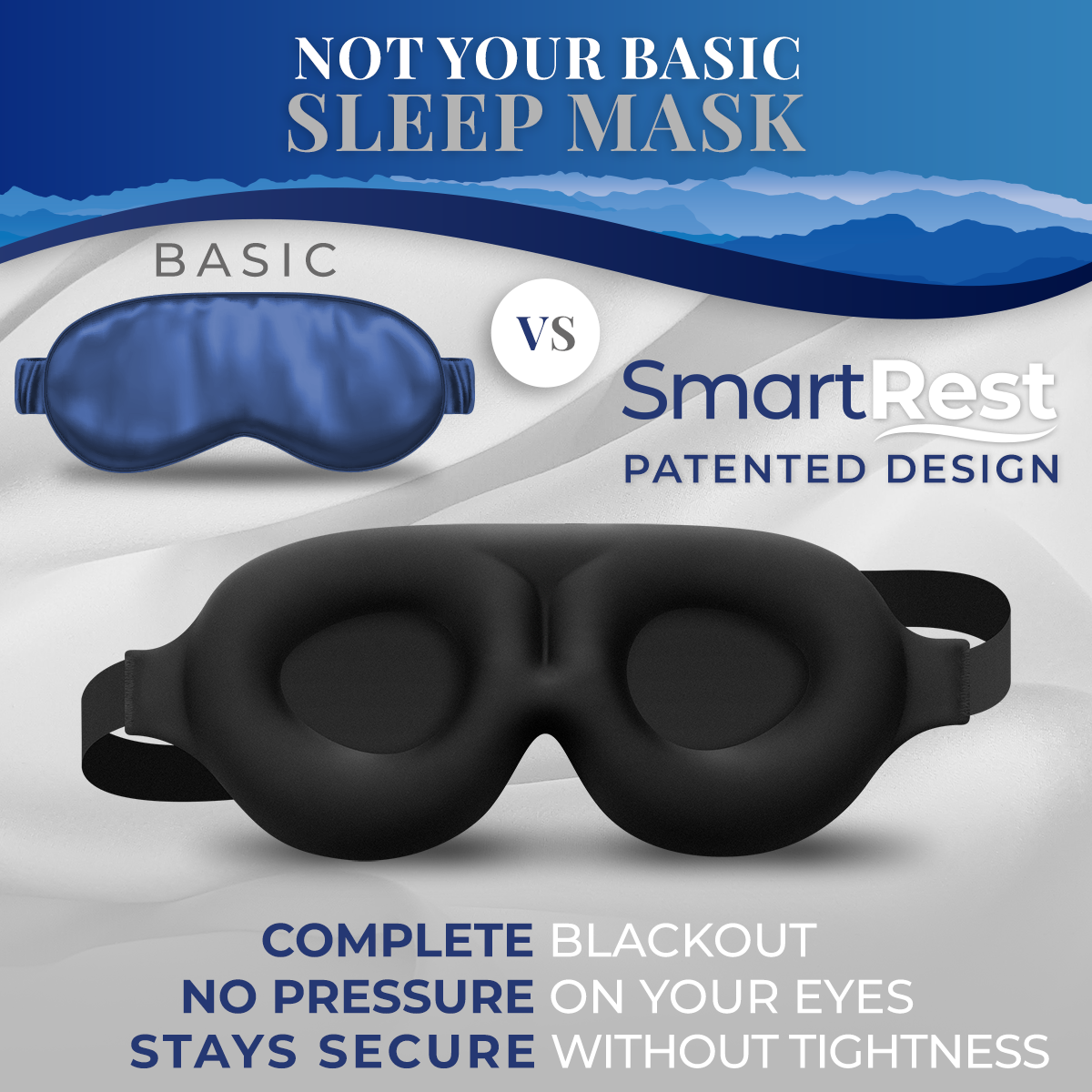
The SmartRest listing describes a two-pack contoured memory-foam sleep mask with adjustable straps and shaped eye pockets. It may be worth comparing if you cannot darken your bedroom easily or need a mask for travel. Comfort is personal, so check the current listing, care instructions, and return policy before buying. The mask is an accessory for reducing light, not a treatment for a sleep disorder.
View the SmartRest sleep mask on Amazon
Affiliate disclosure: GHGF may earn a commission from qualifying purchases through this link, at no extra cost to you. Product details, price, and availability can change.
Before buying anything, try the free changes first: dim lights, move your phone away from the bed, use curtains you already own, and set a reminder to start winding down. If light is still a problem, compare a mask with other options for your room. A purchase should solve a specific inconvenience, not create the expectation that a product will fix persistent insomnia.
Check current SmartRest mask details
Common sleep routine mistakes to avoid
- Changing wake-up time by several hours on days off: Large shifts can make it harder to return to your weekday routine.
- Trying to change everything at once: Start with one anchor habit and add another when it feels manageable.
- Using alcohol as a sleep aid: It may make you feel sleepy but can disrupt sleep later in the night.
- Expecting a gadget to solve insomnia: Accessories may improve comfort, but persistent insomnia needs appropriate assessment and care.
- Ignoring daytime symptoms: Severe sleepiness, gasping, or loud snoring deserve professional attention.
- Going to bed very early just to force sleep: Allow enough time for sleep, but avoid turning bedtime into a long, stressful wait.
Frequently asked questions
What is the best time to go to bed?
There is no single bedtime for everyone. Choose a sleep window that allows enough rest before your required wake-up time and keep it reasonably consistent. Your work schedule, age, health, and individual sleep needs all matter.
How many hours of sleep do adults need?
The CDC recommends at least seven hours for adults aged 18 to 60. Some people need more, and needs change with age and individual circumstances. If you regularly feel unrefreshed despite enough time in bed, seek advice.
Does a sleep mask improve sleep?
A mask can reduce unwanted light for some people and make the sleep environment more comfortable. It does not treat insomnia or replace a suitable sleep schedule.
Should I stop using my phone before bed?
Bright screens and stimulating content can make it harder for some people to wind down. Try putting the phone away 30 to 60 minutes before bed if you notice it keeps you alert. If you need it for an alarm, place it out of reach and use a quiet setting.
When should I seek help for sleep problems?
Speak with a healthcare professional if sleep problems persist, affect daytime functioning, or occur with loud snoring, gasping, breathing pauses, or severe sleepiness. Do not self-diagnose a sleep disorder from symptoms alone.
Build a routine that fits your real life
Choose one wake-up time you can maintain, get daylight when practical, and create a short wind-down routine. Give each change time to become familiar before adding another. If you work shifts or have family responsibilities, build the routine around the sleep window you can protect rather than copying someone else’s schedule.
If light is the main obstacle, a sleep mask may be a useful optional accessory. If the problem is persistent insomnia, loud snoring, or daytime sleepiness, professional advice is more important than another product. Your sleep routine should support your health and daily life, not become another source of pressure.
See the optional sleep mask on Amazon
Affiliate disclosure: GHGF may earn a commission from qualifying purchases through the Amazon link above, at no extra cost to you. Always review the current listing and suitability before purchasing.
Sources and further reading
- CDC: About Sleep
- National Heart, Lung, and Blood Institute: Insomnia Treatment
- National Heart, Lung, and Blood Institute: Healthy Sleep Habits
Health information notice: This article is for general education and is not a substitute for individual medical advice.