



Affiliate disclosure: Great Health Great Fitness may earn a commission from qualifying purchases made through links in this article, at no extra cost to you.
Waking up tired even when you went to bed early can be frustrating. One useful place to start is not a complicated supplement or an expensive gadget, but a more consistent sleep routine. Your body uses regular light exposure, activity, and sleep timing as cues for its internal clock. A steady schedule can make it easier to feel sleepy at night and alert during the day.
Choose a wake-up time you can keep most days, allow enough time for sleep, get daylight soon after waking, reduce bright light before bed, and repeat a calming 30 to 60 minute wind-down routine. Adults generally need at least 7 hours of sleep. If sleep problems persist, ask a healthcare professional rather than relying on sleep products alone.
Why a consistent sleep schedule matters
Your sleep-wake cycle is influenced by your circadian rhythm, a roughly 24-hour timing system that responds to light, darkness, activity, and daily habits. When bedtime and wake-up time change substantially from day to day, it can become harder to feel sleepy at the time you want.
The CDC recommends that adults aged 18 to 60 get at least 7 hours of sleep each night. Sleep needs vary with age and individual circumstances. Quality matters too: refreshing, uninterrupted sleep is more helpful than simply spending a long time in bed. See the CDC guidance on sleep duration and healthy habits.
7 practical ways to build a better sleep routine
1. Start with a regular wake-up time
Pick a wake-up time that fits your work, family, and daily responsibilities. Keep it as consistent as practical, including weekends. If your current schedule is very different, shift it gradually instead of trying to change everything overnight.
2. Give yourself enough time for sleep
Work backward from your wake-up time and set a bedtime that allows at least 7 hours of sleep opportunity. You may need more. Do not treat seven hours as a strict target for every person or as a substitute for noticing how rested you feel.
3. Get natural light during the morning
Spend some time outdoors after waking, if possible. Daylight helps reinforce the body’s day-night timing. Even on a cloudy day, outdoor light is generally brighter than typical indoor lighting. If outdoor time is difficult, spend time in a bright area during the day.
4. Create a short wind-down routine
Set aside 30 to 60 minutes before bed for quiet activities. You might shower, prepare clothes for tomorrow, read a paper book, stretch gently, listen to calm music, or write down tomorrow’s tasks. Choose a routine that feels realistic rather than perfect.
5. Make the bedroom dark, quiet, and comfortable
Reduce light from screens, lamps, and outside sources. Keep the room comfortably cool and limit noise where possible. Blackout curtains, an eye mask, or earplugs may help if the environment cannot be changed, but they are optional tools, not treatments for insomnia.
6. Watch caffeine, alcohol, and late meals
Caffeine can affect sleep for hours, so consider moving coffee, energy drinks, and caffeinated tea earlier in the day if you have trouble falling asleep. Alcohol may make you feel sleepy at first but can fragment sleep later in the night. Large meals close to bedtime may also cause discomfort for some people.
7. Keep naps and evening activity in perspective
Regular physical activity supports general health and can support sleep, but intense exercise immediately before bed may feel stimulating for some people. If naps make it harder to sleep at night, keep them earlier and shorter, or skip them. Individual responses vary.
A simple evening routine you can try
- 60 minutes before bed: Finish demanding tasks and dim bright lights.
- 45 minutes before bed: Put away work and reduce phone or computer use.
- 30 minutes before bed: Wash up, prepare for tomorrow, and choose a quiet activity.
- At bedtime: Go to bed when sleepy and keep the room dark, quiet, and comfortable.
Use this as a starting point, not a rigid rule. If your schedule includes shift work, caregiving, or variable hours, consistency within your available sleep window may be more realistic than a conventional bedtime.
What if you cannot fall asleep?
Try not to turn bedtime into a test you must pass. If you are lying awake and becoming frustrated, get out of bed and do something quiet in dim light until you feel sleepy, then return to bed. Avoid repeatedly checking the clock.
For ongoing insomnia, cognitive behavioral therapy for insomnia (CBT-I) is a recommended treatment approach. The National Heart, Lung, and Blood Institute explains healthy sleep habits and CBT-I in its insomnia treatment guidance. Talk with a healthcare professional if sleep difficulties continue, affect daily life, or occur alongside loud snoring, gasping, or significant daytime sleepiness.
A simple sleep accessory to consider
SmartRest Contoured Sleep Mask, 2-Pack
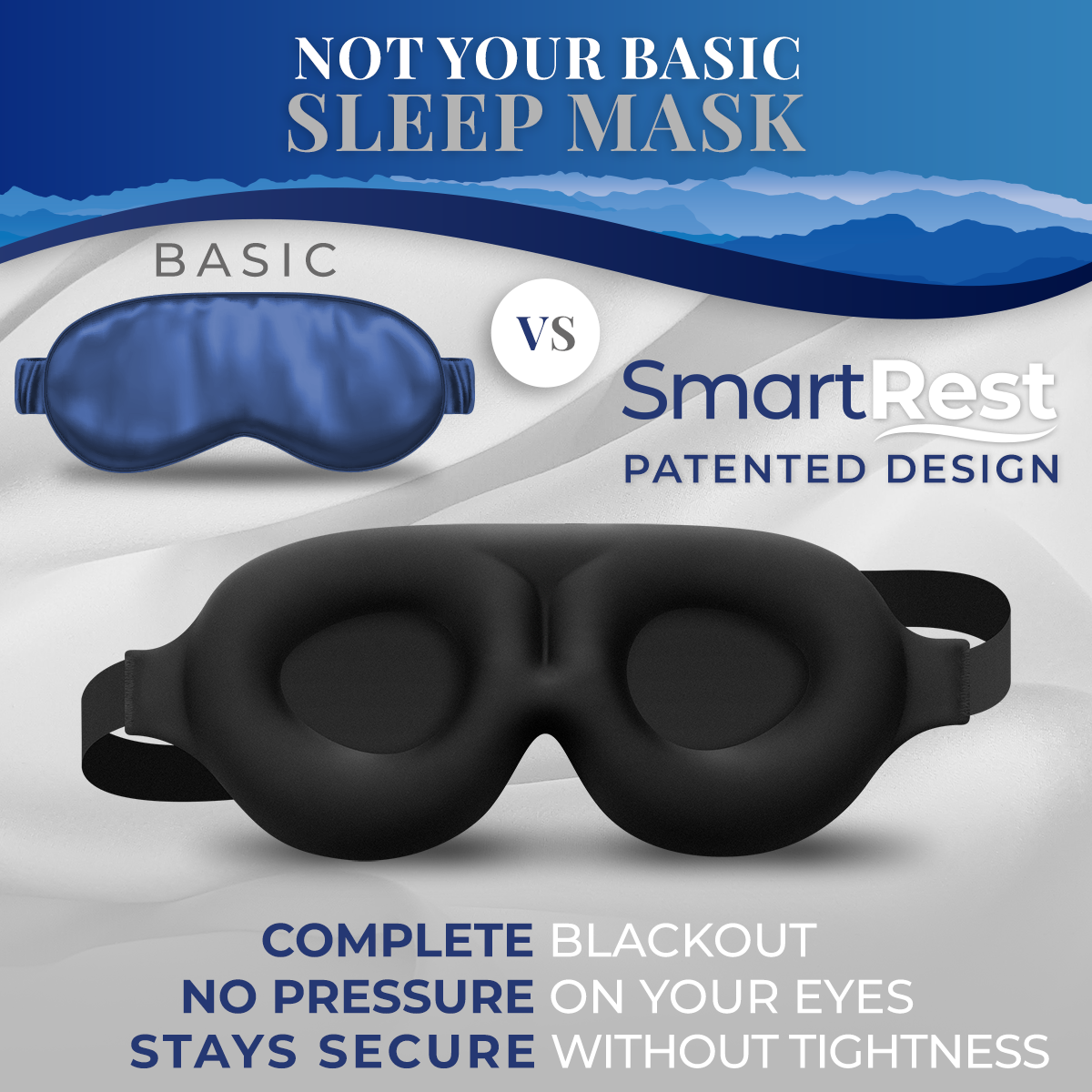

A light-blocking option for brighter bedrooms
This two-pack SmartRest mask uses a contoured memory-foam design with adjustable straps and shaped eye pockets. A sleep mask may be useful when streetlights, early sunrise, or other unavoidable light makes a room difficult to darken. Comfort and fit vary, so check the current listing and make sure the mask does not press uncomfortably on your eyes. It is an accessory for reducing light exposure, not a treatment for a sleep disorder.
View the SmartRest Sleep Mask on Amazon
Affiliate disclosure: GHGF may earn a commission from qualifying purchases made through this Amazon link, at no extra cost to you. Check the listing for current price, availability, and care instructions.
Common sleep routine mistakes
- Changing bedtime dramatically on weekends: Large shifts can make Monday mornings harder. Keep timing reasonably steady when possible.
- Trying too many changes at once: Start with a consistent wake time and one wind-down habit, then build from there.
- Using alcohol as a sleep aid: It can disrupt sleep later in the night.
- Expecting a mask or gadget to solve insomnia: Accessories may improve comfort or the environment, but persistent insomnia needs an evidence-based assessment and treatment.
- Ignoring symptoms: Loud snoring, pauses in breathing, gasping, or severe daytime sleepiness deserve medical attention.
Frequently asked questions
What is the best time to go to bed?
There is no single bedtime that suits everyone. Choose a schedule that allows enough sleep before your required wake-up time and keep it as consistent as practical.
How many hours of sleep do adults need?
Most adults aged 18 to 60 should get at least 7 hours per night. Some people need more. Sleep needs change with age and individual health circumstances.
Does using a sleep mask improve sleep?
A sleep mask can reduce unwanted light for some people, which may make the bedroom more comfortable. It does not treat insomnia or replace a consistent schedule and healthy sleep habits.
Should I use my phone before bed?
Bright screens and stimulating content can make it harder for some people to wind down. Try putting devices away at least 30 minutes before bed and choose a quiet alternative.
When should I seek help for sleep problems?
Speak with a healthcare professional if sleep problems persist, interfere with daytime functioning, or come with loud snoring, gasping, breathing pauses, or severe sleepiness. Do not self-diagnose a sleep disorder from symptoms alone.
The bottom line
A better sleep routine is built from repeatable habits: a steady wake-up time, enough time for sleep, morning light, a calmer evening, and a comfortable bedroom. Start with one or two changes and give them time. If sleep remains difficult, evidence-based care is available and a sleep accessory alone may not address the cause.
Sources and further reading
- CDC: About Sleep
- National Heart, Lung, and Blood Institute: Insomnia Treatment
- National Heart, Lung, and Blood Institute: Healthy Sleep Habits
- CDC/NIOSH: Improve Sleep
This article is for general education and is not a substitute for individualized medical advice.