


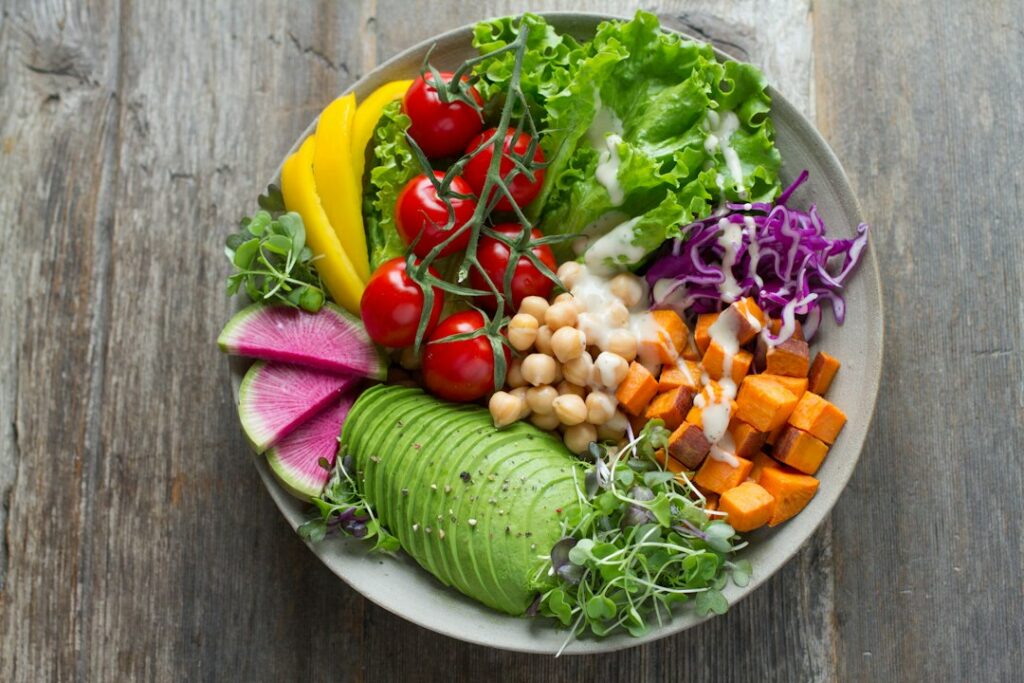
Breaking: The Truth About Weight loss
“`html
Breaking: The Truth About Weight Loss
Weight loss is a topic that has captivated millions around the globe, yet it remains shrouded in myths, misconceptions, and quick-fix promises. From fad diets to miracle pills, the industry is flooded with solutions that often deliver temporary results, if any at all. But what if the key to sustainable weight loss isn’t found in extremes, but in understanding the science and psychology behind it? In this blog post, we’re breaking down the truth about weight loss—what works, what doesn’t, and how you can achieve lasting results without sacrificing your sanity or health.
The journey to weight loss is deeply personal, influenced by factors like genetics, lifestyle, and mental health. It’s not just about looking good; it’s about feeling good and improving overall well-being. Yet, the noise of misinformation can make it overwhelming to know where to start. This post aims to cut through the clutter, providing actionable insights and practical tips to help you navigate your weight loss journey with clarity and confidence.
Whether you’re just beginning or have been on this path for a while, understanding the fundamentals of weight loss is crucial. It’s not a race, but a marathon—one that requires patience, consistency, and self-compassion. Let’s dive into the truth about weight loss and uncover the strategies that truly make a difference.
1. The Science of Weight Loss: It’s Not Just About Calories
At its core, weight loss is about creating a calorie deficit—burning more calories than you consume. However, it’s not as simple as “eat less, move more.” Factors like metabolism, hormone balance, and the quality of food play significant roles. For instance, not all calories are created equal. A 100-calorie snack of processed food affects your body differently than 100 calories of whole, nutrient-dense food.
Additionally, factors like sleep, stress, and gut health can impact weight loss. Poor sleep disrupts hormones like leptin and ghrelin, which regulate hunger and fullness. Chronic stress increases cortisol levels, leading to fat storage, particularly around the abdomen. Understanding these interconnected elements is key to creating a holistic weight loss plan.
- Practical Tip: Focus on whole, unprocessed foods like vegetables, lean proteins, and healthy fats. Track your calorie intake, but also pay attention to how different foods make you feel.
- Actionable Advice: Prioritize 7-9 hours of quality sleep per night and incorporate stress-reducing practices like meditation or yoga into your routine.
2. The Role of Exercise: It’s Not Just About Cardio
Exercise is a cornerstone of weight loss, but not all workouts are created equal. While cardio burns calories, strength training builds muscle, which increases your resting metabolic rate—meaning you burn more calories even at rest. Combining both types of exercise creates a balanced approach that maximizes fat loss and improves overall fitness.
Another often-overlooked aspect is the importance of movement throughout the day. Sedentary lifestyles can negate the benefits of a single intense workout. Incorporating activities like walking, stretching, or even standing instead of sitting can make a significant difference over time.
- Practical Tip: Aim for at least 150 minutes of moderate-intensity cardio and 2-3 days of strength training per week.
- Actionable Advice: Use a step tracker or set reminders to move every hour, even if it’s just a quick walk around your workspace.
3. The Psychology of Weight Loss: Mindset Matters
Weight loss isn’t just a physical challenge; it’s a mental one. Negative self-talk, emotional eating, and all-or-nothing thinking can sabotage your efforts. Cultivating a positive mindset and practicing self-compassion are essential for long-term success. Celebrate small victories, and remember that setbacks are part of the process, not failures.
Mindful eating is another powerful tool. Paying attention to hunger cues, eating slowly, and savoring each bite can help you develop a healthier relationship with food. This approach not only aids in weight loss but also enhances overall satisfaction and enjoyment of meals.
- Practical Tip: Keep a journal to track your thoughts, feelings, and eating habits. Identify triggers for emotional eating and find healthier ways to cope.
- Actionable Advice: Practice gratitude daily. Reflect on what your body can do rather than focusing solely on how it looks.
4. Sustainable Habits: The Key to Long-Term Success
Fad diets and extreme measures may yield quick results, but they’re rarely sustainable. The key to lasting weight loss is building habits that you can maintain for life. Start small, focus on consistency, and gradually incorporate changes into your routine. For example, swapping sugary drinks for water or taking the stairs instead of the elevator are simple yet effective steps.
Accountability also plays a crucial role. Whether it’s a friend, family member, or support group, having someone to share your journey with can provide motivation and encouragement. Additionally, setting realistic goals and regularly reassessing your progress helps keep you on track.
- Practical Tip: Use the “habit stacking” technique—add a new healthy habit to an existing one, like doing squats while brushing your teeth.
- Actionable Advice: Find an accountability partner or join a community of like-minded individuals to stay motivated.
5. Busting Common Myths: What Doesn’t Work
The weight loss industry is rife with myths that can lead you astray. Let’s debunk a few: “Carbs are the enemy,” “Spot reduction is possible,” and “Detox teas lead to weight loss.” The truth is, balanced nutrition, overall fat loss, and evidence-based methods are what truly work. Avoid falling for marketing gimmicks and instead focus on proven strategies.
Another myth is that weight loss should be fast. Rapid weight loss often leads to muscle loss and a slower metabolism, making it harder to maintain results. Slow and steady progress is more sustainable and healthier in the long run.
- Practical Tip: Educate
Recommended Products:
Looking for quality health products? Check out our recommended health gear and supplements on CJ Affiliate.
This content has been automatically expanded for better search engine optimization and reader engagement.