Great Health Great Fitness

Chagas Disease Declared Endemic in the U.S.: CDC Sounds Alarm on “Kissing Bug” Threat
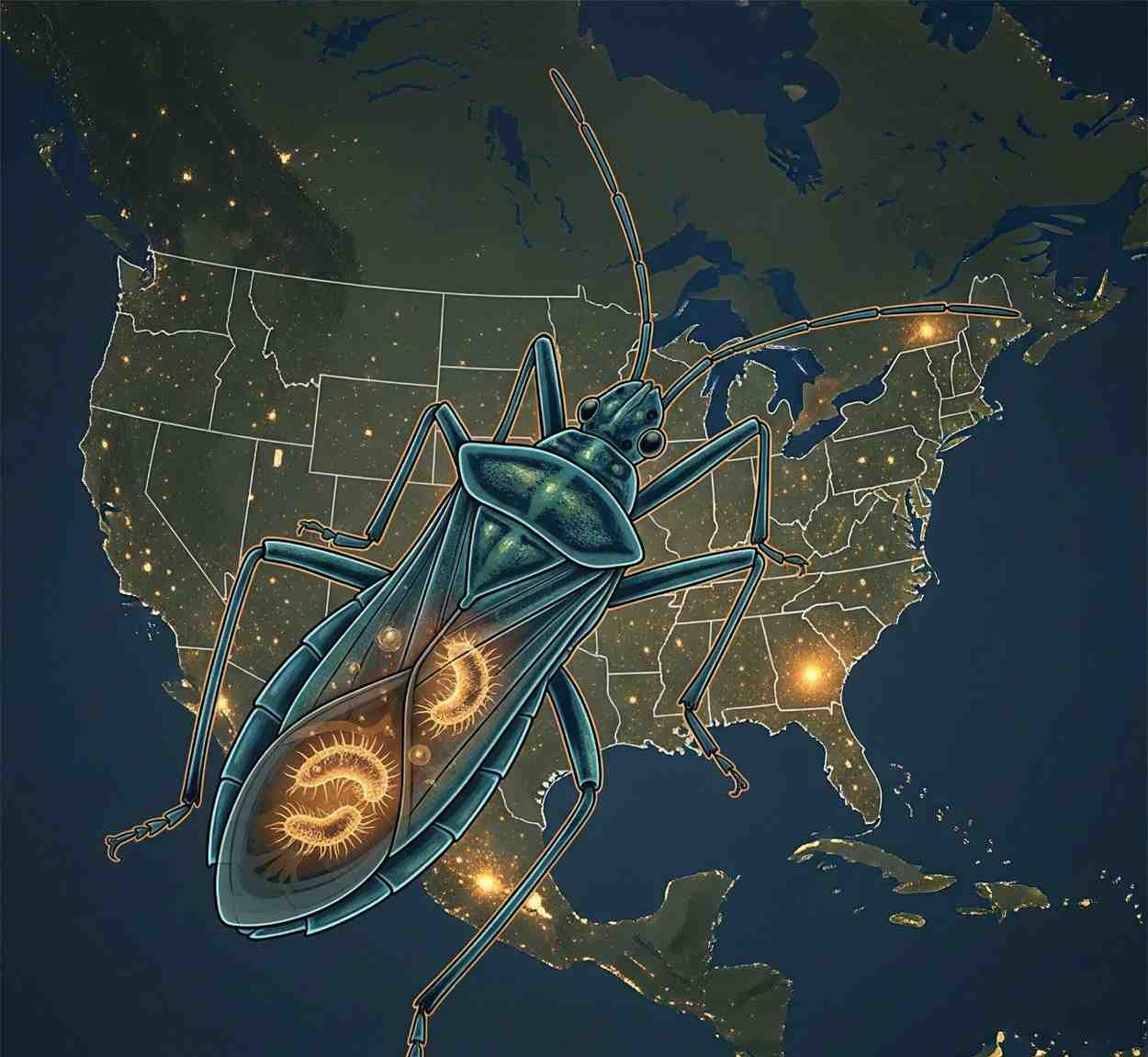
Washington, D.C., September 9, 2025 — The Centers for Disease Control and Prevention (CDC) has issued a landmark declaration that Chagas disease, commonly known as “kissing bug disease,” is now officially endemic in the United States. This announcement marks a major shift in the nation’s public health landscape, raising concerns about the spread of a parasite once thought to be confined largely to Latin America.
The disease is caused by the parasite Trypanosoma cruzi, transmitted primarily through bites from triatomine insects—often called “kissing bugs” because of their tendency to bite near the mouth and eyes while people sleep. Once considered a tropical disease, Chagas has now been documented across 32 U.S. states, with confirmed cases of local transmission steadily rising over the past decade.
Silent but Dangerous
Public health officials stress that Chagas disease is particularly dangerous because of its stealthy progression. Many infected individuals experience mild or no symptoms during the initial phase, leading to delayed diagnosis. However, if left untreated, the parasite can remain in the body for life, gradually damaging the heart and digestive system.
Studies show that up to 30% of chronic patients may develop severe heart complications, including arrhythmias, heart failure, and even sudden cardiac death. Another 10% may suffer from digestive tract enlargement, leading to severe swallowing and nutritional problems.
Limited Treatment Options
Currently, the U.S. has only two approved antiparasitic drugs—benznidazole and nifurtimox—both of which are most effective when administered in the early stages of infection. Treatment becomes less effective as the disease advances, underscoring the urgent need for early screening and diagnosis.
What worries experts most is the absence of a vaccine and the lack of widespread awareness among both healthcare providers and the public. Many infected individuals in the U.S. remain undiagnosed due to overlapping symptoms with other illnesses and a perception that the disease is rare.
A Growing Public Health Priority
The CDC’s declaration signals a need for enhanced surveillance, targeted awareness campaigns, and increased funding for research. “We are witnessing a shift from imported cases to sustained local transmission,” a CDC spokesperson explained. “This is no longer just a concern for travelers; it is a growing domestic health issue.”
Researchers are also warning of potential socioeconomic implications, as most kissing bug habitats overlap with rural and under-resourced areas in southern states, where access to specialized healthcare is limited.
Global Perspective
Globally, Chagas disease affects an estimated 6 to 7 million people, with the majority of cases occurring in Latin America. Migration, climate change, and expanding insect habitats are now contributing to the spread of the parasite into non-traditional regions, including the U.S. and parts of Europe.
Experts argue that the U.S. must learn from the experiences of Latin American countries, where community education, vector control programs, and routine screening in blood banks have proven effective in reducing transmission.
What’s Next?
The CDC is urging states to ramp up testing in blood banks, hospitals, and prenatal care centers, as congenital transmission from mother to child is another significant route of infection. They also emphasize preventive measures such as sealing cracks in homes, using insect screens, and educating communities about the dangers of kissing bugs.
Until a vaccine or better treatment options are developed, public vigilance will remain the strongest line of defense.
👉 Bottom Line:
Chagas disease is no longer a distant threat—it is here in the U.S. to stay. With the CDC’s declaration, the responsibility now falls on healthcare providers, policymakers, and communities to act swiftly and decisively to prevent the silent spread of this potentially fatal disease.