Great Health Great Fitness

Scientists Discover Protein That Could Reverse Memory Loss – Breakthrough Study Offers Hope Against Ageing and Alzheimer’s
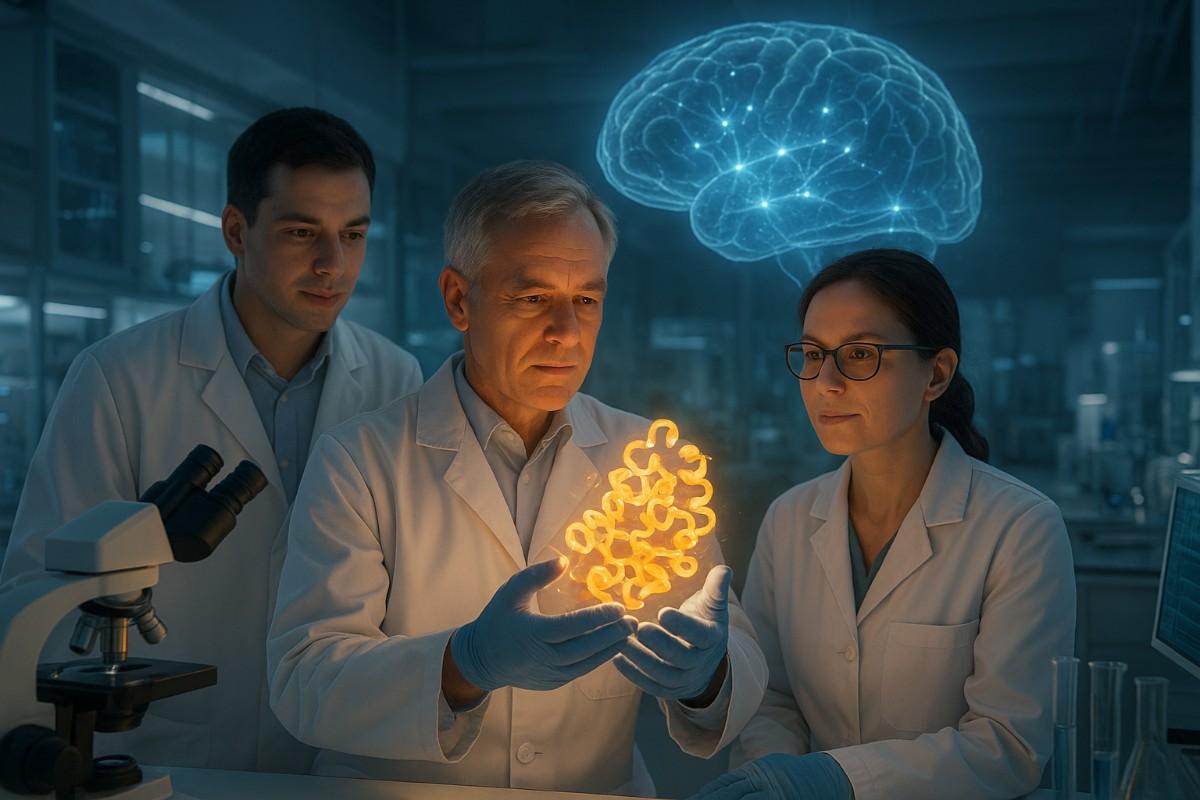
In a groundbreaking scientific development, researchers have identified a naturally occurring protein that shows remarkable potential to reverse memory loss and restore cognitive functions. This discovery could become a turning point in the fight against age-related memory decline and neurodegenerative diseases like Alzheimer’s, conditions that have long challenged doctors, patients, and families across the globe.
The study, conducted by a team of neuroscientists at a leading research institute, revealed that the protein plays a critical role in strengthening neural connections in the brain. In laboratory experiments, animals that had already shown signs of severe memory loss demonstrated significant improvement in cognitive performance after receiving targeted doses of the protein. Tasks such as maze navigation, object recognition, and memory recall improved drastically — results that scientists describe as “beyond expectations.”
How the Protein Works
The protein appears to stimulate synaptic growth, allowing damaged brain cells to reconnect and communicate more effectively. This is especially important in Alzheimer’s disease, where the gradual death of neurons and breakdown of connections lead to devastating memory impairment. Unlike many current treatments, which only slow down the progression of symptoms, this protein seems capable of restoring lost function — a possibility researchers are calling “revolutionary.”
Dr. Anita Deshmukh, one of the lead authors of the study, explained:
“We have known for decades that memory loss occurs when brain networks collapse. What makes this protein special is its ability to rebuild those networks. In simple terms, it doesn’t just delay memory loss — it has the potential to reverse it.”
Implications for Ageing and Alzheimer’s
The implications of this discovery are massive. Alzheimer’s disease currently affects more than 55 million people worldwide, and the numbers are expected to double in the next two decades. Families spend billions of dollars on care, while patients slowly lose independence and identity. If clinical trials confirm these early findings, this protein could become the foundation of the first truly restorative treatment for Alzheimer’s and age-related dementia.
Moreover, researchers believe it might also help with mild cognitive impairment — the early stage of memory decline that many older adults experience. This could mean that people in their 60s and 70s, who begin to notice forgetfulness, may one day receive a therapy that rejuvenates their brain function instead of simply managing symptoms.
Next Steps in Research
While the results are promising, scientists caution that more work needs to be done. The study so far has only been tested in animal models. Human clinical trials are expected to begin within the next two years. Researchers will focus on understanding the safety, dosage, and long-term impact of the protein in human brains.
Experts also emphasize that this discovery could pave the way for a new generation of cognitive-enhancing therapies, potentially extending not just lifespan but also “healthspan” — the years in which a person can live with full independence and mental sharpness.
A Ray of Hope
For millions of families around the world who watch loved ones struggle with Alzheimer’s, this breakthrough offers a rare ray of hope. If successful, it could transform how we understand ageing, memory, and brain health.
As Dr. Deshmukh put it:
“We are not just looking at treating a disease. We may be entering an era where memory loss and dementia are no longer inevitable parts of ageing.”