Great Health Great Fitness

Diabetes and Eye Exams: When Screening Is Needed and What to Expect
Learn when people with type 1 or type 2 diabetes should have a dilated eye exam, why diabetic retinopathy can be silent, and how to protect vision.
Picture This: A World Unseen
Imagine waking up one morning and noticing that the world around you seems a little blurry. You shrug it off, thinking perhaps it’s just a temporary glitch. But as days go by, the blurriness remains, and you find yourself squinting more often or struggling to read the fine print. What if I told you that these could be early signs of a much bigger issue looming on the horizon? For individuals with diabetes, these symptoms can signify the onset of serious eye complications. This scenario highlights the importance of regular eye examinations in detecting early signs of diabetes-related complications.
Understanding the Connection Between Diabetes and Eye Health
Diabetes can lead to several complications, and eye health is particularly vulnerable. The fluctuations in blood glucose levels can damage the blood vessels in the retina, leading to conditions like diabetic retinopathy, cataracts, and glaucoma. It’s a silent threat—often asymptomatic in the early stages—which makes it easy to overlook.
Diabetic retinopathy can develop without noticeable symptoms in its early stages. Blurred vision, floaters or dark areas may occur as disease progresses, but waiting for symptoms can mean missing an opportunity for early detection. A dilated retinal examination or an approved screening pathway can identify changes before vision is affected.
When Should You Schedule Your Eye Exam?
Screening timing depends on diabetes type and previous findings. Adults with type 2 diabetes should have an initial comprehensive dilated eye examination at diagnosis. Adults with type 1 diabetes should have an initial examination within five years after onset. If there is no retinopathy on one or more annual exams and glucose indicators are within target, screening every one to two years may be considered. If retinopathy is present, examinations are generally at least annual and may be more frequent as advised by the eye-care professional.
A Walk Through the Eye Exam Process
So, what can you expect during an eye exam? It typically involves a series of tests to evaluate your vision and check for eye disease. Here’s a quick breakdown:
- Visual Acuity Test: You’ll read letters on a chart to assess how well you see at various distances.
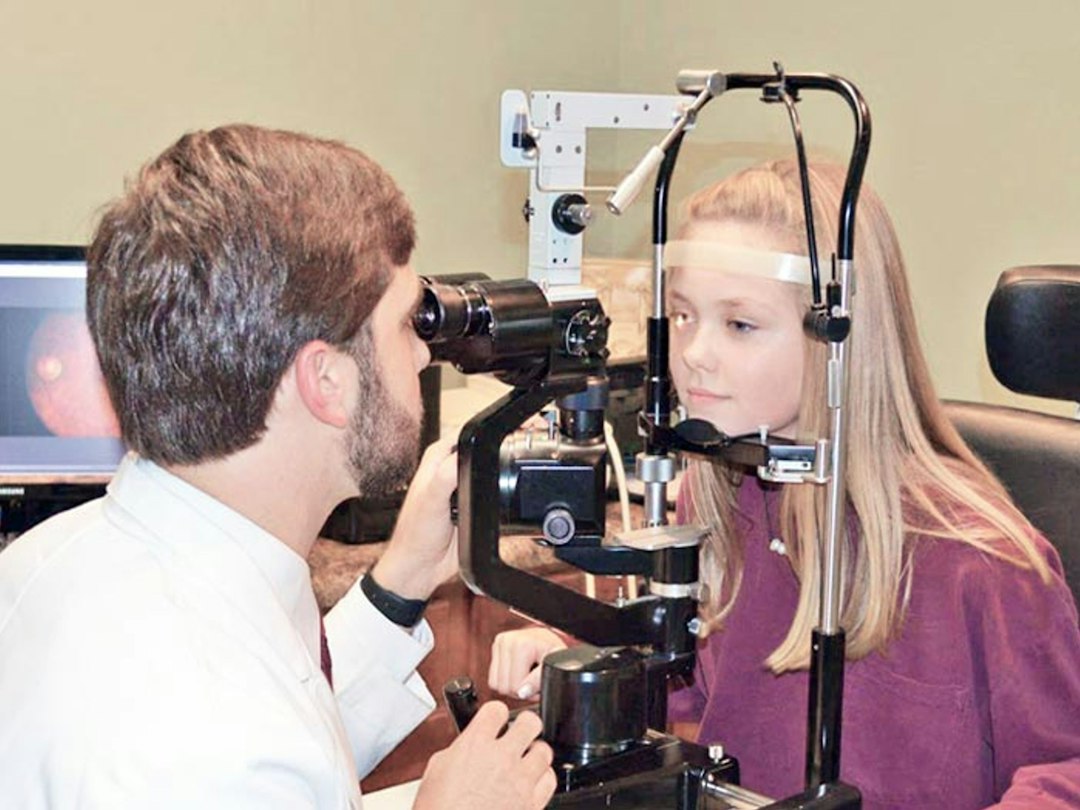
- Dilated Eye Exam: Eye drops will widen your pupils, allowing the doctor to examine the retina for any signs of damage or disease.
- Tonometry: This test measures the pressure inside your eye, which is crucial for detecting glaucoma.
- Fundus Photography: This involves taking pictures of the back of your eye to monitor for changes over time.
Each test provides vital information about your eye health. For example, during the dilated exam, your eye care professional can spot the telltale signs of diabetic retinopathy, such as microaneurysms or bleeding in the retina. Identifying these symptoms early can lead to timely intervention, including laser treatments or injections that can preserve your sight.
Common Eye Complications Related to Diabetes
Understanding what complications you’re being screened for can empower you during your exams. Here are the three most common eye complications associated with diabetes:
- Diabetic Retinopathy: As mentioned, this condition occurs when high blood sugar levels damage the blood vessels in the retina. If left untreated, it can lead to severe vision loss.
- Cataracts: People with diabetes are twice as likely to develop cataracts compared to non-diabetics. Symptoms include cloudy or blurred vision, which can often be corrected with surgery.
- Glaucoma: This group of diseases can damage the optic nerve, leading to vision loss. High eye pressure is a significant risk factor for those with diabetes.
Each of these conditions can develop without obvious symptoms, particularly in the early stages. This is why early detection is key.
Why Symptoms Are Not a Reliable Screening Method
People with diabetes can have very different eye findings, and someone can have diabetic retinopathy while vision still seems normal. A fictional example cannot predict an individual’s outcome. The safest approach is to follow the screening schedule recommended by the diabetes and eye-care teams, even when eyesight feels unchanged.
Eye Health Beyond Diabetes: Why It’s All Connected
A comprehensive eye examination can detect several eye conditions, including glaucoma and cataracts. It may also reveal signs that prompt further medical assessment, but it is not a substitute for blood tests or general health screening.
A comprehensive eye exam can sometimes offer the first indication of underlying health conditions. So, even if diabetes isn’t on your radar, these checks are still vital. Prioritize your eye health to enhance your overall well-being.
Tips for Keeping Your Vision Sharp
In addition to attending eye appointments, follow your diabetes care plan for blood glucose, blood pressure and cholesterol. Avoid tobacco and seek prompt eye care for sudden vision loss, a curtain-like shadow, a sudden increase in floaters or flashes of light.
- Manage Your Blood Sugar: Keeping your blood sugar within your target range can significantly decrease the risk of developing diabetic complications.
- Stay Active: Regular exercise can improve your overall health and help maintain healthy blood sugar levels.
- Eat a Balanced Diet: Incorporate plenty of fruits, vegetables, whole grains, and lean proteins into your diet, and limit sugars and saturated fats.
- Avoid Smoking: Smoking elevates the risk of developing diabetes-related eye diseases, among other health issues.
All of these factors play a role in both your eye health and overall well-being. Making these lifestyle adjustments can lead to a healthier life and a lower risk of complications.
The Bottom Line: Don’t Skip That Appointment
In a world where life gets busy, it’s easy to let routine appointments slip through the cracks. But when it comes to eye health, delaying an eye exam can have serious consequences. If you have diabetes or even if you’re just overdue for a check-up, prioritize your eye health by scheduling that appointment today.
Your vision is essential. Neglecting it can lead to irreversible damage. Stay proactive about your eye health and take advantage of the resources available to you. Remember, regular eye examinations can be your first line of defense against diabetes-related complications. By investing a little time now, you can protect your vision and ensure you see the world clearly for years to come.
Sources and further reading
- CDC: Promoting Eye Health in Diabetes
- American Diabetes Association: Standards of Care in Diabetes—2026, Retinopathy and Eye Care
CONTOUR NEXT ONE Blood Glucose Meter Kit

A home glucose meter for self-monitoring when prescribed
The CONTOUR NEXT ONE system is designed for people with diabetes to measure blood glucose using compatible test strips. It can support a diabetes care plan when self-monitoring is recommended, but it does not examine the retina, diagnose diabetic retinopathy or replace a dilated eye exam. Confirm kit contents and strip compatibility before purchase.
View the CONTOUR NEXT ONE Meter Kit on Amazon
Affiliate disclosure: GHGF may earn a commission from qualifying purchases made through this Amazon link, at no extra cost to you.
This article is for general informational purposes only and is not medical advice. It is not a substitute for professional medical diagnosis, treatment, or care. Always consult a qualified healthcare provider with any questions about a medical condition or before making changes to your health routine.