


Picture This: A World Unseen
Imagine waking up one morning and noticing that the world around you seems a little blurry. You shrug it off, thinking perhaps it’s just a temporary glitch. But as days go by, the blurriness remains, and you find yourself squinting more often or struggling to read the fine print. What if I told you that these could be early signs of a much bigger issue looming on the horizon? For individuals with diabetes, these symptoms can signify the onset of serious eye complications. This scenario highlights the importance of regular eye examinations in detecting early signs of diabetes-related complications.
Understanding the Connection Between Diabetes and Eye Health
Diabetes can lead to several complications, and eye health is particularly vulnerable. The fluctuations in blood glucose levels can damage the blood vessels in the retina, leading to conditions like diabetic retinopathy, cataracts, and glaucoma. It’s a silent threat—often asymptomatic in the early stages—which makes it easy to overlook.
Diabetic retinopathy, for instance, affects about 1 in 3 people with diabetes. Early symptoms might include floaters, blurred vision, or dark areas in your vision. Without regular eye exams, many might not notice these early signs until significant damage has already occurred. This is why knowing when to schedule an eye exam is not just important, it’s essential.
When Should You Schedule Your Eye Exam?
If you have diabetes, experts recommend that you have your eyes examined at least once a year. However, consulting your eye care professional for personalized advice based on your condition is crucial. For those newly diagnosed with diabetes, a comprehensive eye exam should occur soon after diagnosis. Regular monitoring can help catch complications early, making treatment more effective.
A Walk Through the Eye Exam Process
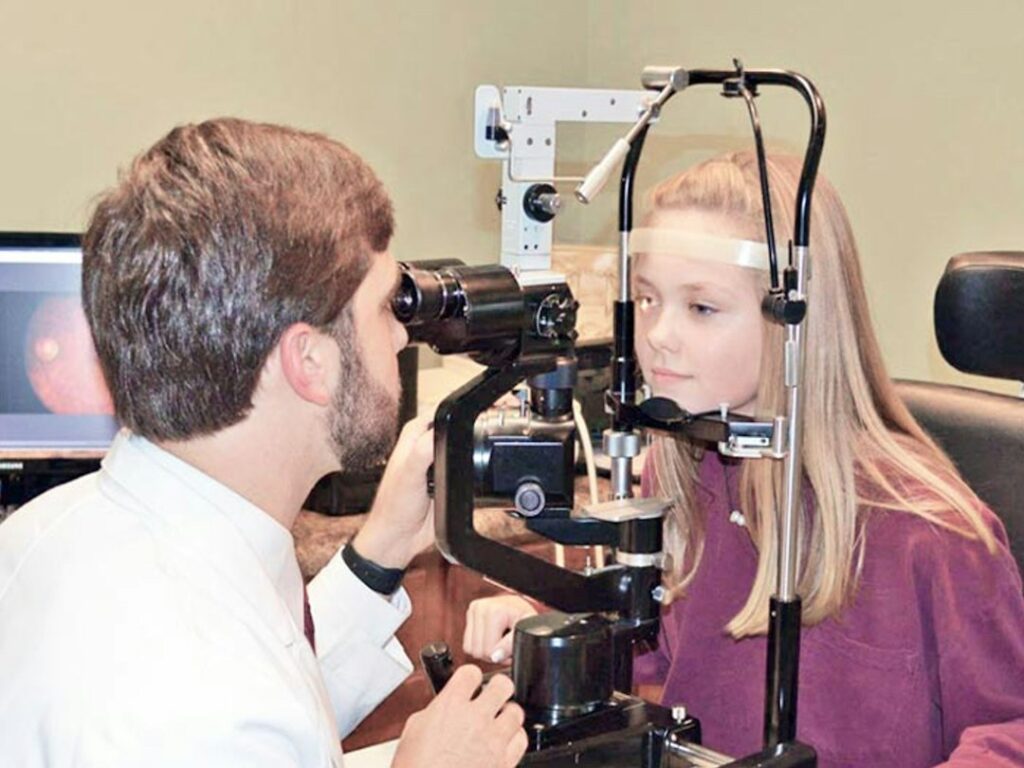
So, what can you expect during an eye exam? It typically involves a series of tests to evaluate your vision and check for eye disease. Here’s a quick breakdown:
- Visual Acuity Test: You’ll read letters on a chart to assess how well you see at various distances.
- Dilated Eye Exam: Eye drops will widen your pupils, allowing the doctor to examine the retina for any signs of damage or disease.
- Tonometry: This test measures the pressure inside your eye, which is crucial for detecting glaucoma.
- Fundus Photography: This involves taking pictures of the back of your eye to monitor for changes over time.
Each test provides vital information about your eye health. For example, during the dilated exam, your eye care professional can spot the telltale signs of diabetic retinopathy, such as microaneurysms or bleeding in the retina. Identifying these symptoms early can lead to timely intervention, including laser treatments or injections that can preserve your sight.
Common Eye Complications Related to Diabetes
Understanding what complications you’re being screened for can empower you during your exams. Here are the three most common eye complications associated with diabetes:
- Diabetic Retinopathy: As mentioned, this condition occurs when high blood sugar levels damage the blood vessels in the retina. If left untreated, it can lead to severe vision loss.
- Cataracts: People with diabetes are twice as likely to develop cataracts compared to non-diabetics. Symptoms include cloudy or blurred vision, which can often be corrected with surgery.
- Glaucoma: This group of diseases can damage the optic nerve, leading to vision loss. High eye pressure is a significant risk factor for those with diabetes.
Each of these conditions can develop without obvious symptoms, particularly in the early stages. This is why early detection is key.
Real-Life Scenarios: Early Detection Matters
Let’s look at a couple of scenarios to illustrate how early detection can make a difference. Take Sarah, for example, a 55-year-old woman diagnosed with Type 2 diabetes. She scheduled her routine eye exam even though she felt fine. During the dilated eye exam, her doctor noticed early signs of diabetic retinopathy. Thanks to timely treatment, Sarah was able to prevent further damage and maintain her vision.
Now consider John, a 60-year-old man who let his eye exam slide for a couple of years. By the time he finally went in, he was experiencing severe vision loss due to advanced diabetic retinopathy. Unfortunately, treatment options were very limited at that stage, and he lost a significant portion of his sight.
Sarah’s story is a victory for early detection, while John’s serves as a cautionary tale. Both highlight the critical importance of being proactive about eye health.
Eye Health Beyond Diabetes: Why It’s All Connected
Even if you don’t currently have diabetes, regular eye exams can reveal other health issues. Did you know that high cholesterol, hypertension, and even certain autoimmune disorders can be detected during a routine eye exam? The eyes are often referred to as the “windows to the body,” giving doctors a glimpse into your overall health.
A comprehensive eye exam can sometimes offer the first indication of underlying health conditions. So, even if diabetes isn’t on your radar, these checks are still vital. Prioritize your eye health to enhance your overall well-being.
Tips for Keeping Your Vision Sharp
Besides regular eye exams, there are several lifestyle choices you can make to protect your vision, particularly if you have diabetes:
- Manage Your Blood Sugar: Keeping your blood sugar within your target range can significantly decrease the risk of developing diabetic complications.
- Stay Active: Regular exercise can improve your overall health and help maintain healthy blood sugar levels.
- Eat a Balanced Diet: Incorporate plenty of fruits, vegetables, whole grains, and lean proteins into your diet, and limit sugars and saturated fats.
- Avoid Smoking: Smoking elevates the risk of developing diabetes-related eye diseases, among other health issues.
All of these factors play a role in both your eye health and overall well-being. Making these lifestyle adjustments can lead to a healthier life and a lower risk of complications.
The Bottom Line: Don’t Skip That Appointment
In a world where life gets busy, it’s easy to let routine appointments slip through the cracks. But when it comes to eye health, delaying an eye exam can have serious consequences. If you have diabetes or even if you’re just overdue for a check-up, prioritize your eye health by scheduling that appointment today.
Your vision is essential. Neglecting it can lead to irreversible damage. Stay proactive about your eye health and take advantage of the resources available to you. Remember, regular eye examinations can be your first line of defense against diabetes-related complications. By investing a little time now, you can protect your vision and ensure you see the world clearly for years to come.
This article is for general informational purposes only and is not medical advice. It is not a substitute for professional medical diagnosis, treatment, or care. Always consult a qualified healthcare provider with any questions about a medical condition or before making changes to your health routine.