





Featured photograph: Rashmi Kalburgie, via Unsplash. Used under the Unsplash License.
You do not need to sprint, gasp for air, or finish every workout exhausted to improve your aerobic fitness. A steady pace you can repeat consistently can be a powerful part of a healthier routine.
Zone 2 cardio is not about pushing until you are breathless. It has become a popular phrase in fitness conversations, but the idea behind it is refreshingly practical: move at a controlled, sustainable effort that challenges your breathing without turning the session into a race. For many people, that could mean brisk walking, easy cycling, swimming, or using an elliptical. The exact pace depends on your current fitness, the activity, the terrain, and your health.
This guide explains what Zone 2 usually means, how to recognise a suitable effort without buying equipment, how to build a realistic weekly plan, and when to seek individual advice. It also separates useful training principles from the exaggerated claims that sometimes surround heart-rate zones.
What is Zone 2 cardio?
Zone 2 is commonly used to describe a lower-to-moderate intensity range in a five-zone heart-rate training model. It sits above very easy recovery movement and below harder efforts that make conversation difficult. In this range, breathing is more noticeable than it is at rest, but the effort should feel controlled enough to continue for a sustained period. The label is not perfectly standardised: different watches, coaches and testing methods can divide exercise intensity into zones differently.
A useful distinction is that Zone 2 is not a special type of exercise. It is an effort level. Walking, cycling, swimming, rowing and other rhythmic activities may fit when performed at the right intensity for the individual. A pace that feels moderate to one person may be too easy or too demanding for someone else. That is why matching effort to your own breathing and fitness is more useful than copying another person’s speed.
How to recognise the right effort without a fancy watch
The simplest starting point is the talk test. During moderate-intensity activity, most people can talk but would find singing difficult. If you can only get out a few words before needing a breath, the effort may be vigorous rather than moderate. If you can sing easily and your breathing barely changes, you may be moving at a light intensity. These are practical estimates, not medical measurements, and symptoms always matter more than a target number.
8 practical ways to build a Zone 2 routine
1. Start with a pace you can sustain
Choose a familiar route or an indoor activity that lets you control the effort. Begin more gently than you think you need to, especially during the first five minutes, because breathing and heart rate take time to settle into a steady pattern. Once you feel warmed up, gradually increase your pace until breathing is deeper but conversation remains possible. Avoid turning the first session into a test of how fast you can walk.
For example, if you usually stroll to the local shop, try a slightly more purposeful pace on the way home while keeping your shoulders relaxed. If talking becomes uncomfortable, slow down for a minute and reassess. The goal is a repeatable effort, not a particular speed. Record how the session felt so you can compare your own progress over several weeks rather than comparing yourself with a friend.
2. Use the talk test before relying on heart-rate numbers
A smartwatch can be useful, but it is not required to begin. If you already use a compatible heart-rate sensor, compare its readings with how your breathing feels rather than following the display blindly. Wrist readings may fluctuate with movement, fit, temperature, skin contact and the device itself. Heart rate is also influenced by sleep, stress, caffeine, heat, hydration, illness and some medicines. If the watch says you are in a zone but you feel unusually breathless, dizzy or unwell, do not force yourself to stay in that zone.
Use the talk test as a second source of information. Check whether your breathing and speech match the effort you intended, and pay attention to how quickly you recover when you slow down. If you take medication that changes heart rate, a generic age-based formula may be especially misleading. Ask your clinician or exercise professional whether perceived effort or a medically guided target is more appropriate for you.
3. Choose an activity that fits your joints and surroundings
Brisk walking is accessible for many people because it requires little equipment and can be fitted around errands or a lunch break. Cycling may feel more comfortable for someone who prefers less impact, while swimming or water exercise can be useful for people who enjoy being in the pool. An elliptical or stationary bike offers an indoor option when weather, traffic or uneven pavements make outdoor movement inconvenient.
Choose a surface and activity that feel stable and comfortable. If walking outdoors, use a well-lit route with even ground and suitable footwear. If balance, joint pain or mobility is a concern, consider a supported indoor option and ask a physiotherapist or clinician about modifications. The best activity is not the one that looks most impressive online; it is the one you can do safely and return to regularly.
4. Warm up gradually and finish with an easy cool-down
Start with a few minutes of comfortable movement before increasing to your planned steady pace. A warm-up can be as simple as walking slowly, moving your arms naturally and allowing your breathing to rise gradually. This gives you time to notice stiffness, discomfort or unusual symptoms before the main part of the session. You do not need complicated drills or a long stretching routine to begin an ordinary walk.
At the end, reduce your pace for several minutes rather than stopping abruptly after a sustained effort. Let your breathing settle and notice whether you feel steady when you finish. If you have been exercising in hot weather, allow extra time to cool down and drink according to thirst and your individual needs. A calm finish makes the session easier to repeat and helps you assess how your body responded.
5. Build duration before chasing speed
If you are new to structured cardio, begin with a duration that feels manageable, even if that is only 10 to 15 minutes. Repeat that level until it feels comfortable, then add a small amount of time rather than making a large jump in pace and duration together. Someone who already walks regularly may begin with longer sessions, while a person returning after illness or a long break may need shorter bouts spread through the week.
For example, you might add five minutes to one or two walks after a week or two if recovery feels good. If your legs remain unusually sore, your sleep worsens, or the routine begins to feel exhausting, hold steady or reduce the workload. Progress is not a straight line. A sustainable plan has room for busy days, weather changes, family responsibilities and occasional lighter weeks.
6. Spread activity across the week in a realistic way
Public-health guidance for adults generally recommends accumulating at least 150 minutes of moderate-intensity aerobic activity per week, alongside muscle-strengthening activity on at least two days. That is a broad population target, not a requirement to jump straight into five long workouts. You can divide activity into shorter sessions that fit your schedule, and everyday movement can contribute to your overall activity total.
A practical week might include a 20-minute walk on Monday, Wednesday and Friday, plus a longer easy cycle or walk at the weekend. Add strength sessions on separate days or after shorter cardio sessions if that suits your recovery. If you currently do very little activity, start below the guideline and build gradually. Consistency over months matters more than trying to complete a perfect week immediately.
7. Keep easy days genuinely easy
One common mistake is allowing every workout to become moderately hard or harder. If you are using Zone 2 as part of a broader training plan, easy sessions should feel controlled enough that you could finish without needing to lie down or cancel the rest of your day. You may sweat, breathe faster and feel that you are exercising, but the session should not become a race against your pace or heart-rate display.
Leave harder intervals for a separate session only if they fit your experience, health and goals. Beginners do not need high-intensity intervals to benefit from moving regularly. If you combine cardio with strength training, make sure the total workload allows recovery. A lighter day is not wasted training; it can help you maintain a routine without repeatedly pushing through fatigue.
8. Track how you feel, not just the numbers
After each session, note the activity, approximate duration, route or resistance level, and how the effort felt. You might record whether you could speak in full sentences, whether you felt energised or drained afterwards, and whether anything hurt. These simple observations can reveal patterns that a single heart-rate number cannot. They also help you notice when a familiar route feels easier at the same pace.
Review your notes every two or three weeks rather than reacting to every daily fluctuation. If your walking pace improves while the same effort feels comfortable, that can be a useful sign of progress. Do not interpret one unusually high or low reading as proof that your fitness has changed. Devices estimate; they do not replace your judgement, symptoms or professional advice.
A beginner-friendly four-week progression
Use this as an example, not a prescription. If you already exercise regularly, you may need a different starting point. If you have been inactive, have a chronic condition, or are returning after injury or illness, ask a qualified professional how to adapt the plan. Keep the effort conversational and increase only when the current level feels manageable.
| Week | Example target | Focus |
|---|---|---|
| 1 | 3 sessions of 10-15 minutes | Find a comfortable pace |
| 2 | 3 sessions of 15-20 minutes | Extend time if recovery is good |
| 3 | 4 sessions of 15-20 minutes | Add a day, not extra speed |
| 4 | 4-5 sessions of 20-25 minutes | Build a repeatable weekly rhythm |
Do you need a heart-rate monitor?
No. A monitor can be useful if you enjoy data, are following a structured endurance plan, or have been given a specific training target. But the talk test and perceived effort are enough for many people beginning moderate activity. Do not buy a device because you think it is required to make a walk count. A comfortable pair of shoes and a safe route may be more useful first purchases.
If you do use a monitor, learn how your particular device defines its zones and treat its readings as estimates. Age-based maximum-heart-rate formulas are rough population estimates, not personal measurements. Some medications, including beta blockers, can change the heart-rate response to exercise. People with cardiovascular conditions may need individually tailored targets from their healthcare team.
Common Zone 2 mistakes to avoid
- Chasing a universal heart-rate number: zone definitions and individual responses vary.
- Going too hard too soon: a session should be repeatable, not a test of willpower.
- Assuming every walk is Zone 2: the effort depends on your fitness, pace, slope and conditions.
- Ignoring symptoms: chest discomfort, faintness or unusual breathlessness are not signs to push through.
- Thinking Zone 2 replaces everything: a balanced routine also includes strength, mobility and daily movement.
Safety: when to slow down or get advice
Most adults can begin light-to-moderate activity gradually, but the right plan depends on health history, symptoms, medication and current ability. If you have known heart or lung disease, uncontrolled blood pressure, diabetes with complications, significant balance problems, or you are recovering from a medical event, ask your healthcare professional how to start safely. A clinician may recommend a supervised programme or specific limits rather than a generic heart-rate zone.
Stop exercising and seek urgent medical help for chest pain or pressure, fainting, or severe or unusual shortness of breath. New dizziness, palpitations, unusual weakness or symptoms that do not settle deserve medical advice. Do not use a fitness watch to diagnose a heart problem or to overrule symptoms. Exercise should challenge you appropriately, not make you feel unsafe.
FAQs
Is brisk walking enough for Zone 2?
It can be. Whether a walk reaches moderate intensity depends on your fitness, pace, terrain and health. Use the talk test rather than assuming a particular speed works for everyone.
How many minutes should I do?
Build gradually toward public-health recommendations of at least 150 minutes of moderate activity each week if appropriate for you. Shorter sessions still contribute to activity, and a smaller starting amount is worthwhile.
Can I do Zone 2 every day?
Some people tolerate frequent easy activity, but daily training is not necessary. Balance exercise with recovery, strength work, sleep and your overall health. Reduce activity if fatigue or pain accumulates.
Does Zone 2 burn more fat than harder exercise?
The body uses a changing mix of fuels at different intensities, but fat use during one workout does not determine long-term fat loss. Overall activity, eating patterns, recovery and consistency matter more than chasing a supposed fat-burning zone.
Do I need a smartwatch?
No. A watch is optional equipment for tracking, not a requirement for exercise benefits. The talk test and how you feel are practical starting points for many healthy adults.
The takeaway
Zone 2 is best understood as a sustainable effort, not a magic number or shortcut. Choose an activity you enjoy, begin at a pace that allows conversation, and gradually build a routine that fits your week. A walk after breakfast, a steady cycle on the weekend, or a short indoor session can all contribute. The most useful pace is the one you can repeat safely and consistently.
Sources and further reading
- CDC: How to Measure Physical Activity Intensity
- American College of Cardiology: 2026 Exercise Prescriptions for Cardiovascular Health
- UCLA Health: What Is Zone 2 Training?
- Cleveland Clinic: What Is Zone 2 Cardio?
This article is for general education and is not a personal exercise prescription or a substitute for medical advice.
Polar H9 Heart Rate Sensor
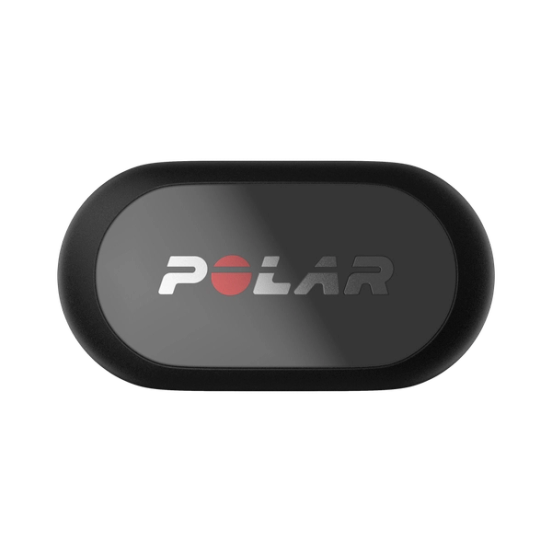

If you prefer to monitor heart rate during structured cardio, the Polar H9 is a chest-strap sensor with Bluetooth and ANT+ connectivity. It can pair with compatible devices and training apps, but check compatibility with your watch or phone before ordering. It is not required for Zone 2 training: the talk test is a useful no-cost starting point, and a heart-rate sensor does not replace medical guidance.
Affiliate disclosure: Great Health Great Fitness may earn a commission from qualifying purchases through this link, at no extra cost to you. Product details, price and availability can change. The product image is from Polar’s official product page.