Great Health Great Fitness

How to Use a Foam Roller: Beginner Routine, Benefits and Safety
Learn how to use a foam roller with a simple beginner routine, realistic benefits, safety tips, and advice for choosing the right roller.
Affiliate disclosure: Great Health Great Fitness may earn a commission from qualifying purchases made through links in this article, at no extra cost to you.
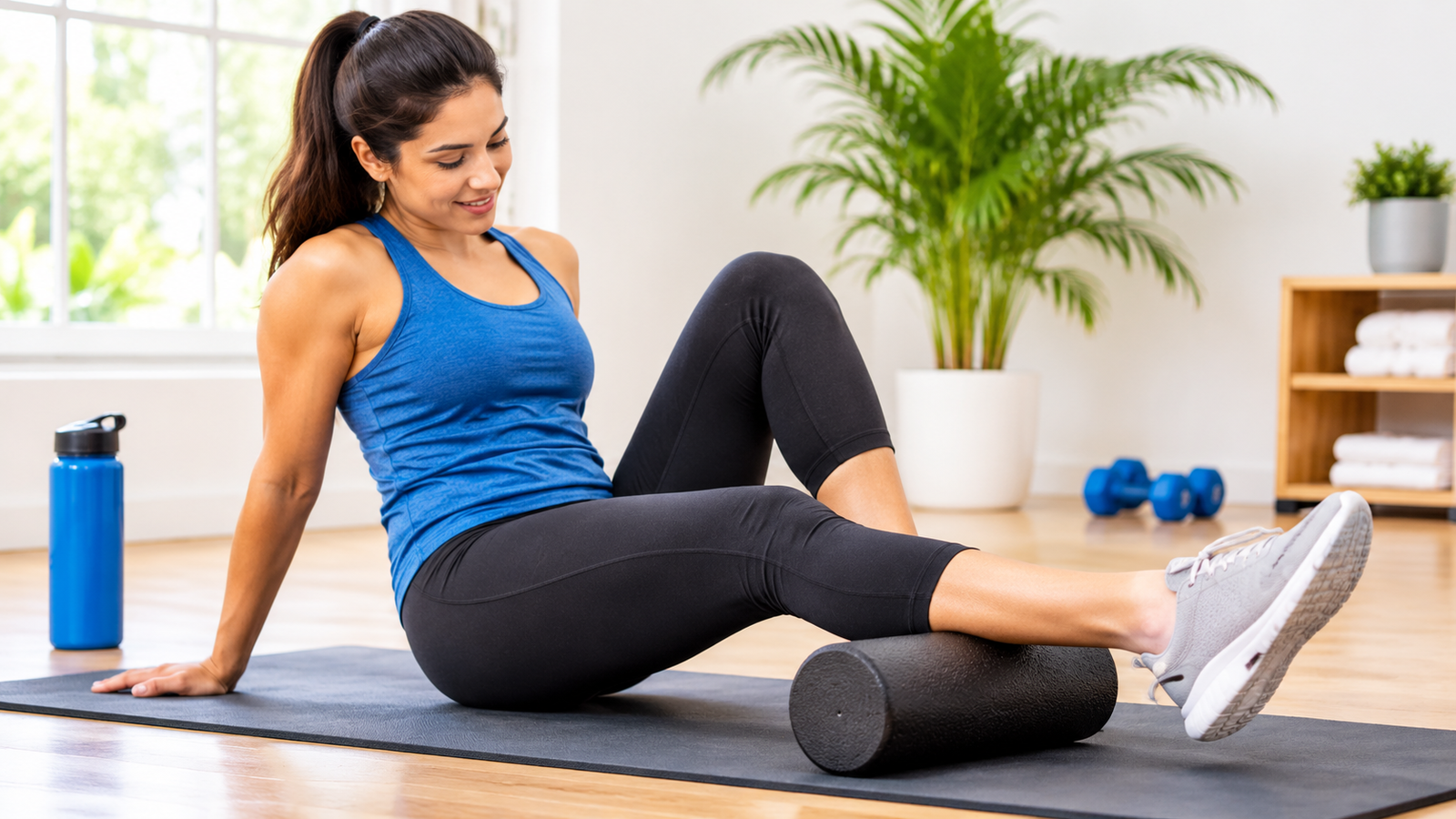
Foam rolling is a form of self-massage that uses a firm foam cylinder to apply pressure to muscles. Many people use it before or after exercise because it may temporarily improve how freely a joint moves and help ease short-term muscle soreness. It is optional, not a requirement for a good workout, and it should never feel sharply painful.
Quick answer
To start, choose a smooth, moderately firm roller and move slowly over a large muscle group for about 30 to 60 seconds. Use comfortable pressure, breathe normally, and avoid joints, bones, the lower back, the front of the neck, and any injured or swollen area. Stop if you feel sharp pain, tingling, numbness, or worsening symptoms.
What does foam rolling do?
Foam rolling is often called self-myofascial release. In practice, it is a form of tool-assisted pressure or massage over soft tissue. Research suggests it can produce short-term improvements in range of motion and may reduce the feeling of soreness or muscle tightness for some people.
It is important to keep the claims realistic. Foam rolling has not been shown to reliably prevent injuries, remove adhesions, or guarantee faster recovery. A 2026 evidence review reported consistent support for immediate range-of-motion improvements and short-term pain reduction, while evidence for injury prevention and performance enhancement remained limited or inconclusive. Read the 2026 review of foam rolling evidence.
Potential benefits of foam rolling
- Temporary mobility gains: Rolling may help you move a joint through a greater range for a short period, which can be useful before a workout.
- Short-term relief from soreness: Some people find gentle rolling makes muscles feel less sore or tense.
- A simple warm-up addition: It can be one part of a warm-up alongside light movement and dynamic exercises.
- Convenient self-massage: A roller is a compact tool that can be used at home, in a gym, or while travelling.
These effects vary from person to person. Foam rolling is not a substitute for strength training, sleep, adequate nutrition, gradual training progression, or appropriate care for an injury.
How to use a foam roller: a beginner routine
Start with a few minutes rather than trying to roll every muscle. Choose one or two areas that feel generally tight after ordinary activity. Move slowly and keep the pressure comfortable.
1. Calves
Sit on the floor with the roller under one calf and your hands supporting your weight. Slowly move from just above the ankle toward the area below the knee. Do not roll directly over the knee joint. Use the other leg or your hands to reduce pressure if needed.
2. Front of the thighs
Lie face down with the roller under the front of your thighs. Support yourself on your forearms and move gently between the hip area and the top of the knee. Keep the roller on the muscle rather than the kneecap or hip bone.
3. Back of the thighs
Sit with the roller under the back of one thigh. Support your body with your hands and move slowly over the muscle. Keep the pressure light at first, especially if the area is sensitive.
4. Upper back
Place the roller across your upper back, support your head with your hands, and keep your hips on or close to the floor. Move a short distance at a time. Avoid rolling directly on your neck or lower back.
5. Gluteal muscles
Sit on the roller and place one ankle over the opposite knee if that position feels comfortable. Shift a little weight toward the side you want to target and make small, controlled movements. Avoid pressing into the tailbone or other bony areas.
For each area, try 30 to 60 seconds at first. There is no need to chase a painful sensation or spend several minutes on one spot. If you are new to exercise, a physical therapist or qualified trainer can show you suitable positions.
When should you foam roll?
You can use gentle rolling as part of a warm-up or cool-down, depending on what feels useful. Before exercise, follow it with a few minutes of easy movement and activity-specific warm-up drills. After exercise, use it only if it feels comfortable. It is not essential to roll every day.
Foam rolling safety: when to avoid it
Do not roll over joints, bones, open wounds, bruises, areas of unexplained swelling, or skin infections. Avoid using a roller on a suspected blood clot, a recent fracture, a significant muscle tear, or an acutely injured area. People with osteoporosis, bleeding disorders, reduced sensation, circulation problems, or significant medical conditions should ask a healthcare professional before using one.
Stop immediately if rolling causes sharp pain, pins and needles, numbness, dizziness, or symptoms that get worse. Mild pressure may feel unusual, but it should remain manageable. Do not use a foam roller to diagnose an injury or delay an assessment for persistent pain.
How to choose a foam roller
- Density: A softer roller may be more comfortable for beginners. A very firm roller can feel intense and is not automatically better.
- Length: Short rollers are easy to store and target smaller areas. Longer rollers provide more support for the back and legs.
- Surface: Smooth rollers are a straightforward starting point. Textured rollers create a different pressure sensation, but extra texture is not required.
- Stability: Choose a roller that holds its shape and does not slip unpredictably on your exercise surface.
A product to consider
Amazon Basics High-Density Foam Roller, 18 Inch
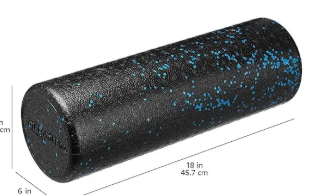
A compact roller for home mobility sessions
This 18-inch high-density foam roller is a compact option for balance, flexibility, and mobility exercises. Its shorter length can be easier to store and carry than a full-length roller. The firm feel may not suit everyone, especially people who prefer gentler pressure, so consider your comfort and experience before choosing it.
View the Amazon Basics 18-Inch Foam Roller on Amazon
Affiliate disclosure: GHGF may earn a commission from qualifying purchases made through this Amazon link, at no extra cost to you. Check the listing for current price, availability, and product details.
Common foam rolling mistakes
- Pressing too hard: More pressure does not mean better results. Start gently and reduce pressure if you tense up or hold your breath.
- Rolling directly over joints: Keep the roller on soft tissue, not knees, ankles, elbows, or the spine.
- Expecting it to fix an injury: Persistent or severe pain needs proper assessment, not repeated pressure.
- Staying on one painful spot: Avoid forcing pressure into a tender area. Move away or stop if discomfort increases.
- Skipping the rest of the warm-up: Rolling alone does not prepare you for every workout. Add light cardio and movement-specific drills.
Frequently asked questions
How long should a beginner foam roll?
Start with 30 to 60 seconds on one area and see how you feel. A short session covering one or two muscle groups is enough to learn the technique. Longer sessions are not automatically more effective.
Should foam rolling hurt?
No. You may notice pressure or mild discomfort, but sharp pain, numbness, tingling, or worsening symptoms are signs to stop or change position.
Can foam rolling prevent muscle soreness?
It may reduce the feeling of soreness for a short time in some people, but it does not reliably prevent delayed-onset muscle soreness or replace sensible training progression and recovery habits.
Is it okay to foam roll every day?
Some people use gentle rolling frequently, but daily use is not necessary. Let comfort and your response guide you, and avoid rolling injured or irritated areas.
Can I foam roll my lower back?
Avoid placing a roller directly under the lower back. If you have back pain, numbness, weakness, or pain that travels down a leg, seek professional advice rather than trying to treat it with a roller.
The bottom line
Foam rolling can be a useful optional tool for short-term mobility and comfort. Start with gentle pressure, keep the roller on large muscle groups, and use it alongside a sensible warm-up and recovery routine. It should feel manageable, not painful, and it is never a replacement for medical care when symptoms need assessment.
Sources and further reading
- Siegel et al. (2026), Effects of foam rolling and the knowledge-to-action gap, BMC Sports Science, Medicine and Rehabilitation
- Harvard Health, Foam roller: Could you benefit from this massage tool?
- Cleveland Clinic, Should You Try Foam Rolling?
- National Academy of Sports Medicine, How to Use a Foam Roller
This article is for general education and is not a substitute for individualized medical advice. If you have an injury or medical condition, ask a qualified healthcare professional whether foam rolling is appropriate for you.