Great Health Great Fitness

Diet: Everything You Should Know
“`html
Diet: Everything You Should Know
In today’s fast-paced world, the word “diet” often comes with misconceptions. For many, it’s synonymous with restriction, weight loss, or temporary eating plans. But in reality, a diet is simply the kinds of food that a person, animal, or community habitually eats. It’s about nourishing your body, fueling your day, and supporting long-term health. Whether you’re looking to improve your energy levels, manage a health condition, or simply eat more mindfully, understanding the fundamentals of a balanced diet is key. This blog post will dive into everything you need to know about diet, from its importance to practical tips for making sustainable changes.
The food you consume directly impacts your physical and mental well-being. A poor diet can lead to chronic diseases like obesity, diabetes, and heart disease, while a nutrient-rich diet can boost immunity, enhance mood, and increase longevity. The goal isn’t perfection but progress—making small, consistent choices that align with your health goals. In this post, we’ll explore the components of a healthy diet, debunk common myths, and provide actionable advice to help you build a sustainable eating plan.
1. The Basics of a Balanced Diet
A balanced diet includes a variety of foods from all major food groups in the right proportions. These groups are:
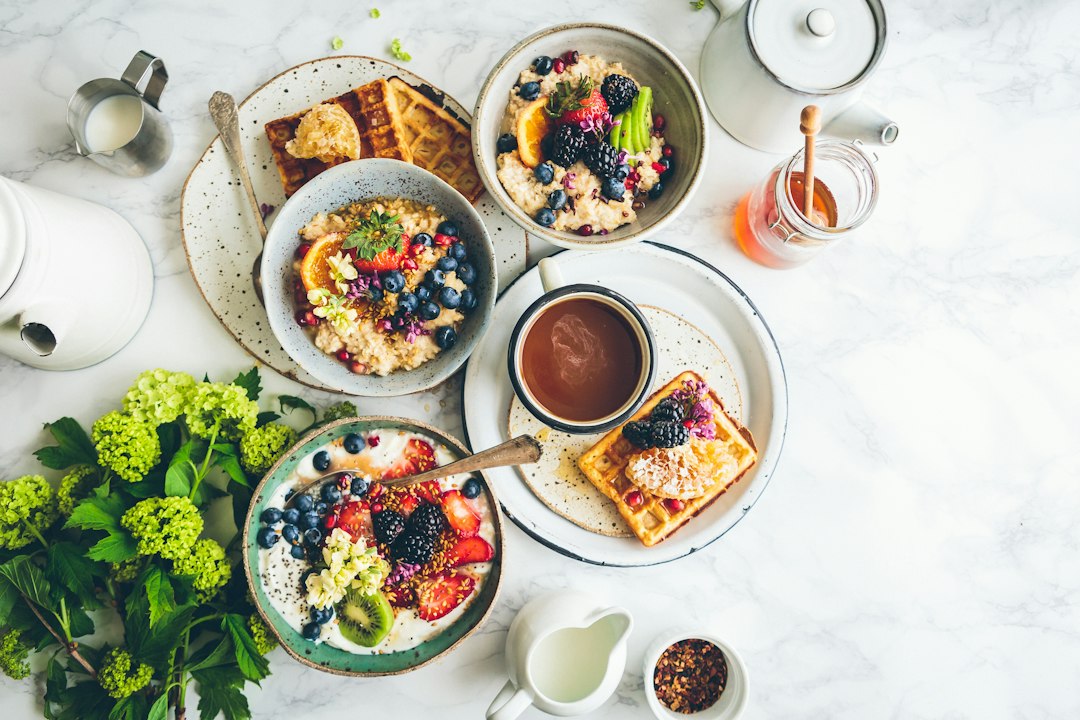
- Fruits and Vegetables: Aim for 5 servings a day. They’re packed with vitamins, minerals, and fiber.
- Proteins: Include lean meats, fish, eggs, beans, and nuts to support muscle repair and growth.
- Whole Grains: Opt for brown rice, quinoa, and whole wheat bread for sustained energy.
- Dairy or Dairy Alternatives: Choose low-fat options for calcium and vitamin D.
- Healthy Fats: Incorporate avocados, olive oil, and nuts for heart health.
Portion control is also crucial. Listening to your body’s hunger and fullness cues can prevent overeating.
2. Debunking Common Diet Myths
The world of nutrition is flooded with misinformation. Here are some myths to ignore:
- Myth 1: Carbs are bad for you. Reality: Not all carbs are created equal. Whole grains provide essential nutrients and energy.
- Myth 2: Skipping meals helps with weight loss. Reality: Skipping meals can slow metabolism and lead to overeating later.
- Myth 3: Fat-free foods are healthier. Reality: Many fat-free products are high in sugar and lack essential nutrients.
Focus on evidence-based advice and consult a registered dietitian for personalized guidance.
3. The Role of Hydration and Mindful Eating
Hydration is often overlooked but is essential for digestion, nutrient absorption, and overall health. Aim for 8-10 cups of water daily, and more if you’re active or in a hot climate. Mindful eating is another powerful tool. It involves:
- Eating without distractions (e.g., TV or phone)
- Chewing slowly and savoring each bite
- Paying attention to hunger and fullness signals
This practice can improve digestion and foster a healthier relationship with food.
4. Practical Tips for a Sustainable Diet
Making lasting changes doesn’t require a complete overhaul. Start with these actionable steps:
- Plan Ahead: Prepare meals and snacks to avoid unhealthy choices.
- Shop Smart: Stick to a grocery list and shop the perimeter of the store for whole foods.
- Cook at Home: Homemade meals are often healthier and more cost-effective.
- Track Progress: Keep a food journal to identify patterns and areas for improvement.
- Be Flexible: Allow yourself treats in moderation to avoid feelings of deprivation.
5. The Connection Between Diet and Mental Health
What you eat also affects your brain. A diet rich in omega-3 fatty acids, antioxidants, and probiotics can improve mood and cognitive function. Foods like fatty fish, berries, and yogurt are excellent choices. On the flip side, high sugar and processed foods can exacerbate anxiety and depression. Prioritize nutrient-dense foods to support both your body and mind.
Conclusion: Take the First Step Toward a Healthier You
A healthy diet isn’t about following the latest trend—it’s about making informed, sustainable choices that nourish your body and mind. Start small, whether it’s adding more vegetables to your plate, drinking more water, or practicing mindful eating. Remember, progress takes time, and every positive change counts. Ready to transform your eating habits? Begin today by incorporating one new habit from this post. Your future self will thank you.
Call-to-Action: Share your favorite healthy recipe or diet tip in the comments below! Let’s inspire each other to make healthier choices.
“`
Recommended Products:
Looking for quality healthy living products? Check out our recommended healthy living gear and supplements on CJ Affiliate.
Related reading
Medical disclaimer: This content is for general information only and is not a substitute for professional medical advice, diagnosis or treatment. Consult a qualified doctor or dietitian before changing your diet, exercise or supplements.