



Could High Cholesterol Be Hiding in Your Kitchen?
Picture this: You’re whipping up a delicious dinner, sautéing some rich, buttery shrimp in a sizzling pan. The aroma fills your kitchen, and you feel a sense of accomplishment. But as you enjoy your meal, a nagging thought creeps into your mind—what about your cholesterol levels? You’re not alone in this concern. Cholesterol can feel like a silent specter, lurking behind the scenes of our health, but its impact on heart health is significant. Today, we’re going to dive deep into the world of cholesterol, uncover its myths and facts, and explore effective management strategies that can keep your heart happy.
Understanding Cholesterol: The Good and the Bad
Cholesterol is a waxy substance found in your blood, essential for building healthy cells. Contrary to popular belief, not all cholesterol is bad. It falls into two main categories:
- Low-Density Lipoprotein (LDL): Often dubbed *bad cholesterol*, high levels can lead to plaque buildup in your arteries, increasing the risk of heart disease.
- High-Density Lipoprotein (HDL): Referred to as *good cholesterol*, HDL helps remove other types of cholesterol from your bloodstream, acting like a protective shield for your heart.
When your doctor discusses cholesterol, they typically refer to the balance between these two types. An imbalance, especially a high level of LDL, can lead to serious health issues.
Myths That Mislead
With so much information swirling around, it’s easy to get caught up in misconceptions. Here are a few common myths about cholesterol that can lead you astray:
- Myth 1: All cholesterol is bad.
- As mentioned, HDL is beneficial, and having a higher level of it can lower your risk of heart disease.
- Myth 2: You can’t eat any cholesterol if you have high levels.
- Your body produces cholesterol naturally, and dietary cholesterol’s effect on blood cholesterol levels varies by individual. Focus on saturated and trans fats instead.
- Myth 3: Only older adults need to worry about cholesterol.
- High cholesterol can affect individuals of all ages, so it’s wise to get your levels checked regularly.
Understanding these myths is crucial for making informed decisions about your health.
The Symptoms of High Cholesterol: What to Watch For
High cholesterol usually causes no symptoms. Headaches, fatigue, chest discomfort or leg pain are not reliable signs that cholesterol is high. A blood test called a lipid panel is the way to measure total cholesterol, LDL, HDL and triglycerides. Chest pain or stroke symptoms require urgent medical assessment, but they do not diagnose cholesterol levels.
- Chest Pain: This can occur when your heart muscle doesn’t get enough oxygen-rich blood.
- Shortness of Breath: If you find it hard to catch your breath during simple activities, it might be time to talk to your doctor.
- Fatty Deposits: Yellowish patches on your skin or around your eyes can indicate cholesterol buildup.
Don’t dismiss these symptoms as mere aging or fatigue. Ignoring them can have serious consequences.
The Role of Diet in Cholesterol Management
Your diet plays a critical role in managing cholesterol levels. Here are some effective strategies you can adopt:
- Incorporate Heart-Healthy Foods: Emphasize fruits, vegetables, whole grains, and fatty fish like salmon. These foods are high in fiber and healthy fats, promoting good cholesterol levels.
- Limit Saturated and Trans Fats: Reducing intake of red meat, full-fat dairy products, and processed foods can significantly lower your LDL levels.
- Choose Healthy Fats: Use olive oil and avocado instead of butter or margarine. Nuts and seeds also provide beneficial fats.
Making these dietary changes isn’t about deprivation; it’s about creating a vibrant and delicious way of eating that supports your heart. Remember, small changes can lead to big results over time.
Effective Lifestyle Changes Beyond Diet
While a healthy diet is pivotal, other lifestyle changes can further enhance your heart health:
- Regular Exercise: Aim for at least 150 minutes of moderate aerobic activity each week. Activities like walking, swimming, and cycling can improve your cholesterol levels.
- Maintain a Healthy Weight: Losing as little as 5-10% of your body weight can improve cholesterol levels and reduce heart disease risk.
- Quit Smoking: If you smoke, seek help to quit. Your HDL levels can improve significantly after quitting.
- Limit Alcohol: Moderate alcohol consumption can potentially raise HDL levels, but excessive drinking can lead to other health issues.
These lifestyle changes can be empowering. They put you in the driver’s seat of your health journey.
When to Consult a Healthcare Provider
When and how often to check cholesterol depends on age, family history, prior results, diabetes, blood pressure, smoking and other cardiovascular risk factors. A healthcare professional can recommend an appropriate screening interval. Do not assume the same four-to-six-year schedule is right for everyone.
Always discuss your concerns with a healthcare provider, particularly if you experience any symptoms mentioned earlier. Don’t wait for a crisis to seek help.
Understanding Medications and Their Role
Depending on LDL level and overall cardiovascular risk, a clinician may recommend a statin or another lipid-lowering medicine alongside lifestyle measures. Do not stop or change prescribed medication without discussing it with the prescriber. The benefit of treatment depends on the person’s risk profile and medical history.
If you’re prescribed medication, adhere to your doctor’s instructions and discuss any potential side effects. Your health is a partnership between you and your healthcare provider.
Staying Informed and Proactive
The journey to managing cholesterol levels is ongoing. Staying informed about the latest research, understanding your body, and being proactive about your health is vital. Subscribe to health blogs, attend community health fairs, or join local support groups. Connecting with others can provide additional motivation and resources.
Being aware of your cholesterol levels is key to maintaining heart health. Remember, high cholesterol is not a battle you have to face alone. You have the power to make changes that can lead to a healthier, happier life.
Final Thoughts: Your Heart Deserves Care
Taking charge of your heart health is a journey filled with learning and growth. By understanding cholesterol, dispelling myths, and adopting effective management strategies, you can pave the way for a healthier future. Remember, it’s not just about adding years to your life; it’s about adding life to your years. Your heart deserves the best care possible, and you have the tools to provide it.
Sources and further reading
The Heart Healthy Cookbook for Two
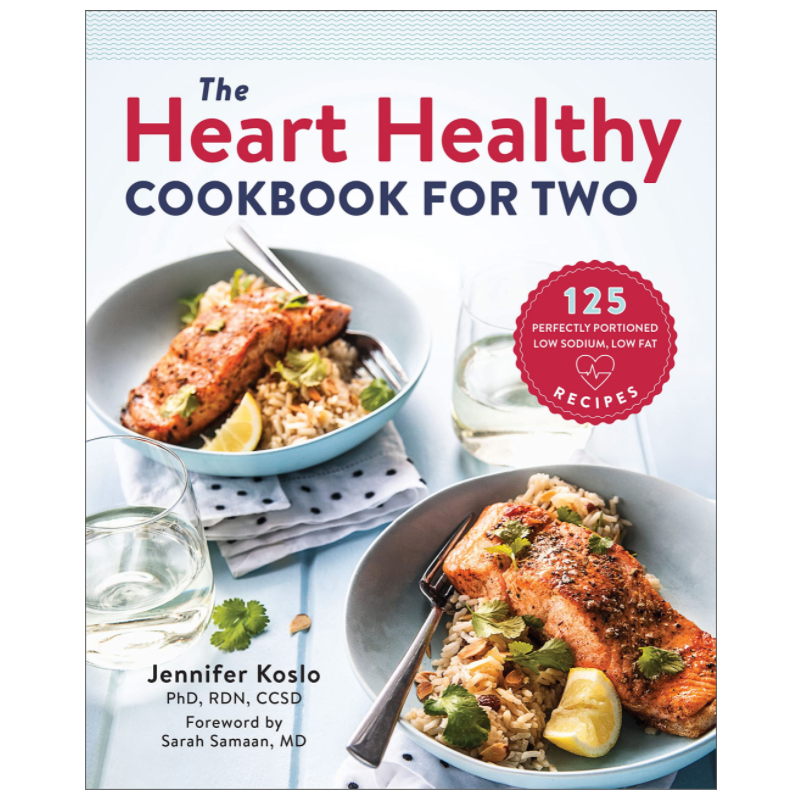

125 low-sodium, lower-fat recipes planned for two
The Heart Healthy Cookbook for Two by Jennifer Koslo includes 125 recipes and a four-week meal plan. It can provide meal ideas, but it is not an individual medical nutrition prescription. If you have heart failure, kidney disease, diabetes or other dietary needs, adapt recipes with advice from your healthcare team.
View The Heart Healthy Cookbook for Two on Amazon
Affiliate disclosure: GHGF may earn a commission from qualifying purchases made through this Amazon link, at no extra cost to you.
This article is for general informational purposes only and is not medical advice. It is not a substitute for professional medical diagnosis, treatment, or care. Always consult a qualified healthcare provider with any questions about a medical condition or before making changes to your health routine.