

Are You at Risk? The Silent Threat of Hypertension
Imagine this: you’re feeling fine, going through your daily routine, when your doctor casually mentions that your blood pressure is higher than it should be. You might shrug it off, thinking it’s just a number, but what if that number is a serious warning? Hypertension, often called the silent killer, affects millions and can lead to severe health complications if left unchecked.
What Is Hypertension?
Hypertension, or high blood pressure, is a chronic condition where the force of the blood against the walls of your arteries is consistently too high. This can lead to damage in your arteries, heart, and other organs over time. Despite being prevalent, many individuals remain unaware of their status, as hypertension typically shows no obvious symptoms until significant damage has occurred.
Understanding the Initial Evaluation
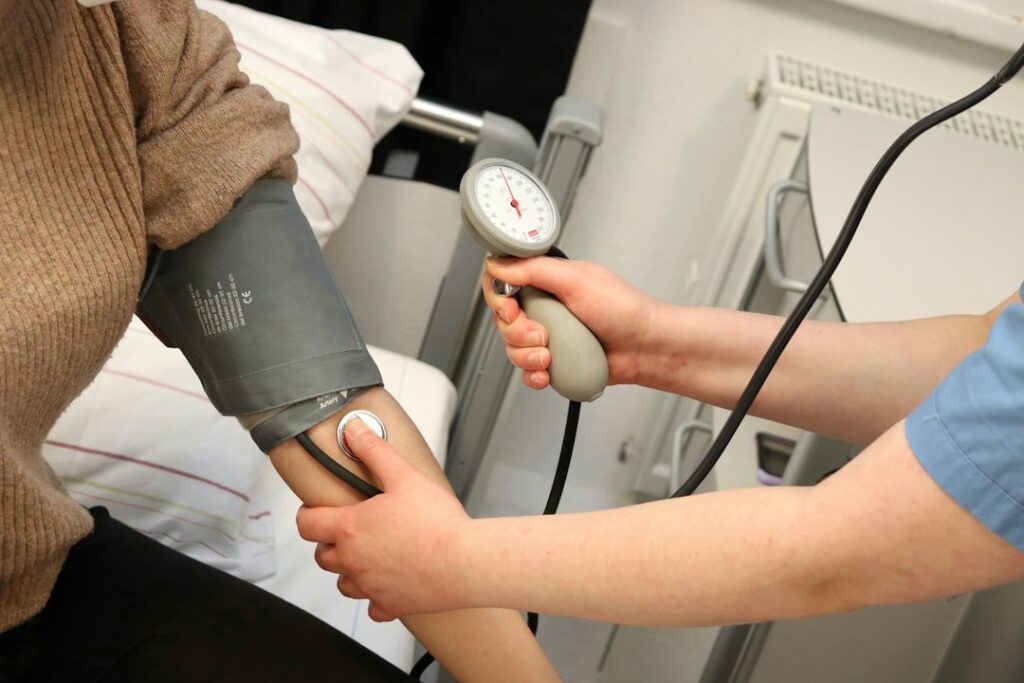
According to the American Academy of Family Physicians, the initial evaluation of hypertension involves several important steps. First, your healthcare provider will measure your blood pressure using a sphygmomanometer, ensuring that readings are taken at multiple visits for accuracy.
Key Factors in Evaluation
- **Medical History**: Your doctor will ask about your medical history, including any existing conditions and medications.
- **Lifestyle Factors**: They’ll likely inquire about your diet, exercise habits, and whether you smoke or consume alcohol.
- **Family History**: Since hypertension can run in families, understanding your family’s health history is crucial.
- **Additional Tests**: In some cases, additional tests like blood tests or an EKG may be necessary to assess overall heart health.
Why Management Is Crucial
Effective management of hypertension is essential not just for lowering blood pressure but for preventing severe complications such as heart attacks and strokes. It’s a multifaceted approach that may involve lifestyle changes, regular monitoring, and possibly medication.
Managing Your Blood Pressure: Key Strategies
Maintain a Balanced Diet: A diet rich in fruits, vegetables, whole grains, and low-fat dairy can significantly lower blood pressure. The DASH (Dietary Approaches to Stop Hypertension) diet is particularly effective.
Stay Active: Regular physical activity can help lower your blood pressure. Aim for at least 150 minutes of moderate aerobic activity each week.
Limit Alcohol and Quit Smoking: Reducing alcohol intake and quitting smoking can improve your overall heart health and lower blood pressure.
Manage Stress: Stress can contribute to elevated blood pressure levels, so incorporating relaxation techniques such as yoga or meditation can be beneficial.
Recognizing the Symptoms
While hypertension is often symptomless, it can manifest through various signs as the condition progresses. You should be aware of potential symptoms including:
- Headaches
- Shortness of breath
- Nosebleeds
- Flushing
- Chest pain
- Visual changes
If you experience any of these symptoms, it’s critical to consult your healthcare provider immediately.
Regular Monitoring: Your Best Defense
Even if you don’t have symptoms, regular blood pressure checks can be life-saving. This is particularly vital for individuals over the age of 40 or those with risk factors such as obesity or a family history of hypertension. Home monitoring devices are widely available and can empower you to keep track of your blood pressure in between doctor visits.
When to Seek Immediate Help
If your blood pressure readings consistently show values at or above 180/120 mmHg, seek emergency medical assistance. This could indicate a hypertensive crisis, which requires urgent treatment to avoid serious health consequences.
Understanding Treatment Options
Should lifestyle modifications alone be insufficient, your healthcare provider may prescribe medication to help manage your blood pressure. Various classes of medications are available, each with unique mechanisms of action:
- Diuretics: Help your body eliminate excess sodium and water, reducing blood volume.
- ACE inhibitors: Help relax blood vessels by blocking the formation of a hormone that causes them to constrict.
- Calcium channel blockers: Prevent calcium from entering the cells of the heart and blood vessels, leading to decreased heart rate and blood pressure.
- Beta-blockers: Reduce the heart rate and the heart’s workload.
It’s important to work closely with your healthcare provider to find the right medication regimen suitable for your specific situation.
Empower Yourself: Education and Advocacy
Understanding hypertension is the first step toward effective management. It empowers you to take control of your health and make informed decisions. Joining support groups or advocacy organizations can provide valuable resources, community, and encouragement on your journey.
Engage with Your Healthcare Provider
Don’t hesitate to ask questions during your appointments. Whether it’s about your treatment plan, lifestyle changes, or clarification on your blood pressure readings, your healthcare provider is there to help you navigate your health journey.
Final Thoughts: Take Charge of Your Health
Hypertension is a serious condition, but with the right management strategies, you can lead a healthy life. Keep track of your blood pressure, make necessary lifestyle changes, and consult with your healthcare provider regularly. Remember, knowledge is power—the more you know about hypertension, the better equipped you are to manage it effectively.
This article is for general informational purposes only and is not medical advice. It is not a substitute for professional medical diagnosis, treatment, or care. Always consult a qualified healthcare provider with any questions about a medical condition or before making changes to your health routine.