Great Health Great Fitness
Emerging Infectious Diseases: Strategies for a Safer Future Amidst COVID-19 Aftermath
Explore strategies for preventing and controlling emerging infectious diseases in a post-COVID world. Your role in global health matters!
Understanding Emerging Infectious Diseases in a Post-COVID World
Imagine walking through a bustling market, surrounded by the vibrant colors and sounds of daily life. Suddenly, news flashes across your phone: a new outbreak of an infectious disease has been reported in a neighboring country. Your heart races as you wonder how this could affect your community. You’re not alone in feeling anxious; the reality is that emerging and reemerging infectious diseases are a growing concern worldwide.
In the wake of the COVID-19 pandemic, headlines like “Emerging and reemerging infectious diseases: global trends and new strategies for their prevention and control” have become a sobering reminder of the vulnerabilities in our health systems. With COVID-19 still fresh in our minds, it’s crucial to understand not just the challenges but also the strategies we can adopt to prevent future outbreaks.
The Landscape of Emerging Infectious Diseases
Emerging infectious diseases, such as the latest strains of influenza, coronaviruses, and vector-borne diseases, are not new, but their prevalence is increasing. According to studies published in Nature, factors like global travel, climate change, and urbanization contribute to this rise. For instance, the spread of Zika virus in 2015-2016 exemplifies how quickly a previously unknown virus can emerge and lead to global health crises.
But what about diseases that are reemerging? Conditions like tuberculosis and measles—once thought to be under control—are experiencing a resurgence due to factors like vaccine hesitancy and healthcare disruptions caused by the pandemic. The World Health Organization (WHO) has reported that measles cases surged by over 500% in 2019, signaling a crucial need for renewed vaccination efforts.
Why We Need New Strategies
As emerging infectious diseases continue to develop, traditional public health strategies must evolve. The COVID-19 pandemic highlighted the importance of rapid response systems, testing, and contact tracing. New strategies should build upon these lessons learned.
Here are some innovative approaches currently being explored:
- Enhanced Surveillance Systems: Modern technology allows for real-time monitoring of disease outbreaks. By utilizing data analytics and artificial intelligence, health officials can predict and respond to potential outbreaks more effectively.
- Global Collaboration: Infectious diseases don’t respect borders. International cooperation is essential for sharing data, resources, and expertise. Organizations like the Coalition for Epidemic Preparedness Innovations (CEPI) are working to ensure equitable access to vaccines and treatments globally.
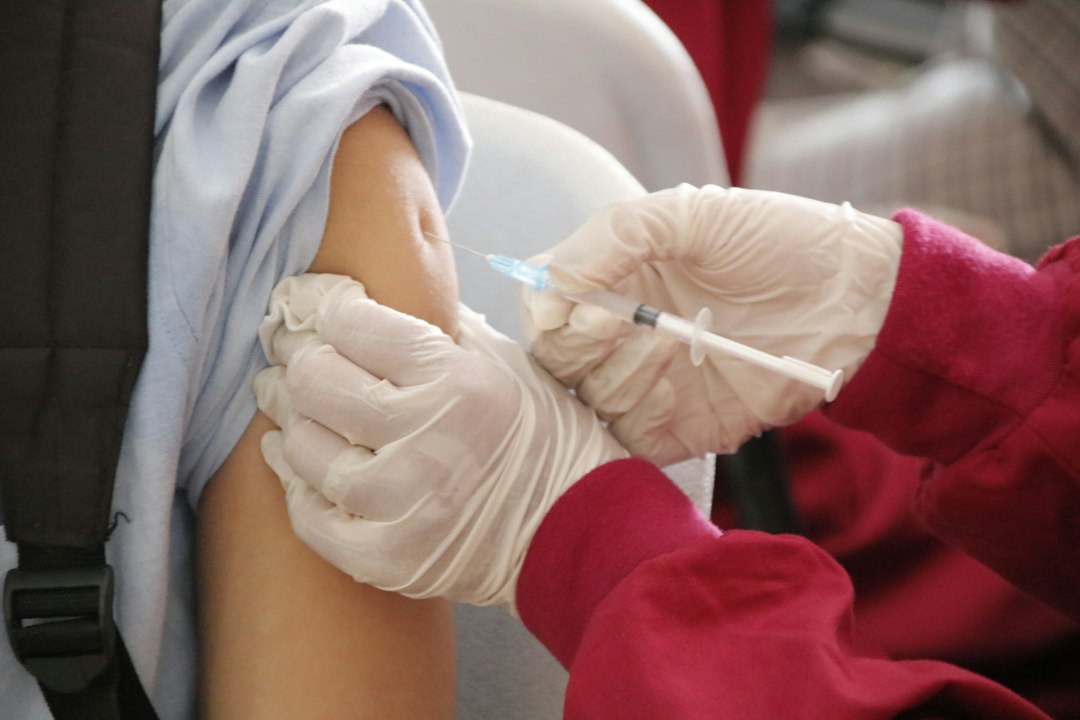
- Vaccine Innovations: mRNA technology, which was instrumental in the rapid development of COVID-19 vaccines, is now being explored for other infectious diseases. This could revolutionize how we respond to outbreaks in the future.
The Role of Public Awareness and Education
But technology alone won’t solve the problem. Educating the public about preventive measures is equally crucial. Knowledge is power, and understanding how to protect ourselves and our communities can be the first line of defense against emerging infectious diseases.
Consider these practical tips for staying informed and engaged:
- Stay Informed: Regularly check reliable sources for information about disease outbreaks and health recommendations.
- Promote Vaccination: Encourage friends and family to stay current with vaccinations, especially as new vaccines become available.
- Practice Good Hygiene: Simple measures like handwashing and using masks when necessary can significantly reduce disease transmission.
Community Resilience in the Face of Outbreaks
Communities play a vital role in containing outbreaks. Engaging local organizations, healthcare workers, and volunteers can create a robust network for information dissemination and resource sharing. For example, grassroots movements have proven effective in increasing vaccination rates in underserved areas.
Building resilience also means preparing for the unknown. Investing in healthcare infrastructure, especially in under-resourced communities, is essential for managing potential outbreaks effectively. The pandemic taught us that access to healthcare is not just a privilege; it’s a necessity for survival.
The Role of Policy and Governance
Government action is critical for addressing the challenges posed by emerging infectious diseases. Policymakers must prioritize public health funding and create laws that support disease prevention initiatives. Without strong political will, many of these strategies will falter.
Additionally, global health governance is essential. Organizations need to reinforce international regulations that dictate how countries respond to outbreaks, ensuring that no nation acts in isolation. The International Health Regulations (IHR) is a framework that provides guidelines for countries during public health emergencies.
A Call for Collective Action
You have a role to play in this collective effort. Whether it’s advocating for sound public health policies, participating in community health programs, or simply educating yourself and others, your actions can contribute to a safer future.
As we navigate the complexities of emerging and reemerging infectious diseases, we must remember that prevention and control are only as strong as the communities that support them. Each of us has the power to influence change and foster a culture of health and safety.
In conclusion, the emergence of new infectious diseases post-COVID-19 is both a challenge and an opportunity for growth. By staying informed, supporting public health initiatives, and embracing innovative strategies, we can build a world that is better equipped to face the threats of tomorrow. Let’s not just react to crises; let’s be proactive in our approach to health.
This article is for general informational purposes only and is not medical advice. It is not a substitute for professional medical diagnosis, treatment, or care. Always consult a qualified healthcare provider with any questions about a medical condition or before making changes to your health routine.