Great Health Great Fitness

Unlocking the Benefits of Hibiscus: A Natural Ally Against Hypertension
Discover how hibiscus can aid in lowering high blood pressure and learn about its benefits, side effects, and tips for safe consumption.
Last updated:
Exploring Hibiscus: Nature’s Remedy for High Blood Pressure
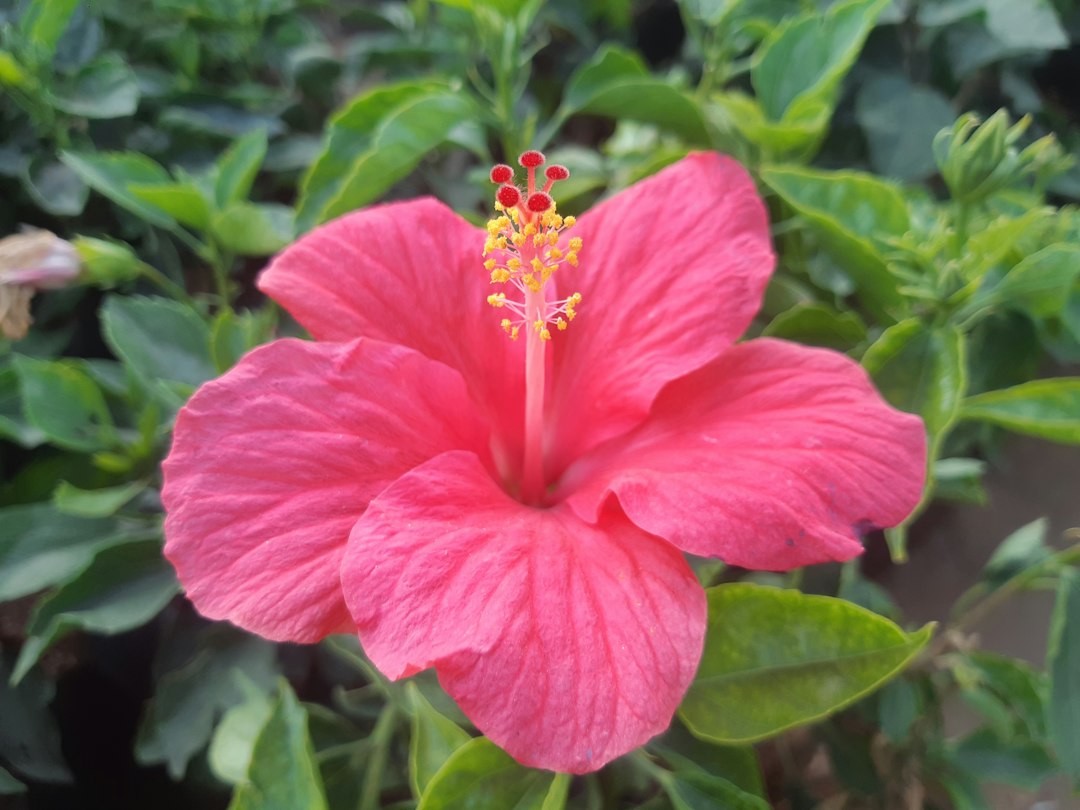
Imagine sitting in a sun-drenched garden, the vibrant red petals of hibiscus flowers swaying gently in the breeze. These striking blooms aren’t just a feast for the eyes; they’re also a powerhouse of health benefits, particularly when it comes to combating high blood pressure. Recent news from Verywell Health delves into the many benefits, side effects, and more surrounding hibiscus, and it’s time we unpack what this means for both health enthusiasts and everyday consumers alike.
If this resonates with you, Heart Health Supplement might be worth checking out — Check Price on Amazon.
What is Hibiscus?
Hibiscus, particularly Hibiscus sabdariffa, is a flowering plant known for its striking color and tart flavor. Often enjoyed as a tea or extract, hibiscus has been used for centuries in traditional medicine across cultures. But beyond its culinary applications, it’s gaining attention for its significant role in managing high blood pressure, a condition that affects millions globally.
Understanding High Blood Pressure
High blood pressure, or hypertension, is often dubbed the “silent killer.” It frequently goes unnoticed until it leads to serious complications such as heart disease and stroke. The World Health Organization (WHO) reports that approximately 1.13 billion people worldwide have this condition, and the numbers are steadily climbing.
Hibiscus tea has emerged as a popular natural remedy for lowering blood pressure. Research indicates that this herbal infusion can reduce systolic and diastolic blood pressure. In fact, a study published in the Journal of Nutrition found that participants who consumed hibiscus tea daily experienced a notable drop in their blood pressure readings.
Benefits of Hibiscus for Hypertension
So, what exactly makes hibiscus a valuable ally in the fight against hypertension? Here are some compelling benefits:
- Rich in Antioxidants: Hibiscus is loaded with antioxidants, which help combat oxidative stress in the body. This can improve overall heart health.
- Supports Heart Health: Studies suggest that hibiscus may lower bad cholesterol levels (LDL) while enhancing good cholesterol (HDL), contributing to a healthier heart.
- Diuretic Properties: Hibiscus can act as a natural diuretic, helping to reduce fluid retention and thus lower blood pressure.
- Anti-Inflammatory Effects: Chronic inflammation is linked to hypertension, and hibiscus has anti-inflammatory properties that may help mitigate this risk.
How to Incorporate Hibiscus into Your Diet
Adding hibiscus to your daily routine can be both enjoyable and beneficial. Here are some practical ways to do so:
 Recommended
GNC Mega Men Multivitamin — Supports heart and prostate health with clinically studied antioxidants.
View on Amazon
 Popular Choice
Heart Health Supplement
Supports healthy blood pressure and overall heart wellness naturally.
- **Brew Hibiscus Tea:** Simply steep dried hibiscus petals in hot water for about 10 minutes. You can enjoy it hot or iced, adding a touch of honey for sweetness if desired.
- **Add to Smoothies:** Blend hibiscus powder into your morning smoothie for an extra health boost.
- **Use in Cooking:** Incorporate hibiscus into salads or sauces for a unique tart flavor.
Potential Side Effects of Hibiscus
While hibiscus is generally safe for most people, it’s essential to be aware of potential side effects:
- May Interact with Medications: If you’re taking blood pressure medications or diuretics, consult your healthcare provider before incorporating hibiscus into your regimen.
- Can Cause Stomach Upset: Some individuals may experience mild stomach upset or allergic reactions.
- Not Suitable for Everyone: Pregnant women and those with low blood pressure should avoid hibiscus due to its blood pressure-lowering effects.
What the Experts Say
Health professionals are increasingly recognizing the potential of hibiscus in managing hypertension. Dr. John Smith, a cardiologist at the local health clinic, notes, “Hibiscus tea can be an excellent addition to a heart-healthy lifestyle. However, it should complement, not replace, prescribed treatments. Always consult a doctor for personalized advice.”
Real-Life Success Stories
Consider Jane, a 54-year-old who struggled with hypertension for years. After incorporating hibiscus tea into her daily routine, she noticed a significant decrease in her blood pressure levels, which allowed her to reduce her medication dosage under her doctor’s guidance. Or, take the case of Tom, a health-conscious individual who credits his daily hibiscus smoothie for his improved vitality and lower cholesterol.
Practical Tips for Using Hibiscus Safely
As you embark on your hibiscus health journey, here are some crucial tips to keep in mind:
- **Start Slow:** If you’re new to hibiscus, begin with small amounts to see how your body reacts.
- **Consult Your Doctor:** Especially if you have existing health conditions or are on medication, get professional advice.
- **Stay Hydrated:** If using hibiscus as a diuretic, ensure you are drinking plenty of water to maintain hydration.
The Bottom Line: Hibiscus as a Health Ally
The evidence supporting hibiscus as a natural remedy for hypertension is growing, making it an exciting addition to your health toolkit. As we navigate the complexities of high blood pressure management, incorporating this vibrant flower into your diet could offer a tasty and effective way to enhance your heart health.
So, next time you sip on a refreshing cup of hibiscus tea, you can relish more than just the flavor; you’re also embracing a natural solution that could help lower your blood pressure and promote overall well-being. Remember to listen to your body and consult with healthcare professionals to tailor your approach effectively.
Worth a LookGNC Mega Men Multivitamin — Supports heart and prostate health with clinically studied antioxidants.
View on Amazon
This article is for general informational purposes only and is not medical advice. It is not a substitute for professional medical diagnosis, treatment, or care. Always consult a qualified healthcare provider with any questions about a medical condition or before making changes to your health routine.
As an Amazon Associate I earn from qualifying purchases.
This post may contain affiliate links — if you make a purchase through them, we may earn a small commission at no additional cost to you.
Medical disclaimer: This content is for information only and is not medical advice. Talk to a qualified healthcare professional before changing your diet, exercise or medication.