Great Health Great Fitness

The Breakfast Debate: Unpacking How Skipping Your Morning Meal Affects Metabolic Health
Exploring the impact of skipping breakfast on metabolic health and how it relates to metabolic syndrome.

Last updated:
The Breakfast Conundrum: What’s at Stake?
Imagine waking up to your alarm blaring, the sun just peeking through your curtains. You’re running late, and the thought of breakfast barely crosses your mind as you rush out the door. Sound familiar? While skipping breakfast may seem like a harmless time-saver, recent discussions, particularly in light of the headline from Medical News Today, pose a critical question: Does skipping breakfast negatively impact metabolic health?
Quick tip: many readers have found GLP-1 Probiotic Supplement genuinely helpful here — See Latest Price.
In this blog post, we’ll dive deep into this contentious subject and explore the implications of breakfast on our well-being, focusing particularly on metabolic health. This issue is more than just a matter of personal preference; it could be a pivotal factor in shaping outcomes for those at risk of metabolic syndrome.
Understanding Metabolic Health
Before we plunge into the breakfast debate, let’s clarify what metabolic health actually entails. Metabolic health refers to how well our bodies convert food into energy and maintain various bodily functions. It encompasses key indicators like blood sugar levels, cholesterol numbers, and blood pressure. When these markers are off-kilter, it can lead to conditions such as obesity, type 2 diabetes, and cardiovascular disease.
Now, with the increasing prevalence of metabolic syndrome—affecting around a third of U.S. adults—it’s more crucial than ever to examine every aspect of our lifestyle, including meal timing and frequency.
The Science Behind Breakfast
So, what does the research say about breakfast and metabolic health? A growing body of evidence suggests that eating a nutritious breakfast can positively influence various metabolic markers. In a recent study, researchers found that individuals who regularly consume breakfast tend to have better insulin sensitivity and lower levels of triglycerides compared to those who skip it.
But why is breakfast so important? It appears that the act of breaking the fast after a night’s sleep can kickstart your metabolism, leading to improved energy levels and better overall functioning throughout the day. For instance, those who consume a balanced breakfast—rich in protein and fiber—are less likely to experience mid-morning cravings, reducing the likelihood of unhealthy snacking later.
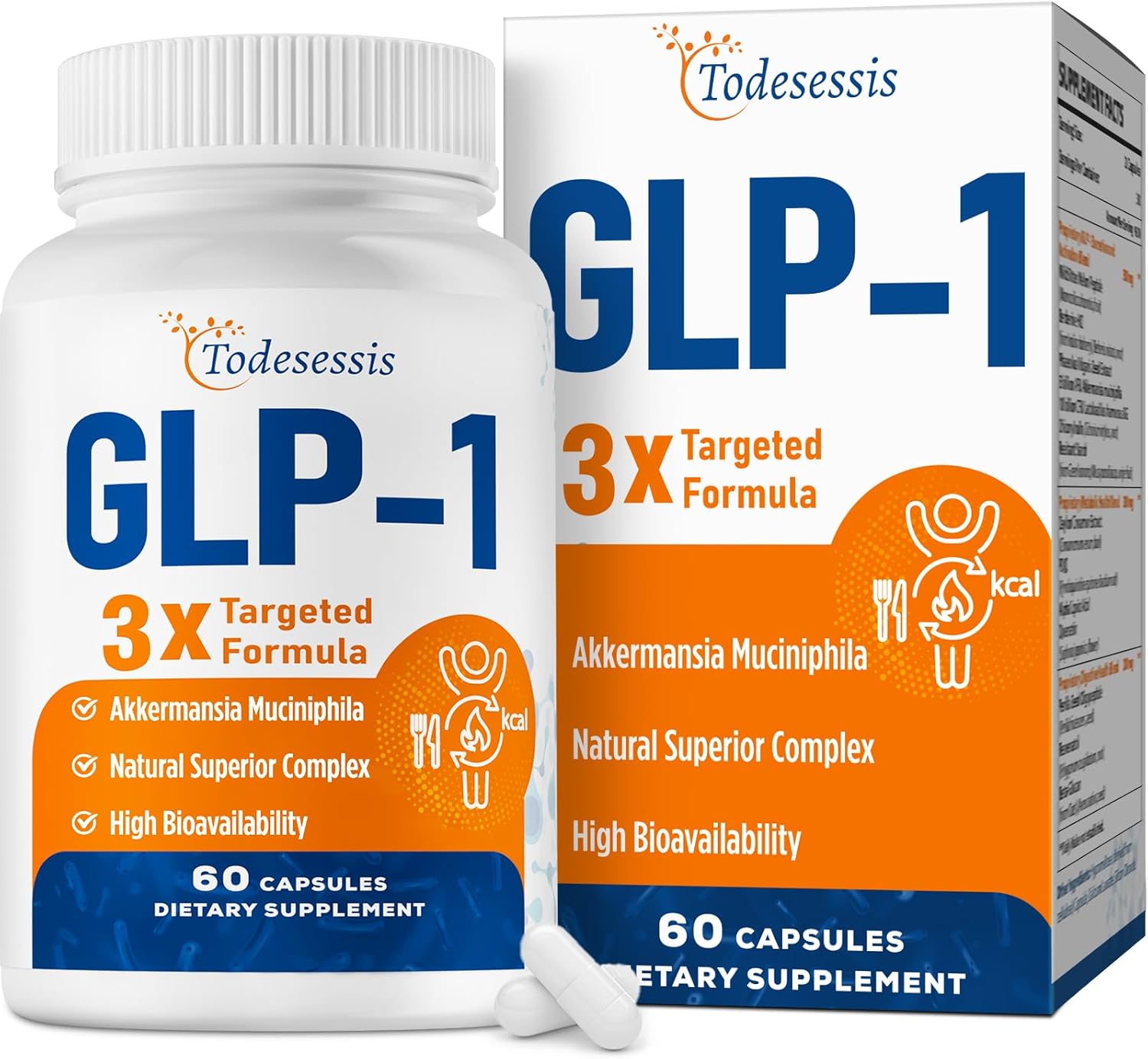 Worth a Look
GLP-1 Probiotic Supplement
Supports metabolism and gut health with a unique probiotic blend.
 Popular Choice
Balance of Nature Supplement — Supports daily nutrition with whole fruit and vegetable ingredients.
Check Price on Amazon
However, the conversation doesn’t stop here. Studies have also shown that for some individuals, particularly those who are intermittent fasting or practicing time-restricted eating, skipping breakfast may not carry the same negative consequences. This brings us to the crux of the debate: is breakfast universally beneficial, or does it depend on individual lifestyle choices?
Individual Differences Matter
We must consider that metabolic health is highly individualized. Factors such as age, activity level, and personal health history can influence how your body responds to meal timing. For instance, a physically active person may benefit more from a substantial breakfast to fuel their day, while someone with a sedentary lifestyle might not feel the same impact.
Moreover, skipping breakfast can have varying effects based on the composition of one’s overall diet. A person who eats healthily throughout the day may manage just fine without a morning meal, while someone who leans toward processed foods might find that skipping breakfast leads to poorer dietary choices later on.
The Connection Between Breakfast and Metabolic Syndrome
Given the alarming rates of metabolic syndrome, it’s essential to consider how breakfast fits into the bigger picture. As we’ve established, skipping breakfast can lead to a cascade of energy imbalances. Imagine this: without breakfast, you might find yourself grappling with fatigue and irritability by mid-morning. You’re more likely to reach for sugary snacks or caffeine, which can exacerbate insulin resistance.
Insulin resistance is a key component of metabolic syndrome, and by neglecting breakfast, you could be setting yourself up for long-term health issues. Some researchers even suggest that a lack of breakfast might contribute to weight gain, as it can lead to increased caloric intake later in the day.
Additionally, studies indicate that those who regularly skip breakfast may experience higher levels of inflammation, a factor often associated with chronic diseases. By fueling your body with a nutritious breakfast, you may be taking a proactive step in reducing this inflammation.
Best Practices for Breakfast
If you’re convinced of the benefits of breakfast but unsure of where to start, worry not! Here are some key tips to optimize your morning meal:
- Prioritize Protein: Incorporate sources like eggs, Greek yogurt, or nut butter to keep you feeling full.
- Don’t Forget Fiber: Whole grains, fruits, and vegetables can help manage blood sugar levels.
- Stay Hydrated: Start your day with a glass of water or herbal tea to kickstart your metabolism.
- Plan Ahead: If mornings are hectic, prepare overnight oats or smoothies the night before to make breakfast hassle-free.
When Skipping Breakfast Might Be Okay
While it’s clear that breakfast can offer numerous benefits, there are exceptions to every rule. For instance, people participating in intermittent fasting protocols may skip breakfast as a means to regulate their insulin levels and promote weight loss. In such cases, the focus shifts to the overall quality and timing of meals consumed later in the day rather than strictly adhering to breakfast.
Additionally, some individuals may find that their bodies naturally thrive without a morning meal. Listen to your body and consult with a healthcare provider to determine what works best for you.
The Bottom Line: Breakfast for Better Health
As we navigate the ongoing discussions surrounding metabolic health, the evidence increasingly suggests that breakfast plays a significant role. Skipping breakfast can negatively impact metabolic markers, but individual needs and lifestyle choices matter greatly.
To truly harness the benefits of breakfast, prioritize nutrient-dense foods that fuel your body and mind. Whether you are a breakfast enthusiast or a habitual skipper, understanding your own body’s needs can help you make informed decisions about your health.
In a world where health is often a complex balance of personal habits and external factors, let’s not overlook the simple act of enjoying a nourishing breakfast. Your body will thank you!
RecommendedBalance of Nature Supplement — Supports daily nutrition with whole fruit and vegetable ingredients.
Check Price on Amazon
This article is for general informational purposes only and is not medical advice. It is not a substitute for professional medical diagnosis, treatment, or care. Always consult a qualified healthcare provider with any questions about a medical condition or before making changes to your health routine.
As an Amazon Associate I earn from qualifying purchases.
This post may contain affiliate links — if you make a purchase through them, we may earn a small commission at no additional cost to you.
Medical disclaimer: This content is for information only and is not medical advice. Talk to a qualified healthcare professional before changing your diet, exercise or medication.