Great Health Great Fitness

Unlocking the Hidden Link: How Your Thyroid Affects Your Weight Management Journey
Discover the vital connection between your thyroid health and weight management, and learn how to take control of your well-being today.

Ever Wondered Why Dieting Isn’t Working for You?
Imagine this: you’ve meticulously planned every meal, counted every calorie, and yet, the scale remains stubbornly static. You might be thinking, “What am I doing wrong?” If this sounds familiar, you’re not alone. Millions of people find themselves struggling with weight management despite their best efforts. One often overlooked culprit in this frustrating puzzle? Your thyroid.
 Editor's Pick
NutriFlair Berberine
Supports healthy blood sugar levels and weight management.
 Popular Choice
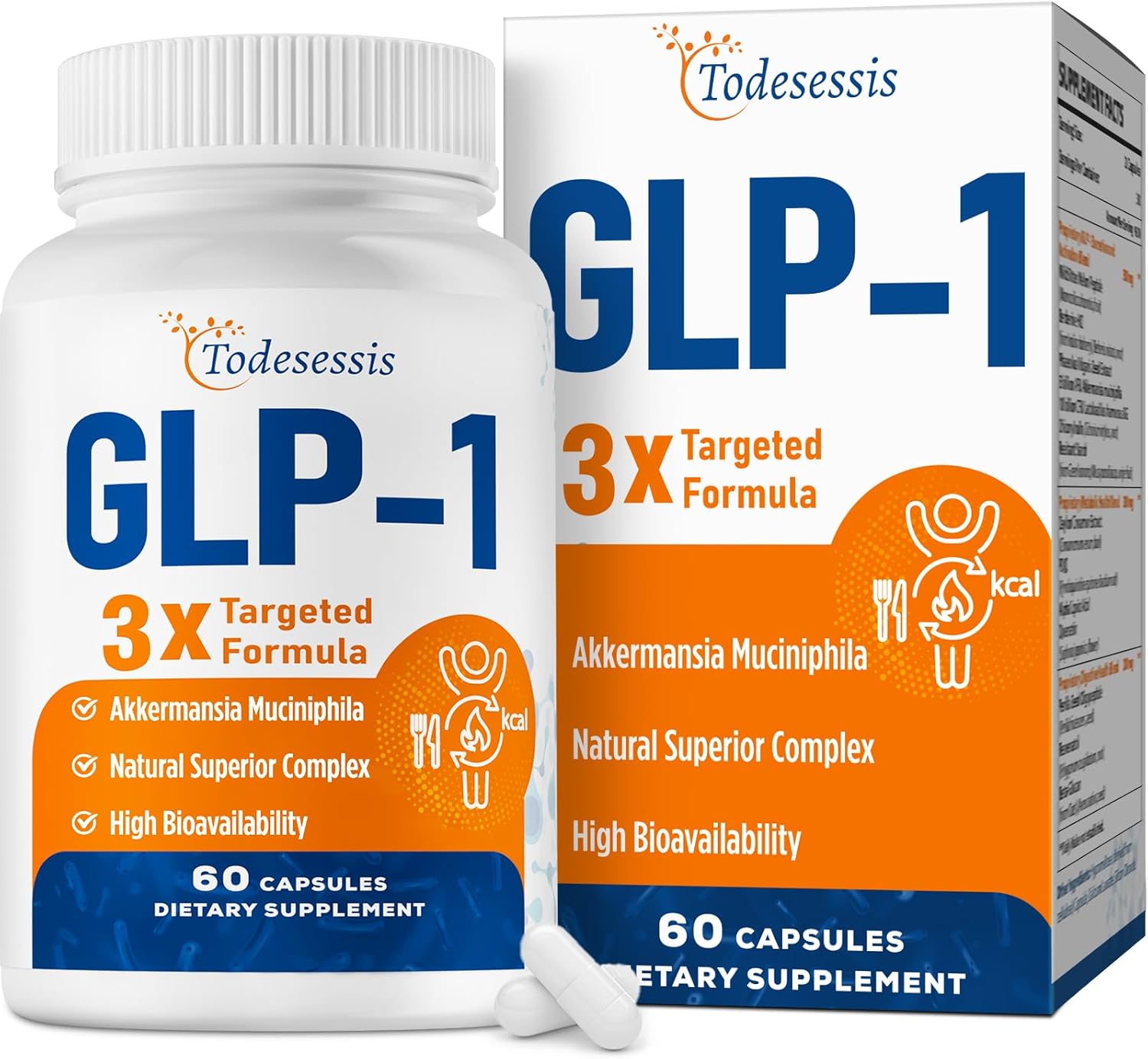
GLP-1 Probiotic Supplement — Supports metabolism and gut health with a unique probiotic blend.
See Latest Price
Before diving in — if you're looking for practical support, NutriFlair Berberine is worth a look — Check Price on Amazon.
The Thyroid: A Small Gland with Big Responsibilities
Your thyroid is a butterfly-shaped gland located in your neck, and it plays a crucial role in regulating your metabolism. It produces hormones that influence your body’s energy usage, heart rate, and even how quickly you burn calories. When your thyroid isn’t functioning optimally, the consequences can ripple out to various aspects of your health, including weight management.
Understanding Hypothyroidism and Weight Gain
Hypothyroidism, a condition where your thyroid is underactive, can lead to significant weight gain. When your thyroid doesn’t produce enough hormones, your metabolism slows down. This means your body burns fewer calories throughout the day. As a result, even if you’re eating the same amount or less, you may find it harder to lose weight. Common symptoms of hypothyroidism include:
- Fatigue
- Weight gain
- Depression
- Cold intolerance
- Dry skin and hair
For example, Sarah, a 35-year-old teacher, noticed she was gaining weight despite her commitment to regular workouts and a balanced diet. After a few months of unexplained weight gain, she decided to consult her doctor. Subsequent tests revealed hypothyroidism, which was effectively sabotaging her weight loss efforts.
The Role of Hyperthyroidism in Weight Loss
On the flip side, hyperthyroidism, where your thyroid is overactive, can lead to unintended weight loss. When your thyroid produces too much hormone, it speeds up your metabolism, leading to rapid calorie burn. This can result in weight loss, but it can also bring about other troubling symptoms, such as:
- Increased heart rate
- Nervousness or anxiety
- Sleep disturbances
- Increased appetite
- Heat intolerance
Consider Mark, a 42-year-old businessman. He started losing weight rapidly, despite eating a substantial amount of food. He felt anxious and jittery, but couldn’t understand why. A visit to his doctor revealed hyperthyroidism, which required careful management to restore balance.
How to Recognize Thyroid Issues
Recognizing thyroid issues can be challenging. Symptoms often overlap with everyday stressors or typical aging signs. If you’re experiencing unexplained changes in weight, energy levels, or mood, it might be time to consider a thyroid evaluation.
Don’t ignore persistent symptoms like fatigue, weight changes, or depression. These could indicate thyroid dysfunction. A simple blood test can assess your thyroid hormone levels and offer valuable insights into your health journey.
The Impact of Diet on Thyroid Function
What you eat can significantly influence your thyroid health. Certain nutrients are vital for optimal thyroid function. Here are some key players:
- Iodine: Essential for the production of thyroid hormones. Foods rich in iodine include seaweed, fish, dairy, and iodized salt.
- Iron: Important for converting thyroid hormones into their active forms. Incorporate lean meats, beans, and spinach into your diet.
- Selenium: Acts as an antioxidant and supports thyroid hormone production. Include Brazil nuts, fish, and eggs.
- Zinc: Crucial for thyroid hormone synthesis. You can find zinc in oysters, red meat, and poultry.
However, it’s also important to be cautious. Some foods can interfere with thyroid function, particularly for those with existing thyroid issues. Limit soy products and cruciferous vegetables like broccoli and cabbage, especially if eaten raw, as they can disrupt hormone production.
Stress and Thyroid Health
Stress is another critical factor that can impact your thyroid health. When you’re stressed, your body produces cortisol, which can negatively influence thyroid hormone production. This creates a cyclical problem: stress affects the thyroid, and an underactive thyroid can lead to increased stress due to weight gain and fatigue.
Consider Lisa, a 29-year-old marketing manager. With work pressures mounting, she found herself constantly fatigued, eating poorly, and gaining weight. After recognizing the toll stress was taking on her health, she adopted stress management techniques like yoga and meditation. This not only improved her mental well-being but also positively impacted her thyroid function.
Practical Steps for Managing Thyroid Health and Weight
So, how can you take charge of your thyroid health and, in turn, support your weight management goals? Here are some actionable tips:
- Schedule regular check-ups: Make sure to include thyroid evaluations in your routine health screenings, especially if you have a family history of thyroid issues.
- Focus on nutrient-rich foods: Incorporate foods that support thyroid function while being mindful of those that can inhibit it.
- Manage stress effectively: Incorporate relaxation techniques into your daily routine to help keep cortisol levels in check.
- Stay active: Regular exercise can help regulate your metabolism and support overall health.
Thyroid Treatment Options
If you’re diagnosed with a thyroid condition, various treatment options are available. For hypothyroidism, hormone replacement therapy is often prescribed to help restore normal hormone levels. In contrast, hyperthyroidism may require medications to regulate hormone production. Always consult with a healthcare provider to discuss the best treatment plan for your specific needs.
Never self-diagnose or self-treat based on online information. Always consult a healthcare professional for personalized advice.
Finding Balance for Lasting Change
In the journey of weight management, understanding the connection between your thyroid health and your weight can be life-changing. It provides clarity when the scale isn’t moving, or when your energy levels are low. By recognizing the signs of thyroid dysfunction, adjusting your diet, managing stress, and seeking appropriate medical care, you can empower yourself to achieve your health goals.
Remember, you’re not just a number on a scale. You’re a complex individual with unique health needs. If you find yourself feeling lost in the weight management maze, consider the possibility that your thyroid may be at play. Take charge of your health journey, and don’t hesitate to reach out to healthcare professionals for guidance.
Worth a LookGLP-1 Probiotic Supplement — Supports metabolism and gut health with a unique probiotic blend.
See Latest Price
This article is for general informational purposes only and is not medical advice. It is not a substitute for professional medical diagnosis, treatment, or care. Always consult a qualified healthcare provider with any questions about a medical condition or before making changes to your health routine.
As an Amazon Associate I earn from qualifying purchases.
This post may contain affiliate links — if you make a purchase through them, we may earn a small commission at no additional cost to you.