


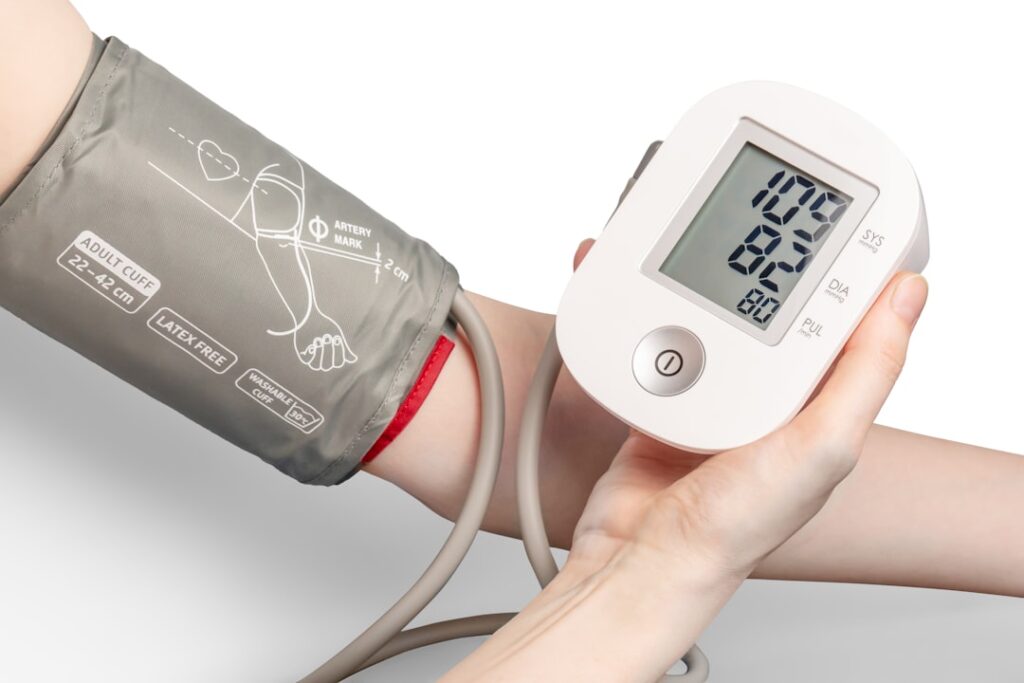
Imagine This: A Silent Threat Lurking in Your Body
Picture yourself lounging on the couch, enjoying a good book or binge-watching your favorite series. You feel fine, maybe even great, blissfully unaware that your blood pressure is creeping up without your knowledge. This is the reality for millions of people. According to the Centers for Disease Control and Prevention (CDC), nearly half of American adults have high blood pressure, yet many of them don’t even know it. High blood pressure is often called the ‘silent killer’ because it rarely presents noticeable symptoms until significant damage is done. But what if there was a way to catch it early? That’s where regular monitoring comes into play.
Quick tip: many readers have found Complete Nutritional Powder genuinely helpful here — See Latest Price.
Understanding Blood Pressure: Why It Matters
Blood pressure is the force of blood pushing against the walls of your arteries. It’s measured in millimeters of mercury (mm Hg) and is expressed with two numbers: systolic (the pressure when your heart beats) over diastolic (the pressure when your heart is resting between beats). A normal reading is usually around 120/80 mm Hg. Anything consistently above 130/80 mm Hg is considered high.
High blood pressure increases your risk for heart disease, stroke, and kidney disease—conditions that can drastically affect your quality of life. But here’s the kicker: many people don’t realize they have high blood pressure until it’s too late. That’s why making blood pressure monitoring a regular part of your health routine is crucial.
The Power of Prevention
Monitoring your blood pressure regularly can be a game-changer. Early detection allows for timely intervention, which can significantly reduce the risk of serious health issues. For instance, if you find that your readings are consistently high, you can consult your doctor and make lifestyle changes before medications become necessary.
Consider this scenario: John, a 45-year-old teacher, felt fatigued and attributed it to the stress of grading papers. During a routine check-up, his doctor discovered his blood pressure was 145/95 mm Hg. He was advised to make dietary changes, such as reducing sodium intake and increasing physical activity. Instead of waiting for symptoms to escalate, John took action. With a few adjustments, his blood pressure dropped to a healthier level, and he felt more energetic and engaged in his daily life. It’s a simple but powerful example of how proactive monitoring can change your health trajectory.
How Often Should You Monitor Your Blood Pressure?
The frequency of monitoring can depend on various factors, including your age, health status, and any pre-existing conditions. If your blood pressure is normal, checking it at least once every two years may suffice. However, if you fall into a higher risk category, consider checking it more often—perhaps at least once a month or even weekly. Here are some guidelines to help you:
- Adults over 40: At least once a year.
- Those with prehypertension: Every 3-6 months.
- Those diagnosed with hypertension: As advised by your healthcare provider.
Investing in a quality home blood pressure monitor can make this task easier. Many modern devices are user-friendly and can even sync with mobile apps to help you track your readings over time.
What to Look for in Your Readings
When monitoring your blood pressure, it’s essential to understand what the numbers mean. Here’s a quick breakdown:
- Normal: Below 120/80 mm Hg
- Elevated: Systolic between 120-129 and diastolic below 80 mm Hg
- Hypertension Stage 1: Systolic between 130-139 or diastolic between 80-89 mm Hg
- Hypertension Stage 2: Systolic 140 or higher or diastolic 90 or higher
- Hypertensive Crisis: Systolic over 180 and/or diastolic over 120
Should you find yourself in the hypertensive crisis range, seek immediate medical attention. Ignoring these numbers can be risky, leading to severe health complications down the line.
Common Symptoms of High Blood Pressure
Many people with high blood pressure experience no symptoms at all, which is why it’s essential to monitor it regularly. However, some may report:
- Headaches, particularly in the morning
- Shortness of breath
- Nosebleeds
- Flushing
- Chest pain
- Visual changes
Feeling any of these symptoms? Don’t ignore them! Always consult with a healthcare provider for guidance.
Incorporating Healthy Habits
Regular monitoring is only one piece of the puzzle. To effectively manage blood pressure and overall health, you need to adopt a holistic approach. Here are some practical tips:
- Eat a balanced diet: Focus on fruits, vegetables, whole grains, and lean proteins. The DASH diet (Dietary Approaches to Stop Hypertension) is particularly effective.
- Stay physically active: Aim for at least 150 minutes of moderate exercise each week. Even brisk walking can make a significant difference.
- Limit alcohol and quit smoking: Both can raise blood pressure and lead to serious health complications.
- Manage stress: Practice mindfulness, yoga, or meditation to help lower stress levels.
Making small adjustments to your lifestyle can have a big impact not just on your blood pressure but on your overall well-being.


Balance of Nature Supplement — Supports daily nutrition with whole fruit and vegetable ingredients.
Check Price on Amazon
Regular Monitoring: A Family Affair
Consider involving your family in the blood pressure monitoring journey. Encourage loved ones to check their blood pressure regularly, too. Create a supportive environment where health discussions are encouraged, and everyone is motivated to share their progress and challenges. Setting up a family health day, where everyone checks their blood pressure together and discusses healthy habits, can strengthen your commitment to better health.
Remember, high blood pressure can affect anyone, regardless of age or lifestyle. The more informed you are, the better equipped you’ll be to make decisions that protect your heart.
The Bottom Line: Make Monitoring a Priority
Monitoring your blood pressure isn’t just a task to check off your list; it’s an essential component of maintaining a healthy lifestyle. By staying informed about your numbers, you can take proactive steps to prevent heart disease and other associated risks. It’s about making your health a priority.


Complete Nutritional Powder
Provides balanced nutrition in a tasty, convenient powder form.
So, the next time you think about skipping that blood pressure check, remember how vital it is. Your heart—and your future self—will thank you for it.
Balance of Nature Supplement — Supports daily nutrition with whole fruit and vegetable ingredients.
Check Price on Amazon
This article is for general informational purposes only and is not medical advice. It is not a substitute for professional medical diagnosis, treatment, or care. Always consult a qualified healthcare provider with any questions about a medical condition or before making changes to your health routine.
As an Amazon Associate I earn from qualifying purchases.
This post may contain affiliate links — if you make a purchase through them, we may earn a small commission at no additional cost to you.