Great Health Great Fitness

Boost Your Heart Health: The Surprising Power of Dietary Fiber for Cholesterol and Blood Pressure
Discover how increasing your dietary fiber can significantly improve heart health by lowering cholesterol and blood pressure.
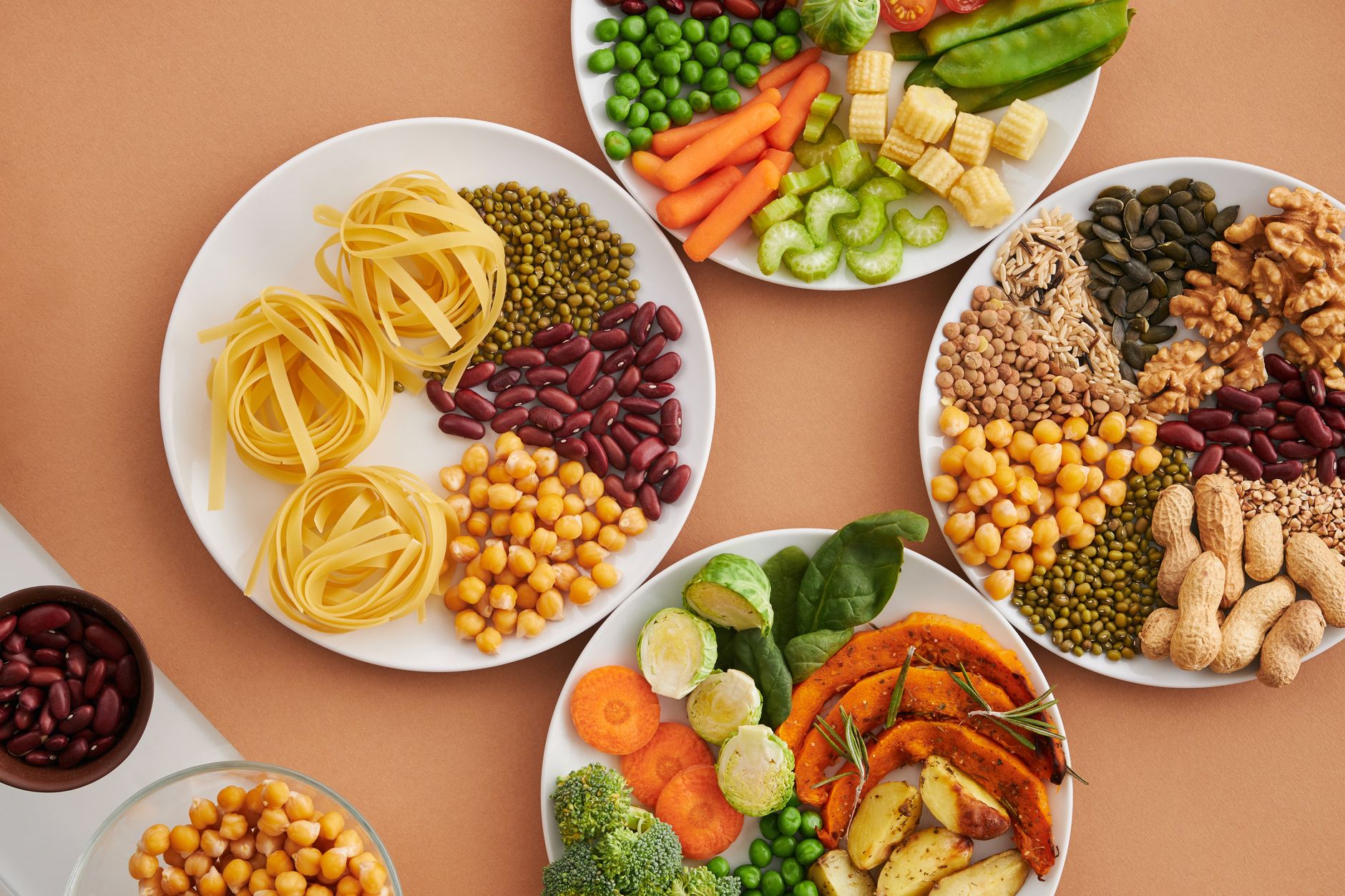
Ever Thought About Your Heart’s Best Friend?
Picture this: you’re at your favorite cafe, enjoying a delicious meal with friends. As you take a bite of that warm, fresh bread, you might not realize that it holds a secret weapon against heart disease. Yes, we’re talking about dietary fiber! You might have heard that fiber is essential for digestion, but did you know it can also be a game-changer for your heart health? Let’s delve into the fascinating world of fiber and uncover how it can help lower cholesterol levels and blood pressure.
 Popular Choice
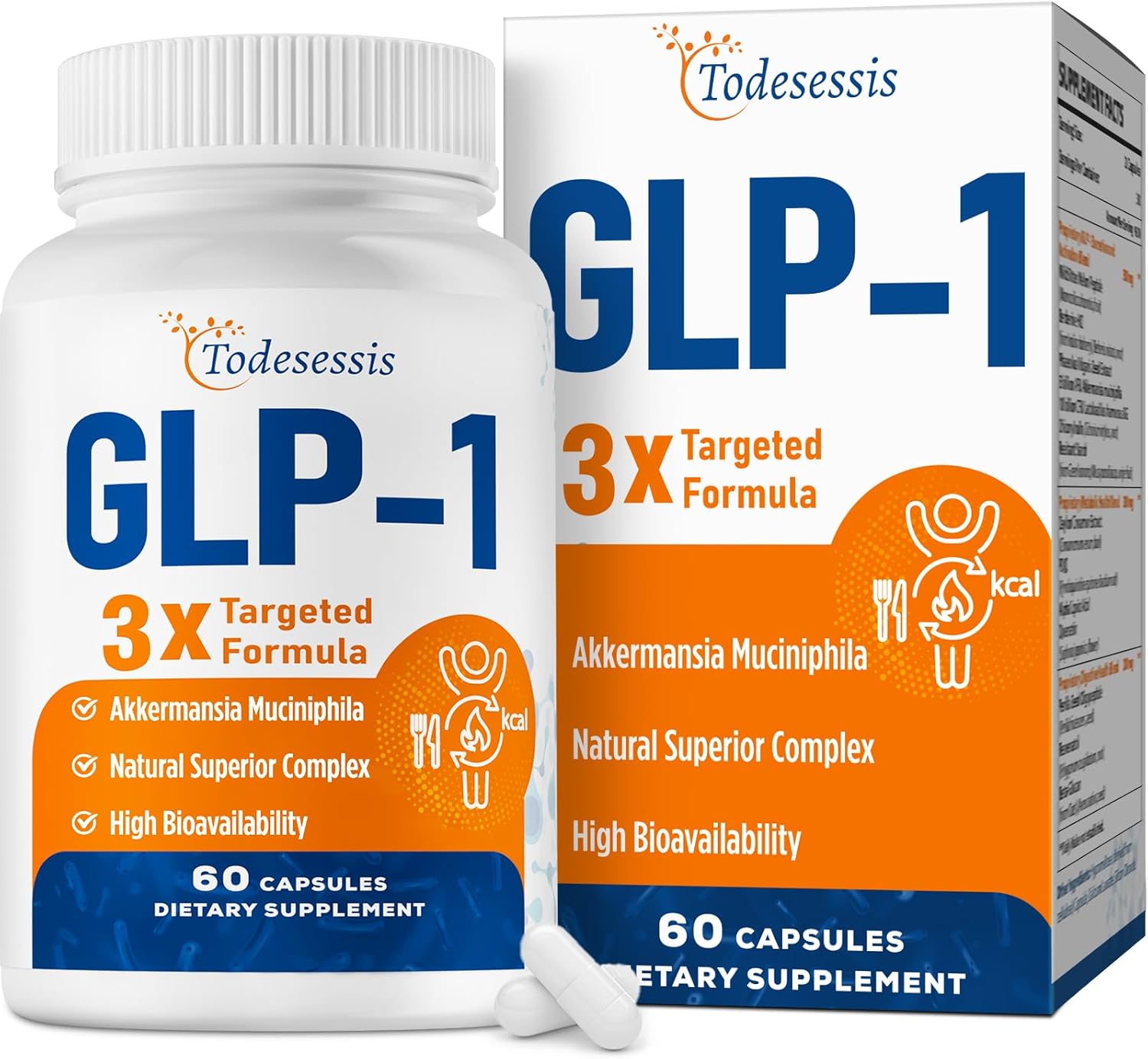
GLP-1 Probiotic Supplement
Supports metabolism and gut health with a unique probiotic blend.
Quick tip: many readers have found GLP-1 Probiotic Supplement genuinely helpful here — See Latest Price.
What is Dietary Fiber, Anyway?
Dietary fiber is the part of plant-based foods that your body can’t digest. It comes in two types: soluble and insoluble. Soluble fiber dissolves in water and can help lower cholesterol and stabilize blood sugar levels, while insoluble fiber adds bulk to your stool, helping to keep your digestive system running smoothly.
But let’s focus on the heart health benefits of soluble fiber. Foods rich in soluble fiber include oats, beans, lentils, apples, and even chia seeds. Incorporating these foods into your diet can help you fight off high cholesterol and hypertension.
 Worth a Look
GNC Mega Men Multivitamin — Supports heart and prostate health with clinically studied antioxidants.
View on Amazon
How Does Fiber Help Lower Cholesterol?
When you consume soluble fiber, it binds to cholesterol in your digestive system, preventing its absorption into the bloodstream. This process helps reduce the overall cholesterol levels in your body, particularly low-density lipoprotein (LDL)—often referred to as “bad” cholesterol.
Imagine this: by simply adding a bowl of oatmeal to your breakfast routine, you could lower your LDL cholesterol. A study published in the American Journal of Clinical Nutrition found that individuals who increased their soluble fiber intake by just 5-10 grams per day saw a significant reduction in their LDL levels.
Real-Life Example
Meet Sarah, a 45-year-old woman who was recently informed by her doctor that her cholesterol levels were edging into the danger zone. She loved her pastries and sugary snacks, but after learning about the power of fiber, she decided to make a change. Sarah began her mornings with oatmeal topped with fresh berries and nuts. Within a few months, her cholesterol levels dropped significantly, and she felt more energized than ever.
Blood Pressure Benefits: A Hidden Advantage
Lowering cholesterol is just one piece of the puzzle. Dietary fiber also plays a crucial role in regulating blood pressure. Studies have shown that increasing your fiber intake can lead to a decrease in systolic and diastolic blood pressure. This is vital because high blood pressure is a major risk factor for heart disease and stroke.
How does this work? Fiber-rich foods often contain essential nutrients like potassium and magnesium that help regulate blood pressure. Additionally, they tend to be low in fat and high in antioxidants, which can further support cardiovascular health.
Practical Tips for Increasing Fiber Intake
- Start with Breakfast: Swap out sugary cereals for oatmeal or whole-grain options.
- Snack Smart: Reach for fruits, nuts, or air-popped popcorn instead of chips or candy.
- Add Beans to Your Meals: Incorporate beans into salads, soups, or even as a meat substitute in tacos.
- Gradually Increase Fiber: Aim to add 5-10 grams of fiber per week to avoid digestive discomfort.
Understanding the Science Behind Fiber
If you’re the curious type, you might wonder how the science of fiber works on a biochemical level. When soluble fiber is fermented by bacteria in the large intestine, it produces short-chain fatty acids (SCFAs). These SCFAs have numerous health benefits, including reducing inflammation and improving insulin sensitivity—both of which are crucial for maintaining heart health.
Moreover, the fermentation of fiber and its interaction with gut microbiota can positively influence cholesterol metabolism. It’s a fascinating interplay that shows the importance of a healthy gut for a healthy heart.
The Fiber-Rich Foods You Should Know
Wondering which foods to turn to? Here’s a quick guide:
- Oats: A great breakfast staple, they provide significant soluble fiber.
- Barley: Another whole grain that packs a fiber punch.
- Fruits: Apples, oranges, and berries are not only delicious but also rich in fiber.
- Legumes: Lentils, chickpeas, and black beans can easily be added to salads or soups.
- Vegetables: Carrots, broccoli, and Brussels sprouts are fantastic options.
- Nuts and Seeds: Almonds, chia seeds, and flaxseeds add extra crunch and health benefits.
Common Pitfalls to Avoid
While increasing your fiber intake can bring numerous health benefits, it’s essential to approach it wisely. Jumping into a high-fiber diet too quickly can lead to digestive discomfort, including gas and bloating. To avoid this, increase your fiber intake gradually. Aim for the recommended daily intake of 25 grams for women and 38 grams for men, but remember that individual needs may vary.
Another common pitfall is neglecting hydration. As you up your fiber, it’s crucial to drink plenty of water to help the fiber do its job effectively. A dehydrated body can lead to constipation and negate the benefits of your new fiber-rich diet.
Listen to Your Body
As with any dietary change, it’s essential to pay attention to how your body reacts. Some individuals may notice that they become more sensitive to certain high-fiber foods. If you experience any discomfort, consider consulting a healthcare professional to tailor dietary changes to your specific needs.
A Fiber Challenge You Can Embrace
Feeling inspired? Why not start a fiber challenge? Set a goal to increase your daily fiber intake for a month. Share your journey with friends or family, keeping each other accountable. You can swap recipes, try new foods, and even create fun fiber-themed meals together!
With every improvement you make, you’ll not only feel better physically but also contribute positively to your long-term heart health.
Final Thoughts on Fiber and Heart Health
The profound impact of dietary fiber on heart health is something many people overlook. By increasing your fiber intake, you can effectively lower your cholesterol and blood pressure, paving the way for a healthier heart. Remember, small changes can lead to significant results. Whether you start with a hearty bowl of oatmeal or a handful of nuts, every step counts.
So, next time you’re at that cafe or grocery store, keep an eye out for fiber-rich options. Your heart will thank you!
Worth a LookGNC Mega Men Multivitamin — Supports heart and prostate health with clinically studied antioxidants.
View on Amazon
This article is for general informational purposes only and is not medical advice. It is not a substitute for professional medical diagnosis, treatment, or care. Always consult a qualified healthcare provider with any questions about a medical condition or before making changes to your health routine.
As an Amazon Associate I earn from qualifying purchases.
This post may contain affiliate links — if you make a purchase through them, we may earn a small commission at no additional cost to you.