

Imagine This: Your Future Heart Health
Picture yourself at a warm family gathering, laughter filling the air, and the aroma of food wafting through the home. You take a moment to step outside, feeling the gentle breeze, and then it hits you: how long has it been since you’ve thought about your heart health? If you’ve ever experienced a sudden tightness in your chest or felt unusually fatigued, you might be shocked to learn that one in three adults has high cholesterol.
Quick tip: many readers have found Balance of Nature Supplement genuinely helpful here — Check Price on Amazon.
But what if I told you that a simple shift in your eating habits could dramatically change your risk for heart disease? Enter the plant-based diet—a lifestyle that’s gaining traction not just for ethical reasons, but also for its profound impact on health. Let’s dive into the research and explore how a plant-based diet can become your ally in keeping cholesterol levels in check and protecting your heart.
Understanding Cholesterol: The Good, The Bad, and the Plant-Based
Cholesterol is a waxy substance in your body that is crucial for producing hormones and vitamin D, but here’s the kicker: not all cholesterol is created equal. There are two main types:
- Low-Density Lipoprotein (LDL): Often referred to as “bad” cholesterol, high levels of LDL can lead to plaque buildup in your arteries, increasing your risk for heart disease.
- High-Density Lipoprotein (HDL): Known as “good” cholesterol, HDL helps remove LDL from the arteries.
If your LDL levels are climbing, your heart health could be at risk. This is where a plant-based diet shines. Studies have shown that individuals who adopt a diet rich in fruits, vegetables, whole grains, legumes, nuts, and seeds tend to have lower LDL levels and higher HDL levels.


Balance of Nature Supplement
Supports daily nutrition with whole fruit and vegetable ingredients.
The Research Speaks: Plant-Based Diets and Cholesterol Levels
Let’s look at some eye-opening data. A comprehensive study published in the American Journal of Clinical Nutrition found that participants who followed a vegan diet for just a few months experienced a significant reduction in total cholesterol and LDL cholesterol levels. In fact, those on a plant-based diet saw their total cholesterol drop by an average of 20 mg/dL in just 6 weeks!


BIOMA Probiotics — Supports digestive health with powerful probiotics and prebiotics.
Check Price on Amazon
Another landmark study published in The Journal of the American Heart Association revealed that individuals adhering to a plant-based diet had a 30% lower risk of developing heart disease compared to those who primarily consumed animal products. This correlation is particularly significant, especially considering that heart disease remains one of the leading causes of death worldwide.
Real-Life Transformations: Meet the Plant-Based Advocates
To illustrate these findings, let’s take a look at some real stories. Take John, a 45-year-old office worker who struggled with high cholesterol for years. After a routine physical, his doctor warned him about his elevated LDL levels, urging him to make dietary changes. Skeptical at first, John decided to try a plant-based diet. Within three months, his cholesterol levels dropped by 30 points.
Then there’s Sarah, a 35-year-old teacher. She was experiencing chronic fatigue and mild chest discomfort. After researching heart-healthy diets, she transitioned to a plant-based lifestyle. Sarah reported feeling more energetic, and her lipid panel showed significant improvements. She was ecstatic to hear that her LDL had dropped to a healthy level!
How Does a Plant-Based Diet Work?
But how does switching to a plant-based diet actually help in lowering cholesterol? Here are a few mechanisms at play:
- Fiber Power: Plant-based foods are generally high in soluble fiber, which helps to reduce LDL cholesterol. Foods like oats, beans, and fruits are great sources.
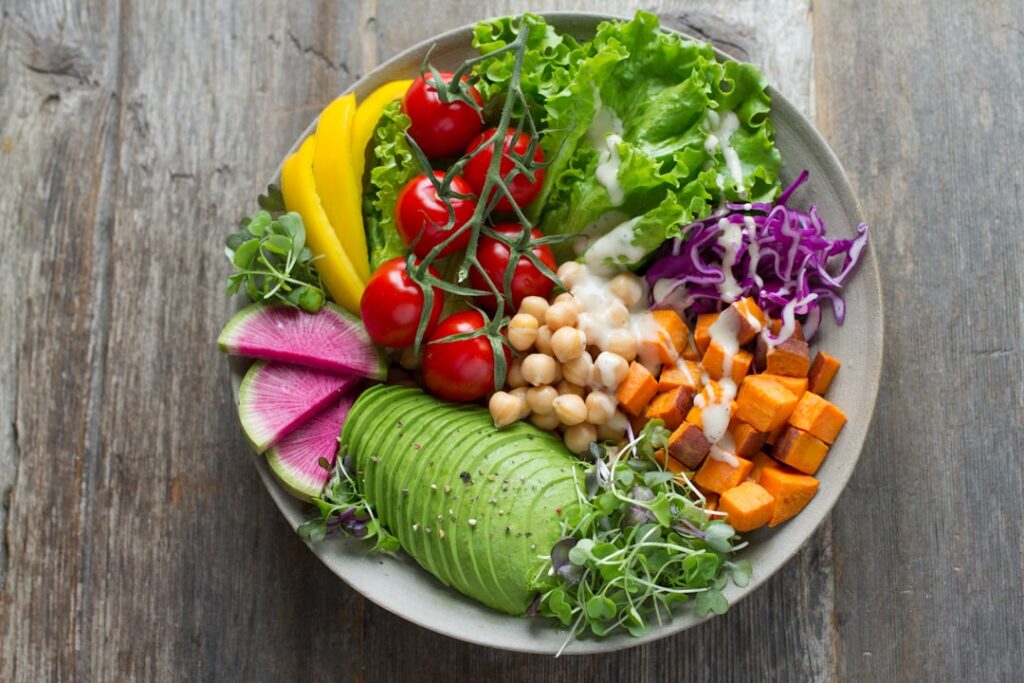
- Healthy Fats: Plant sources of fat, such as avocados, nuts, and seeds, can help raise HDL cholesterol while lowering LDL.
- Reduced Saturated Fats: By cutting out animal products, you lower your intake of saturated fats, which are notorious for raising LDL levels.
It’s not only about what you remove from your diet; it’s also about what you add. By incorporating a variety of colorful fruits and vegetables, whole grains, and legumes, you’re flooding your body with nutrients that promote heart health.
Making the Shift: Practical Tips for Transitioning
Ready to explore the world of plant-based eating? Here are some tips to ease the transition:
- Start Slow: You don’t have to dive in headfirst. Begin by replacing one or two meals a week with plant-based options.
- Explore New Recipes: Try out different cuisines that focus on plant-based ingredients, such as Mediterranean or Indian dishes.
- Read Labels: Familiarize yourself with food labels. Look for products low in saturated fats and high in fiber.
- Engage with Community: Join local or online plant-based groups for support, recipe sharing, and motivation.
As you embark on this journey, remember that small changes can lead to significant outcomes. The goal isn’t perfection, but progress.
The Possible Risks and Considerations
While switching to a plant-based diet can bring numerous benefits, it’s essential to be aware of potential pitfalls. Nutrient Deficiencies can occur if you’re not mindful. Key nutrients such as vitamin B12, iron, and omega-3 fatty acids are often found in animal products. It’s advisable to consider fortified foods or supplements where necessary.
Moreover, some individuals may experience digestive changes as their bodies adapt to increased fiber intake. You might face bloating or gas initially, but don’t let that discourage you. Typically, these symptoms subside as your gut adjusts to the new diet.
What the Experts Say
Healthcare professionals are increasingly recognizing the value of plant-based diets. Dr. Caldwell Esselstyn, a renowned cardiologist, has been at the forefront of advocating for plant-based nutrition to prevent and even reverse heart disease. His research indicates that adopting a whole-food, plant-based diet can lead to remarkable improvements in heart health.
Furthermore, the American Heart Association endorses a diet rich in fruits, vegetables, whole grains, and low-fat dairy, while minimizing saturated fat intake. This aligns closely with plant-based principles, showcasing that heart health is more about food choices than just cutting out cholesterol.
Empower Yourself with Knowledge and Choices
As you navigate your way through dietary choices, remember that knowledge is power. Understanding the impact of your food on your heart health can empower you to make informed decisions. Consider keeping a food journal to track how different foods affect your energy levels and mood.
It’s also important to consult with a healthcare provider before making significant changes to your diet or lifestyle, especially if you have existing health conditions or concerns.
Your Heart, Your Choice: The Journey Ahead
In the grand scheme of life, your heart health is not just about keeping your cholesterol in check; it’s about the experiences you cherish with loved ones, the adventures that await, and the memories yet to be made. By embracing a plant-based diet, you’re not only reducing your risk of heart disease, but you’re also investing in a brighter, healthier future.
So, the next time you find yourself at a family gathering, savoring delicious food, reflect on the power of your choices. You have the potential to change your health narrative. Make it one that celebrates vitality, longevity, and joy.
BIOMA Probiotics — Supports digestive health with powerful probiotics and prebiotics.
Check Price on Amazon
This article is for general informational purposes only and is not medical advice. It is not a substitute for professional medical diagnosis, treatment, or care. Always consult a qualified healthcare provider with any questions about a medical condition or before making changes to your health routine.
As an Amazon Associate I earn from qualifying purchases.
This post may contain affiliate links — if you make a purchase through them, we may earn a small commission at no additional cost to you.