Great Health Great Fitness
West Nile Virus Strikes NYC: What You Need to Know After the First Human Case of 2026
The NYC Health Department reports the first human case of West Nile virus in 2026. Here's how to stay safe and informed.
The Unexpected Return of West Nile Virus
Imagine stepping outside on a warm summer evening, enjoying a peaceful moment as you watch the sun dip below the horizon. But lurking in the shadows, unseen, are mosquitoes—tiny yet powerful vectors of disease. Recently, the NYC Health Department reported the first human case of West Nile virus in 2026, sending ripples of concern through the community. With the rise of this mosquito-borne illness, it’s crucial to understand what West Nile virus is, how it spreads, and what you can do to protect yourself and your loved ones.
What is West Nile Virus?
West Nile virus (WNV) is a viral infection primarily transmitted to humans through the bites of infected mosquitoes. It was first identified in Uganda in 1937 and made its way to the United States in 1999. Since then, it has become one of the most common mosquito-borne diseases in the country, with seasonal outbreaks typically peaking in late summer and early fall.
How Does It Spread?
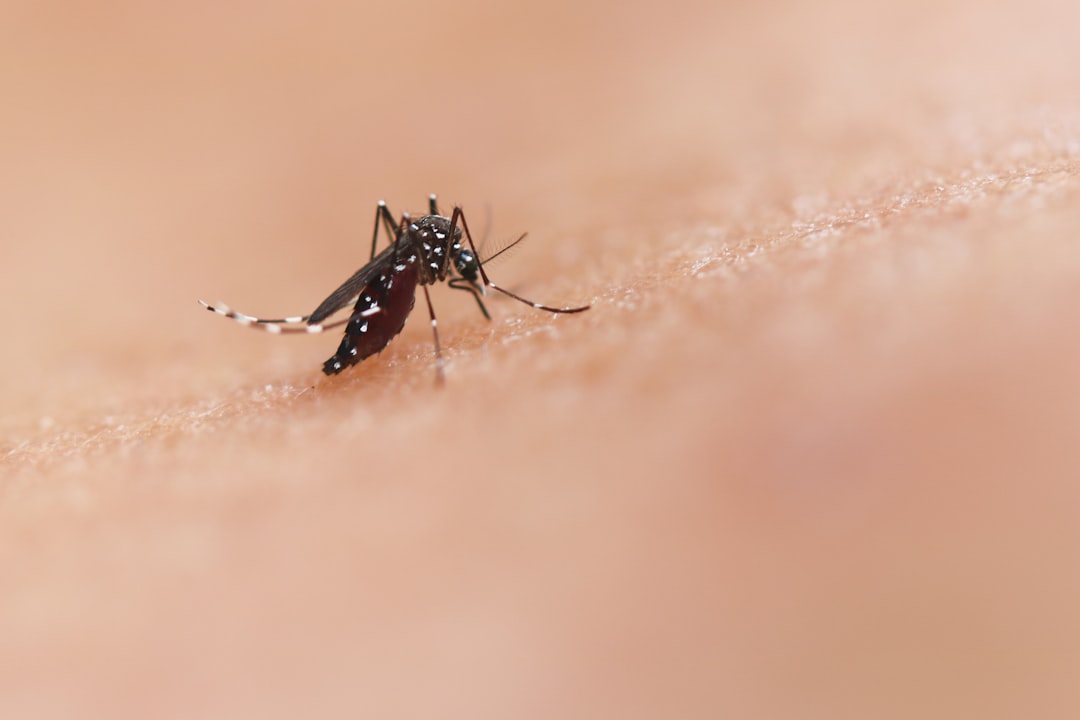
WNV is primarily spread by the Culex species of mosquitoes, which breed in stagnant water and are most active during dusk and dawn. When an infected mosquito bites a human, the virus can enter the bloodstream and, in some cases, lead to serious illness. Notably, less than 1% of infected individuals develop severe neurological symptoms, but it’s important to be informed about the risks.
Recognizing the Symptoms
Understanding the symptoms of West Nile virus is essential. Most individuals experience mild symptoms or none at all, but some can develop serious health issues. Common symptoms include:
- Fever
- Headache
- Body aches
- Fatigue
- Rash
In severe cases, particularly among older adults or those with weakened immune systems, symptoms can escalate to:
- High fever
- Stiff neck
- Confusion
- Tremors
- Seizures
- Coma
Recognizing these symptoms early can be crucial for effective treatment.
The NYC Health Department’s Announcement
Now, with reports of the first human case in 2026, health officials are urging the public to remain vigilant. This case may serve as a reminder that the virus is still a public health concern, despite being less frequently reported in recent years. The NYC Health Department emphasizes the importance of community awareness and preventive measures, especially given the potential for outbreaks during peak mosquito season.
Preventive Measures You Can Take
So how can you protect yourself from West Nile virus? Here are some practical tips:
- Use mosquito repellent: Choose products containing DEET, picaridin, or oil of lemon eucalyptus. Apply it to exposed skin when heading outdoors.
- Wear protective clothing: Long sleeves and pants, especially during early morning and evening hours when mosquitoes are most active, can significantly reduce your risk of bites.
- Eliminate breeding sites: Remove standing water from your property—places like bird baths, gutters, and flower pots are prime breeding grounds for mosquitoes.
- Install screens: Ensure your windows and doors have tight-fitting screens to keep mosquitoes out of your home.
Implementing these strategies can help you and your family stay safe during the mosquito season.
The Role of Public Health Officials
Public health departments play a pivotal role in controlling mosquito populations and monitoring the spread of West Nile virus. This includes:
- Conducting surveillance to track mosquito populations and WNV prevalence.
- Implementing community education programs to inform residents about prevention methods.
- Coordinating mosquito control efforts, including spraying and larviciding in areas of high mosquito activity.
Your local health department is a key source of information about current mosquito activity and any necessary health advisories. Staying informed can empower you to take proactive steps to protect yourself.
What If You Experience Symptoms?
If you suspect that you or someone you know may have contracted West Nile virus, it’s essential to seek medical attention promptly. Healthcare providers can conduct tests to confirm the presence of the virus and determine the best course of action. While there is no specific treatment for WNV, supportive care can be crucial in managing symptoms and preventing complications.
Community Awareness and Action
The recent case in NYC serves as a wake-up call for communities across the country. With climate change influencing mosquito behavior and populations, it’s vital that we remain vigilant and proactive. Community engagement can make a significant difference—consider organizing local cleanup efforts to eliminate standing water and educate your neighbors about prevention strategies.
Remember, a well-informed community is a resilient community.
Final Thoughts: Staying Ahead of West Nile Virus
The first human case of West Nile virus in NYC is a clear indication that the threat of mosquito-borne diseases is very real. As summer approaches, staying informed and taking proactive measures is essential for protecting your health and the health of those around you. Remember to keep an eye out for symptoms, utilize effective prevention strategies, and participate in community efforts.
Let’s work together to ensure that the mosquito season of 2026 is marked not by outbreaks, but by awareness and action.
This article is for general informational purposes only and is not medical advice. It is not a substitute for professional medical diagnosis, treatment, or care. Always consult a qualified healthcare provider with any questions about a medical condition or before making changes to your health routine.