



Are Your Gut and Heart in Sync?
Imagine this: you’re sitting down to enjoy a bowl of your favorite pasta, topped with a rich sauce and a sprinkle of cheese. It’s comforting, it’s delicious, and it’s a meal you’ve relished countless times before. But did you know that what you eat not only affects your waistline but also your heart health? Recent research shows a fascinating connection between gut health and cardiovascular wellness, revealing that your microbiome might be just as crucial to your heart as it is to your digestion.

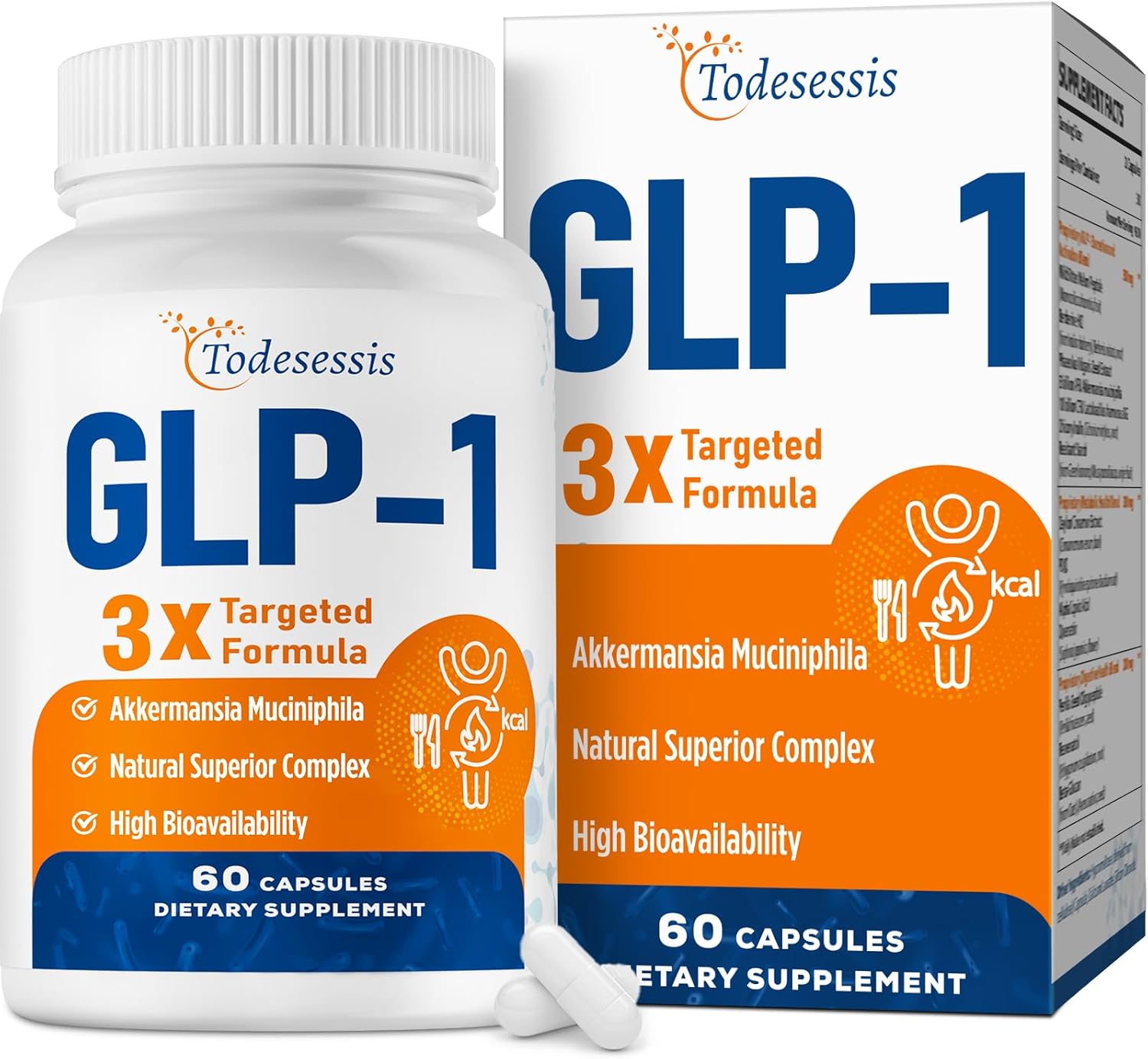
GLP-1 Probiotic Supplement
Supports metabolism and gut health with a unique probiotic blend.


Balance of Nature Supplement — Supports daily nutrition with whole fruit and vegetable ingredients.
Check Price on Amazon
Quick tip: many readers have found GLP-1 Probiotic Supplement genuinely helpful here — See Latest Price.
Understanding the Microbiome
Let’s start with the basics. Your gut is home to trillions of microorganisms, including bacteria, viruses, fungi, and even archaea. This community, known as the microbiome, plays a vital role in your overall health. It helps digest food, produces essential nutrients, and supports your immune system. But it does much more than that; an imbalance in your gut bacteria can set off a chain reaction that impacts your heart.
The Gut-Heart Connection
You might be wondering how on earth your gut can influence your heart. Here’s where it gets interesting. When your gut bacteria are thriving, they help maintain a healthy balance of substances that affect inflammation, blood pressure, and cholesterol levels. On the flip side, an imbalanced microbiome can lead to increased levels of harmful substances, like trimethylamine N-oxide (TMAO).
TMAO is a compound produced when certain gut bacteria digest choline, a nutrient found in foods like red meat and eggs. High levels of TMAO in your bloodstream have been associated with an increased risk of heart disease. High TMAO levels can lead to cardiovascular issues. It’s an alarming thought—but the good news is that you can take steps to maintain a better balance in your gut.
Signs Your Microbiome Might Be Out of Whack
How do you know if your gut health is affecting your heart? Here are some signs to watch for:
- Digestive Issues: Frequent bloating, gas, or irregular bowel movements can indicate an unhealthy microbiome.
- Fatigue: If you feel tired even after a full night’s sleep, it could be linked to gut health, as an imbalanced microbiome can affect nutrient absorption.
- Skin Problems: Conditions like eczema or acne may signal underlying gut issues.
- Food Cravings: Cravings for sugar and processed foods can be a sign that harmful gut bacteria are overpowering the beneficial ones.
If you recognize any of these symptoms, it might be time to take a closer look at what you’re eating and how it affects your gut.
Eating for a Healthy Heart and Gut
So, how can you support both your gut and heart health through your diet? Here’s a practical guide:
1. Embrace Fiber
Fiber is your gut’s best friend. Foods high in fiber, such as fruits, vegetables, whole grains, and legumes, nourish beneficial bacteria, helping them flourish. Aim for at least 25-30 grams of fiber each day. For example, a cup of cooked lentils contains about 15.5 grams of fiber—add some spinach and quinoa, and you’re well on your way!
2. Include Probiotics
Probiotics are live bacteria beneficial for your gut health. Incorporate fermented foods like yogurt, kefir, sauerkraut, and kimchi into your meals. A daily serving of yogurt can help introduce these beneficial bacteria into your gut. Probiotics can improve gut flora.
3. Limit Processed Foods
Processed and sugary foods can harm the beneficial bacteria in your gut. Try to limit your intake of these items. Instead, opt for whole foods that are as close to their natural state as possible. If you’re snacking, reach for a piece of fruit instead of a candy bar.
4. Stay Hydrated
Water is essential for a healthy digestive system. Make it a habit to drink plenty of water throughout the day to help your gut function optimally. Try keeping a water bottle nearby to remind yourself!
5. Consider Omega-3 Fatty Acids
Omega-3s, found in fatty fish like salmon or walnuts, can help reduce inflammation in the body, which is beneficial for both your gut and heart. Try to include fatty fish in your diet at least twice a week.
Stress and Sleep: The Overlooked Factors
It’s not just what you eat that matters. Your overall lifestyle plays a role too. Stress and lack of sleep can negatively impact your gut health.
Managing Stress
When you’re stressed, your body produces cortisol, a hormone that can disrupt the balance of gut bacteria. Engage in stress-reducing activities—whether that’s yoga, meditation, or simply taking a walk in nature. Regular exercise can also improve your gut health while supporting your heart.
Prioritizing Sleep
Quality sleep is essential for maintaining a healthy microbiome and overall cardiovascular health. Aim for 7-9 hours of good-quality sleep each night. If you’re having trouble sleeping, consider developing a soothing bedtime routine: limit screen time, read a book, or practice relaxation techniques.
When to Seek Professional Guidance
While making dietary changes can have a positive impact on your gut and heart health, it’s essential to consult a healthcare provider if you experience persistent symptoms or have concerns. A registered dietitian can help tailor a nutrition plan that meets your specific needs. Don’t ignore persistent digestive or heart symptoms.
Real-Life Scenarios
Imagine Sarah, a 45-year-old woman who often felt sluggish and battled digestive issues. After consulting with a nutritionist, she began incorporating more whole foods into her diet, focusing on fiber-rich foods like oats and berries. Within weeks, she noticed a significant improvement in her energy levels and digestion. Additionally, her recent cholesterol levels showed promising signs of improvement.
On the other hand, consider John, 50, who frequently indulged in fast food and sugary snacks. He was diagnosed with high blood pressure and high cholesterol. With his doctor’s guidance, John transitioned to a diet rich in whole grains, vegetables, and healthy fats. Not only did he see his numbers improve, but he also reported feeling more energetic and in tune with his body.
Conclusion: Your Gut Deserves Attention
The connection between gut health and heart disease is becoming increasingly clear. By nurturing your microbiome, you can take significant steps toward promoting cardiovascular wellness. Remember, small changes can lead to substantial benefits over time. Whether it’s introducing more fiber into your meals or cutting down on processed foods, every bit counts. Prioritize both your gut and heart health. You’ll not only feel better but may also reduce your risk of heart disease in the long run.
Balance of Nature Supplement — Supports daily nutrition with whole fruit and vegetable ingredients.
Check Price on Amazon
This article is for general informational purposes only and is not medical advice. It is not a substitute for professional medical diagnosis, treatment, or care. Always consult a qualified healthcare provider with any questions about a medical condition or before making changes to your health routine.
As an Amazon Associate I earn from qualifying purchases.
This post may contain affiliate links — if you make a purchase through them, we may earn a small commission at no additional cost to you.