



Imagine This: A Silent Threat
Picture this: You’re feeling fine, going about your daily routine, when suddenly a routine blood test reveals something alarming. Your doctor says, “We need to discuss your kidney function; there’s cause for concern.” In that moment, a wave of unease washes over you. You never felt sick, yet your kidneys might be struggling silently, possibly leading to serious health issues.
If this resonates with you, GLP-1 Probiotic Supplement might be worth checking out — See Latest Price.
Kidney disease is often dubbed the “silent killer.” This is because many individuals remain completely unaware of their compromised kidney function until it’s too late. The good news? Regular kidney function tests can help catch these issues early, allowing for timely intervention and management.
What Are Kidney Function Tests?
Kidney function tests are a group of blood and urine tests that assess how well your kidneys are working. The primary tests include:
- Serum Creatinine Test: Measures the level of creatinine in your blood — a waste product from muscle metabolism.
- Blood Urea Nitrogen (BUN): Evaluates the amount of nitrogen in your blood that comes from urea, another waste product.
- Glomerular Filtration Rate (GFR): Estimates how well your kidneys filter blood, indicating overall kidney function.
- Urinalysis: Checks for abnormalities in your urine, such as protein or blood, which can signal kidney damage.
But why should you prioritize these tests? Let’s delve deeper.

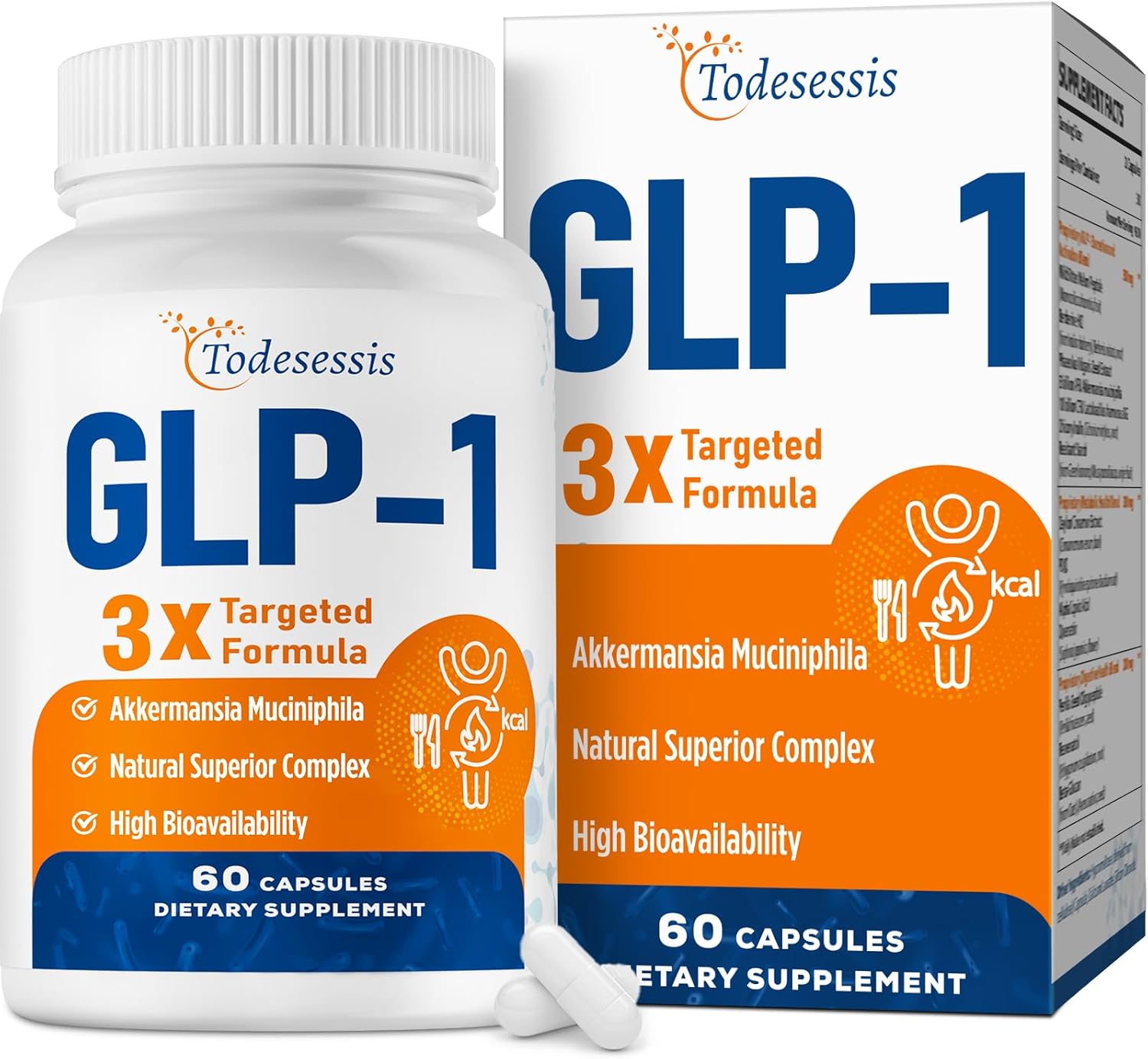
GLP-1 Probiotic Supplement
Supports metabolism and gut health with a unique probiotic blend.


Balance of Nature Supplement — Supports daily nutrition with whole fruit and vegetable ingredients.
Check Price on Amazon
Understanding the Risks: Who Should Get Tested?
Kidney disease is not selective; it can affect anyone. However, certain demographics are more susceptible:
- Individuals with Diabetes: Diabetes is the leading cause of kidney failure. High blood sugar can damage the blood vessels in your kidneys over time.
- People with Hypertension: Uncontrolled high blood pressure can put excessive strain on your kidneys.
- Family History: If kidney disease runs in your family, your risk increases significantly.
- Age: Seniors, particularly those over 60, are at heightened risk.
Even if you don’t fall into these categories, don’t overlook regular testing. Symptoms often don’t appear until your kidney function is severely compromised, making regular check-ups essential.
The Importance of Early Detection
Early detection of kidney disease can significantly alter your treatment course and improve your quality of life. Think about this: what if you could reverse or at least slow down kidney damage just by catching it early?
Consider Sarah, a 45-year-old teacher. She went for her annual check-up, where her doctor suggested a kidney function test due to some minor fluctuations in her blood pressure. To her surprise, her creatinine levels were elevated, indicating early signs of kidney dysfunction. Thanks to early detection, Sarah started a treatment plan focusing on diet and lifestyle changes, which helped preserve her kidney function.
On the other hand, take Mark, a 55-year-old accountant, who ignored his doctor’s suggestions for regular kidney testing. By the time he experienced symptoms like fatigue and swelling in his legs, it was too late. He was diagnosed with stage 4 kidney disease, requiring dialysis. Early detection could have changed his path.
What Happens If You Ignore Kidney Function Tests?
Ignoring kidney function tests can lead to serious, sometimes irreversible consequences. Chronic kidney disease (CKD) can develop silently, progressing from mild impairment to kidney failure. Some alarming statistics suggest that about 10% of adults worldwide are affected by CKD, with millions unaware of their condition.
When kidney function declines, waste products can build up in your body, leading to symptoms such as:
- Nausea and vomiting
- Persistent fatigue
- Changes in urination frequency
- Swelling in your legs, ankles, or feet
- Shortness of breath
If left unchecked, CKD can culminate in end-stage renal disease (ESRD), necessitating dialysis or kidney transplantation. Ignoring early warning signs can cost you your health.
How Often Should You Get Tested?
The frequency of kidney function tests varies based on individual risk factors. Here’s a general guideline:
- Low Risk: Every 5–10 years
- Moderate Risk: Every 2–3 years
- High Risk: Annually or as recommended by your healthcare provider
Consult your doctor to determine the best schedule for your situation. Keeping a proactive approach towards your kidney health can make all the difference.
Taking Control: Tips for Maintaining Kidney Health
In addition to regular testing, there are numerous ways to protect your kidneys:
- Stay Hydrated: Drink plenty of water to help your kidneys function optimally.
- Eat a Balanced Diet: Focus on fruits, vegetables, and whole grains. Limit salt and processed foods.
- Exercise Regularly: Aim for at least 30 minutes of moderate activity most days of the week.
- Monitor Your Blood Pressure and Blood Sugar: Keep these within healthy ranges to reduce stress on your kidneys.
Making small, manageable lifestyle changes can have a profound impact on your kidney health.
Engaging with Your Healthcare Team
Building a relationship with your healthcare provider is crucial. Don’t hesitate to ask questions about kidney function tests and express any concerns you may have. A knowledgeable provider can guide you through understanding your results and help you make informed decisions about your health.
Consider keeping a health journal where you can track symptoms, medications, and questions to bring up during your appointments. This proactive approach not only empowers you but also enhances the dialogue between you and your healthcare team.
Final Thoughts: Don’t Wait, Test Regularly
In the grand scheme of health, your kidneys bear a heavy responsibility, filtering waste and regulating fluid balance. Understanding the importance of kidney function tests and engaging in regular monitoring can lead to early detection and effective management of potential issues.
The journey towards better kidney health is one that involves you taking action—whether that means scheduling your next test, making dietary changes, or speaking up at your next doctor’s visit. Remember, early detection can lead to early intervention, and that’s where the power lies.
So, let’s not leave your kidney health to chance. Prioritize those tests, and give your kidneys the attention they deserve. Your future self will thank you!
Balance of Nature Supplement — Supports daily nutrition with whole fruit and vegetable ingredients.
Check Price on Amazon
This article is for general informational purposes only and is not medical advice. It is not a substitute for professional medical diagnosis, treatment, or care. Always consult a qualified healthcare provider with any questions about a medical condition or before making changes to your health routine.
As an Amazon Associate I earn from qualifying purchases.
This post may contain affiliate links — if you make a purchase through them, we may earn a small commission at no additional cost to you.