


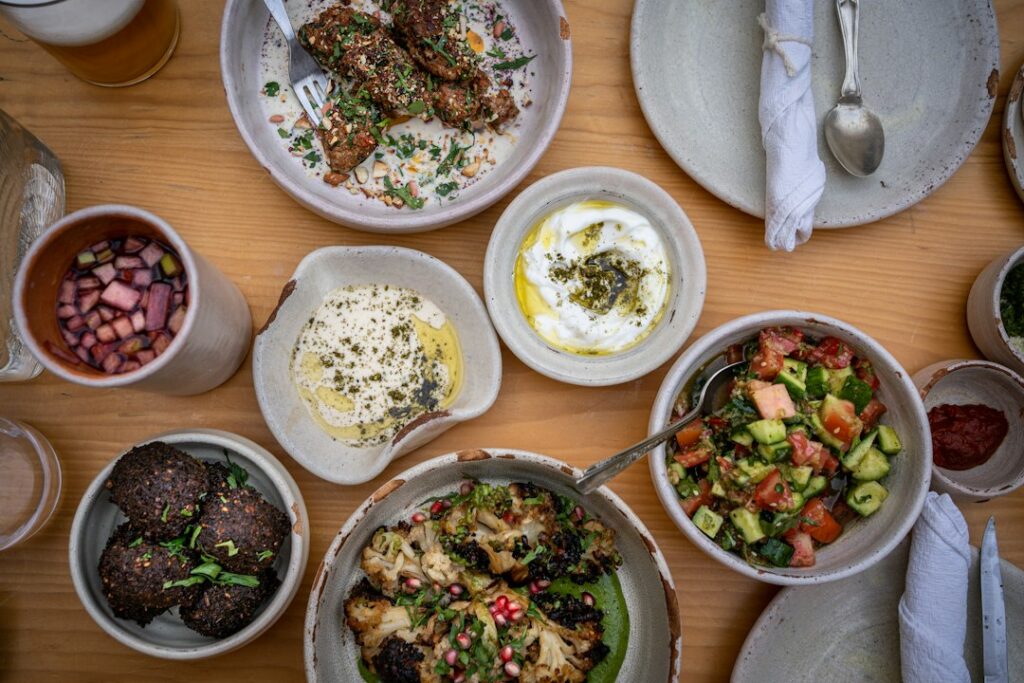
Picture This: A Vibrant Mediterranean Table
Imagine sitting at a sun-drenched table by the shimmering sea, surrounded by the vibrant colors and tantalizing aromas of fresh ingredients. A platter of grilled fish drizzled with olive oil, a colorful salad bursting with ripe tomatoes and fragrant herbs, and crusty whole-grain bread lie before you. You take a bite, and it’s not just delicious; it’s nourishing your heart and soul.
Worth knowing about while we're on the topic: GNC Mega Men Multivitamin — View on Amazon.
The Mediterranean diet is more than a way of eating; it’s a lifestyle woven into the very fabric of Mediterranean culture. But what if I told you that adopting this flavorful diet could significantly reduce your risk of heart disease and transform your overall health? This is not just a culinary adventure; it’s a health revolution!
Understanding Heart Disease: The Silent Threat
Heart disease is a leading cause of death globally, claiming millions of lives each year. It often sneaks up on you, with silent symptoms that might not manifest until it’s too late. Factors like high blood pressure, high cholesterol, and obesity can contribute to its development, but the good news is: you have the power to combat these risks.
According to recent studies, individuals who adhere to a Mediterranean diet have experienced a marked decrease in cardiovascular events. This isn’t just about avoiding fried foods and sugary snacks; it’s about embracing a rich variety of wholesome, heart-friendly foods.
The Core Components of the Mediterranean Diet
At the heart of the Mediterranean diet lies a harmonious balance of various food groups:
- Fruits and Vegetables: Colorful and nutrient-dense, they provide essential vitamins and antioxidants.
- Whole Grains: Think brown rice, quinoa, and whole-grain bread that keep your heart healthy.
- Healthy Fats: Olive oil is the star here—rich in monounsaturated fats, it can help lower bad cholesterol levels.
- Fish and Lean Proteins: Fish, especially fatty types like salmon and sardines, are rich in omega-3 fatty acids, which have been shown to reduce heart disease risk.
- Nuts and Legumes: Almonds, walnuts, lentils, and chickpeas provide plant-based protein and healthy fats.
- Herbs and Spices: Instead of salt, these flavorful additions can enhance health and reduce disease risk.
How the Mediterranean Diet Protects Your Heart
Studies have shown that the Mediterranean diet can lower blood pressure and improve cholesterol levels. Let’s dive into how some of its components work together to fortify your heart.


GNC Mega Men Multivitamin
Supports heart and prostate health with clinically studied antioxidants.


Pure Encapsulations Multivitamin — Supports overall health with essential vitamins and antioxidants.
Check Price on Amazon
The Power of Olive Oil
Olive oil is a cornerstone of this diet and does wonders for your cardiovascular system. Rich in antioxidants and anti-inflammatory properties, it can help prevent arterial plaque buildup. Just a couple of tablespoons a day can make a significant difference in heart health.
Omega-3 Fatty Acids
Omega-3s, primarily found in fish like mackerel and tuna, are known to lower triglyceride levels and reduce the risk of arrhythmias. Research indicates that incorporating these fish into your meals at least twice a week can dramatically improve your heart’s function.
Fiber from Fruits, Vegetables, and Whole Grains
Fiber is essential for maintaining a healthy digestive system, but it also plays a crucial role in heart health. By lowering cholesterol and improving blood sugar levels, fiber-rich foods such as legumes, oats, and whole grains can help you manage your weight and reduce heart disease risk.
Real-Life Stories of Transformation
Consider Maria, a 55-year-old school teacher who was struggling with high cholesterol and weight gain. After adopting the Mediterranean diet, she replaced her breakfast cereal with Greek yogurt topped with fresh berries and nuts. Within a few months, her cholesterol levels dropped significantly, and she lost 15 pounds without feeling deprived. Maria now enjoys cooking Mediterranean dishes with her family, turning her meals into a joyful experience.
Then there’s John, a 45-year-old accountant who enjoyed a sedentary lifestyle filled with takeout food. Motivated by his family history of heart disease, he sought to change his eating habits. By focusing on fresh produce and preparing meals like grilled chicken with roasted vegetables drizzled in olive oil, he found that he was not only losing weight but also feeling more energetic and alert at work.
The Research Is Clear
A comprehensive study published in the New England Journal of Medicine found that individuals following a Mediterranean diet had a 30% lower risk of major cardiovascular events compared to those on a low-fat diet. This includes heart attacks, strokes, and heart-related deaths.
Another study demonstrated that participants who adhered to this diet had better heart health due to reduced inflammation and improved blood vessel function. The evidence continues to pile up, showing that this approach to eating is not just a trend; it’s a sustainable roadmap to longevity and health.
Making the Mediterranean Diet Work for You
Transitioning to a Mediterranean lifestyle doesn’t have to be overwhelming. Here are some practical tips to get started:
- Start Small: Incorporate one Mediterranean meal a week and gradually increase the frequency.
- Explore New Recipes: Visit local farmers’ markets and experiment with seasonal produce.
- Cook at Home: Preparing meals can be healthier and less expensive than dining out. Try homemade Mediterranean dishes like tabbouleh or ratatouille.
- Mindful Eating: Take your time to savor each bite. Enjoying your food can help you feel more satisfied and less likely to overeat.
- Stay Active: Combine your new eating habits with physical activity. A daily walk or joining a dance class can complement your Mediterranean lifestyle.
A Word of Caution
While the Mediterranean diet is largely beneficial, there are some important considerations to keep in mind:
- Quality Over Quantity: Not all olive oils are created equal. Look for extra virgin olive oil for maximum health benefits.
- Limit Processed Foods: Just because it’s labeled Mediterranean doesn’t mean it’s healthy. Always check the ingredients.
- Consult a Healthcare Professional: Before making drastic changes to your diet, especially if you have pre-existing conditions, it’s wise to consult a doctor or a nutritionist.
Wrapping It Up: Your Heart Will Thank You
Embracing the Mediterranean diet is more than just a dietary choice; it’s a commitment to improving your heart health and overall well-being. By incorporating fresh, wholesome ingredients and making conscious choices, you can greatly reduce your risk of heart disease. Just like Maria and John, you too can embark on a transformative health journey that not only enhances your longevity but also enriches your life with delicious meals.
The Mediterranean diet is vibrant, fulfilling, and scientifically backed to promote better health. So, why not start today? Your heart will not only thank you; your entire body will thrive.
Pure Encapsulations Multivitamin — Supports overall health with essential vitamins and antioxidants.
Check Price on Amazon
This article is for general informational purposes only and is not medical advice. It is not a substitute for professional medical diagnosis, treatment, or care. Always consult a qualified healthcare provider with any questions about a medical condition or before making changes to your health routine.
As an Amazon Associate I earn from qualifying purchases.
This post may contain affiliate links — if you make a purchase through them, we may earn a small commission at no additional cost to you.