Great Health Great Fitness

Understanding the Bundibugyo Virus Outbreak: What You Need to Know
Explore the recent outbreak of the Bundibugyo virus in Uganda and the Democratic Republic of the Congo, its symptoms, transmission, and community responses.
A New Wave of Concern: The Bundibugyo Virus
Imagine you’re living in a small village in the Democratic Republic of the Congo or Uganda. You wake up one morning to hear reports of a strange and deadly illness beginning to spread. It’s not just the flu; it’s the Bundibugyo virus, a strain of the infamous Ebola virus. This is not just another headline—it’s a real threat to communities that have already faced the horrors of Ebola in the past.
The Basics of the Bundibugyo Virus
The Bundibugyo virus was first identified during an outbreak in Uganda in 2007, and it belongs to the same family of viruses as the more notorious Zaire and Sudan strains. Health officials, guided by the World Health Organization (WHO), have issued warnings about recent cases in both Uganda and the Democratic Republic of the Congo. What makes this virus particularly concerning is its ability to spread quickly in communities with limited healthcare resources.
Symptoms: What to Look Out For
If you were to contract the Bundibugyo virus, you might initially experience flu-like symptoms: fever, chills, headache, and muscle pain. But things can escalate quickly. Within a few days, you could develop more severe symptoms such as vomiting, diarrhea, and in some cases, internal and external bleeding. It’s important to recognize these symptoms as they can occur swiftly, typically between 2 to 21 days after exposure.
How is it Spread?
The Bundibugyo virus is transmitted through direct contact with the bodily fluids of an infected person, such as blood, saliva, or vomit. This means that caregivers and family members are particularly at risk if they are not following strict hygiene protocols. Additionally, the virus can also spread through contact with contaminated surfaces or objects.
Recent Developments: The Current Situation
The WHO has confirmed that Uganda and the DRC are currently facing an outbreak of the Bundibugyo virus. Local health authorities are mobilizing to contain the spread. This involves not just isolating infected individuals but also conducting contact tracing and increasing public awareness about the virus. Immediate action is crucial to prevent further transmission.
Community Response: What’s Being Done?
In response to this outbreak, local healthcare systems are being tested to their limits. Health workers in both countries are ramping up efforts to educate communities about the virus. This includes teaching residents how to identify symptoms, the importance of seeking medical attention, and proper hygiene practices.
- Wash hands regularly with soap and water or use hand sanitizer.
- Avoid direct contact with anyone showing symptoms.
- Dispose of waste safely and hygienically.
However, the task is daunting. Misinformation can spread just as quickly as the virus itself. In areas where fear and uncertainty reign, it’s essential for communities to receive accurate information to combat the panic that can exacerbate the situation.
The Role of the WHO and International Community
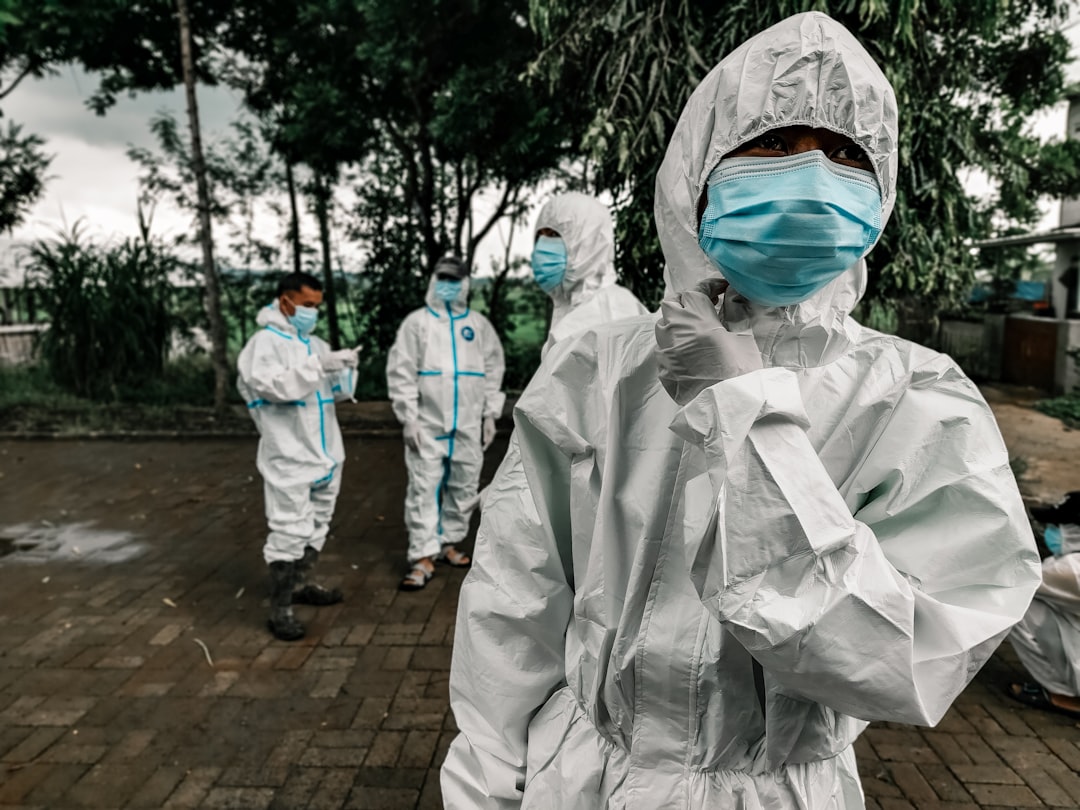
The WHO has been pivotal in coordinating the international response to this outbreak. They are working closely with local governments to provide the necessary resources, training, and support to health workers on the ground. This includes supplying protective gear and ensuring that healthcare facilities are equipped to handle patients.
Moreover, research into vaccines for the Bundibugyo virus is ongoing. Recent advancements in viral research could lead to effective preventive measures in the future. Funding and support for research are critical components in this fight against not just the Bundibugyo virus, but all strains of Ebola.
The Importance of Preparedness
History has shown us that outbreaks can escalate rapidly if not addressed promptly. Countries with previous Ebola experiences, such as Uganda and the DRC, understand the implications of such viruses all too well. Having established protocols and a trained healthcare workforce can make a significant difference in managing new outbreaks.
Public health campaigns are essential. They not only raise awareness but also foster a sense of community responsibility. If everyone is educated on the symptoms and transmission of the Bundibugyo virus, it could save lives. Governments and health organizations must prioritize these strategies to mitigate the spread of the virus.
What Can You Do?
If you’re in an area at risk, the best thing you can do is to stay informed and take precautionary measures. Be proactive in your community. Share accurate information with family and friends, and encourage them to practice good hygiene. If you notice symptoms in yourself or someone you know, seek medical help immediately.
Even outside of outbreak zones, staying informed is crucial. Health organizations often share valuable information that can help you recognize the signs of emerging health threats. Don’t underestimate the power of knowledge; it can be your best defense.
A Global Challenge
The outbreak of the Bundibugyo virus is a reminder that infectious diseases can affect communities worldwide, regardless of geographic boundaries. As interconnected as we are, the fight against viruses is a collective one. Solutions must encompass not just local responses but also global collaboration.
We all have a role to play. Whether it’s through advocacy for healthcare funding or simply sharing information, every action counts. As the situation develops, we must remain vigilant, informed, and compassionate towards those affected.
In Conclusion: Vigilance is Key
The Bundibugyo virus outbreak serves as a pressing reminder of the fragility of our health systems and the importance of preparedness. Communities affected by the virus need our support, understanding, and respect as they navigate this challenging time. By staying informed and taking necessary precautions, we can all contribute to the effort of containing this virus and protecting public health.
This article is for general informational purposes only and is not medical advice. It is not a substitute for professional medical diagnosis, treatment, or care. Always consult a qualified healthcare provider with any questions about a medical condition or before making changes to your health routine.