Great Health Great Fitness

Boost Your Heart Health: The Essential Role of Fiber in Lowering Cholesterol and Blood Pressure
Discover how increasing fiber intake can significantly improve your heart health by lowering cholesterol and blood pressure.

Why You Should Care About Fiber and Your Heart
Imagine this: You’re sitting in a cozy café with your favorite cup of herbal tea, glancing through a magazine when you come across an article that mentions how fiber can be a superhero for your heart health. You stop, intrigued, because heart disease is the leading cause of death globally. Suddenly, you realize how essential it is to safeguard your heart—not just for today, but for many tomorrows. But how does something as simple as fiber fit into this picture?
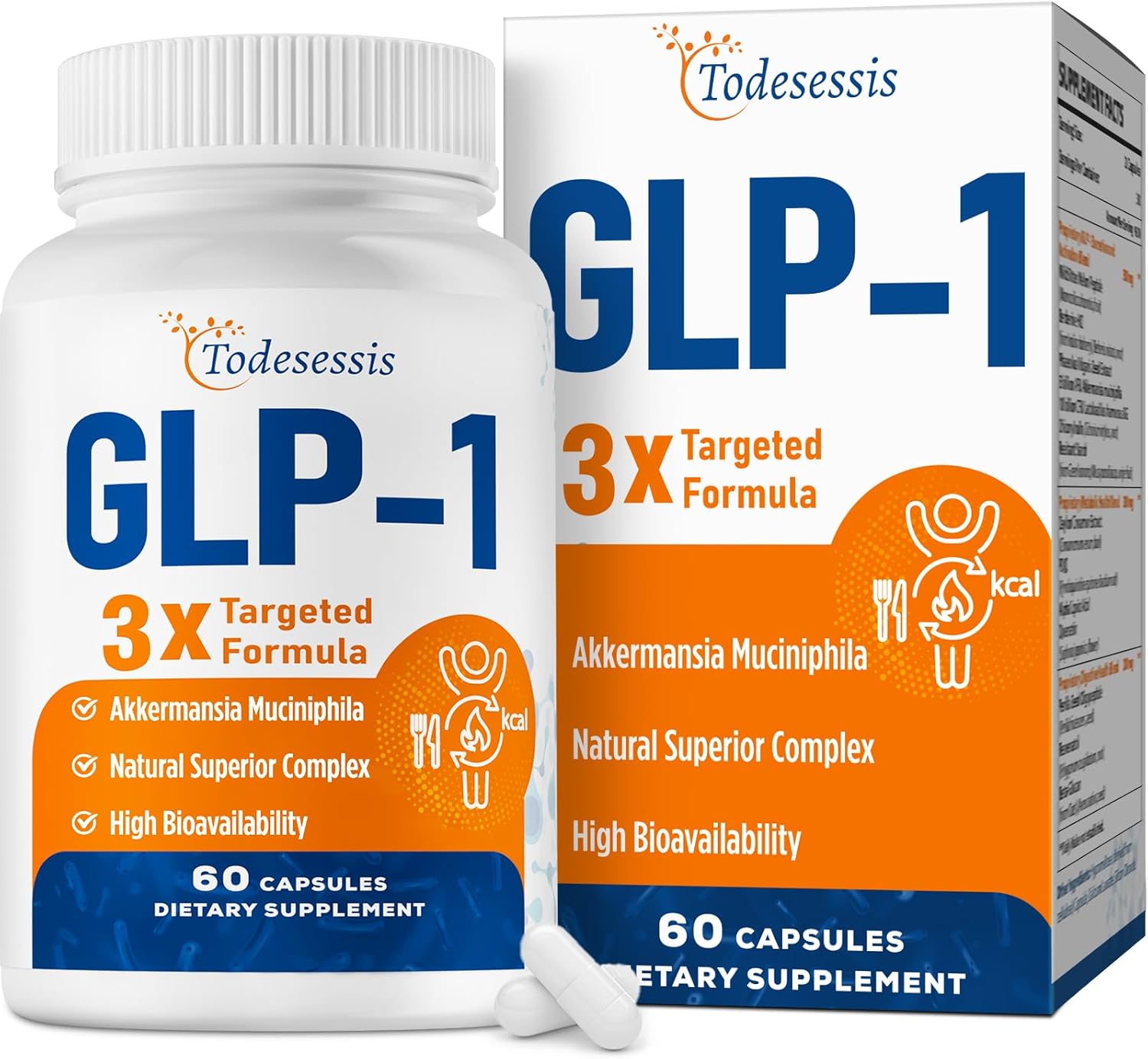
Before diving in — if you're looking for practical support, GLP-1 Probiotic Supplement is worth a look — See Latest Price.
The Heart of the Matter: What Fiber Does
When we think of heart health, we often picture cholesterol levels, blood pressure readings, and maybe a treadmill or two. However, many overlook fiber—a crucial element in your diet that can play a significant role in keeping your heart in check. Fiber, found in fruits, vegetables, whole grains, and legumes, helps your body in several impactful ways.
 Editor's Pick
Balance of Nature Supplement — Supports daily nutrition with whole fruit and vegetable ingredients.
Check Price on Amazon
How Fiber Helps Lower Cholesterol
Let’s start with cholesterol. The two types of cholesterol that are often discussed are LDL (low-density lipoprotein), known as “bad” cholesterol, and HDL (high-density lipoprotein), often referred to as “good” cholesterol. A diet rich in soluble fiber can help reduce LDL levels in your bloodstream.
When you consume soluble fiber, it dissolves in water to form a gel-like substance in your intestines. This gel binds with cholesterol particles and helps expel them from your body. In effect, it acts like a sponge, soaking up excess cholesterol and reducing its levels in your blood. Foods such as oats, beans, lentils, apples, and citrus fruits are excellent sources of soluble fiber.
Blood Pressure Benefits You Didn’t Expect
Now, let’s talk about blood pressure. Research indicates that increasing fiber intake might help lower blood pressure levels, particularly systolic blood pressure. This is significant because high blood pressure is often dubbed the “silent killer,” as it usually has no symptoms.
One study found that for every 10 grams of fiber consumed daily, participants experienced a reduction in systolic blood pressure by about 1 mmHg. To put that into perspective, this reduction can be quite beneficial for those at risk of hypertension. Foods rich in potassium, such as beans and leafy greens, can further enhance these effects since potassium helps balance sodium levels in your body.
Making the Fiber Connection
Now that we’ve established how fiber can impact cholesterol and blood pressure, let’s make the connection even more practical. Here are some easy ways to increase your fiber intake:
- Start your day with oatmeal: Instead of sugary cereals, opt for a bowl of oatmeal topped with sliced bananas or berries. Not only does this boost your fiber content, but it also keeps you fuller longer.
- Snack on fruits and nuts: Choose snacks like an apple with almond butter or a handful of raw almonds. This way, you can add fiber without feeling deprived.
- Choose whole grains: Switch your white bread and pasta for whole grain options. Whole grains generally contain more fiber and nutrients.
Real-Life Application: A Day in the Life of Fiber
Let’s create a scenario with Sara, a 35-year-old office worker. Sara has been feeling a little sluggish lately, and her doctor has advised her to lower her cholesterol levels. She decides to tackle this with a fiber boost. For breakfast, she opts for a smoothie made with spinach, banana, and a scoop of chia seeds. This combination is not only delicious but also brimming with fiber.
For lunch, she prepares a quinoa salad loaded with vegetables and a sprinkle of feta cheese. By the time she gets to dinner, she’s eager to try a new recipe: lentil soup with whole grain bread. Sara has incorporated fiber into every meal without feeling like she sacrificed her favorite dishes.
Understanding the Different Types of Fiber
While we often think of fiber as one entity, it actually comes in two types: soluble and insoluble. Both are vital, but they have different roles in your body:
- Soluble Fiber: Found in foods like oats, apples, and beans, it dissolves in water and helps lower cholesterol levels.
- Insoluble Fiber: Found in whole grains and vegetables, this type does not dissolve in water and aids in digestion, helping to prevent constipation.
By combining both types in your diet, you not only enhance your heart health but also support your digestive system.
 Worth a Look
GLP-1 Probiotic Supplement
Supports metabolism and gut health with a unique probiotic blend.
Fiber Gone Wrong: Cautionary Notes
While fiber is beneficial, it’s critical to increase your intake gradually. Jumping headfirst into a high-fiber diet can lead to digestive discomfort such as gas and bloating. Start with small changes and increase your intake over time.
Additionally, don’t forget to hydrate. Drinking plenty of water can help fiber do its job effectively and prevent the aforementioned discomfort. It’s also essential to talk to your healthcare provider before making significant dietary changes, especially if you have existing health conditions.
Practical Steps to Boost Fiber Intake
Now that you’re equipped with knowledge about fiber, let’s dive deeper into practical steps you can take to incorporate more fiber into your daily routine:
- Plan your meals: Set aside time each week to plan fiber-rich meals. Having a plan reduces the chances of unhealthy snacking.
- Read food labels: Look for whole grain products and check the fiber content. The more fiber, the better!
- Experiment with recipes: Try new recipes that feature high-fiber ingredients. You might discover new favorites!
Fiber and Lifestyle: A Holistic Approach
It’s essential to remember that while fiber is a valuable ally in your quest for heart health, it should be part of a holistic approach. Regular physical activity, stress management, and other healthy eating patterns are crucial as well.
Consider joining a local walking group or exercise class. When you combine fiber-rich foods with an active lifestyle, you significantly boost your chances of maintaining optimal heart health.
From Awareness to Action
Heart disease is a serious concern, but the good news is that you can take proactive steps to protect yourself. Increasing your fiber intake is a simple yet effective strategy. Remember, you don’t have to overhaul your entire diet overnight; start small and gradually build up your fiber intake.
As you make these changes, keep in mind that everyone’s body is different. It’s crucial to listen to your body and consult with a healthcare provider for personalized advice. They can guide you on the best foods and habits tailored to your needs.
Your Heart Will Thank You
By prioritizing fiber in your diet, you’re not just making a choice for today; you’re investing in your future health. Picture yourself years from now, feeling energetic and vibrant, all because you took action today. Isn’t that a lovely thought?
Popular ChoiceBalance of Nature Supplement — Supports daily nutrition with whole fruit and vegetable ingredients.
Check Price on Amazon
This article is for general informational purposes only and is not medical advice. It is not a substitute for professional medical diagnosis, treatment, or care. Always consult a qualified healthcare provider with any questions about a medical condition or before making changes to your health routine.
As an Amazon Associate I earn from qualifying purchases.
This post may contain affiliate links — if you make a purchase through them, we may earn a small commission at no additional cost to you.