


The Hidden Enemy: Chronic Inflammation
Imagine this: You wake up one day and notice a swelling in your joints, fatigue that seems to linger all day, and a general sense of malaise that you can’t quite shake off. You brush it off as a busy week, but deep down, you know something isn’t right. What if I told you that these seemingly innocuous symptoms could be signs of chronic inflammation, a condition linked to serious health issues, including cardiovascular disease?
Before diving in — if you're looking for practical support, Balance of Nature Supplement is worth a look — Check Price on Amazon.
Chronic inflammation is often described as the silent killer, lurking in the background and affecting your body in ways you might not immediately notice. It’s not just a fleeting response to an injury or infection; it’s a long-term issue that can lead to various diseases, including heart disease. The good news is that by adopting a heart-healthy diet, you can help manage chronic inflammation and significantly reduce your risk of cardiovascular problems.
The Connection Between Diet and Inflammation
What you eat plays a crucial role in your body’s inflammatory response. Certain foods can trigger inflammation, while others can help to calm it down. For example, a diet high in processed foods, sugars, and unhealthy fats can lead to an increase in inflammatory markers in your body, which might manifest as chronic pain, fatigue, and other symptoms. On the flip side, a diet rich in whole foods, including fruits, vegetables, whole grains, lean proteins, and healthy fats, can help combat inflammation.


Balance of Nature Supplement
Supports daily nutrition with whole fruit and vegetable ingredients.
Let’s take a closer look at some foods that are particularly beneficial:
- Fruits and Vegetables: Berries, cherries, spinach, and kale are packed with antioxidants that fight inflammation.
- Healthy Fats: Foods rich in omega-3 fatty acids, like salmon, walnuts, and flaxseeds, are known to reduce inflammation.
- Whole Grains: Brown rice, quinoa, and whole-grain bread can help maintain stable blood sugar levels, reducing inflammation.
- Spices: Turmeric and ginger possess potent anti-inflammatory properties.
By incorporating these foods into your daily meals, you’re taking significant strides toward reducing inflammation in your body.


GNC Mega Men Multivitamin — Supports heart and prostate health with clinically studied antioxidants.
View on Amazon
Understanding the Risks of Chronic Inflammation
Chronic inflammation doesn’t just affect your joints or cause fatigue; it can lead to serious complications, particularly concerning your heart health. Research shows that chronic inflammation can damage your blood vessels, increasing the risk of atherosclerosis, which is the buildup of plaque in your arteries. This condition can eventually lead to heart attacks or strokes. Ignoring these symptoms can be dangerous.
Moreover, factors like obesity, stress, and lack of physical activity can exacerbate inflammation. It’s a vicious cycle: inflammation leads to weight gain, which further promotes inflammation. Understanding this link is crucial. You might be asking yourself, “How do I break this cycle?” The answer lies in making dietary changes that prioritize your heart health.
Building a Heart-Healthy Plate
So, how do you create meals that support your heart and combat chronic inflammation? Here’s a simple framework:
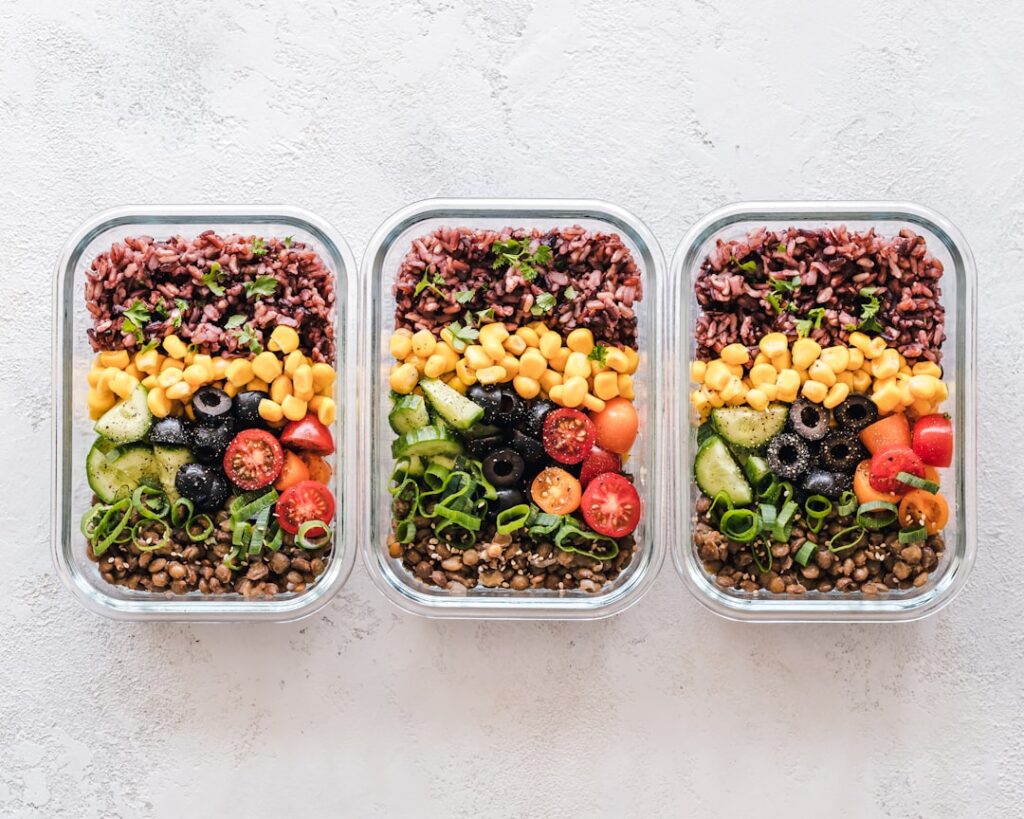
- Start with Color: Fill half your plate with colorful fruits and vegetables. Think reds, greens, and yellows!
- Choose Whole Grains: Opt for quinoa, brown rice, and whole-wheat pasta instead of their refined counterparts.
- Lean Proteins: Incorporate more fish, poultry, legumes, and nuts while limiting red and processed meats.
- Healthy Fats: Use olive oil or avocado oil for cooking and dressings.
To illustrate, imagine preparing a dinner of grilled salmon topped with a squeeze of lemon, served alongside roasted Brussels sprouts and quinoa cooked with garlic and herbs. Not only is this dish delicious, but it’s also a powerhouse in fighting inflammation.
The Power of Meal Planning
Meal planning is a practical tool that can help you stick to a heart-healthy diet. By dedicating some time each week to plan your meals, you can avoid the last-minute rush that often leads to unhealthy choices. Try to set aside a few hours on the weekend to prepare meals for the week. Chop vegetables, marinate proteins, and even batch-cook grains. This way, when you’re tired after a long day, you’ll have healthy options ready to go.
Additionally, consider keeping a food diary. Tracking your meals can provide insights into what works for you and what doesn’t, revealing patterns that might contribute to inflammation. Monitoring your diet can empower you to make informed choices.
Making Sustainable Changes
Switching to a heart-healthy diet doesn’t have to mean drastic changes overnight. Instead, aim for small, sustainable adjustments. Start by replacing one unhealthy snack with a piece of fruit or swapping out soda for sparkling water infused with lemon or lime. These small victories can build momentum and confidence in your ability to make healthier choices.
Another strategy is to experiment with new recipes. Trying out different cuisines can make your meals exciting and diverse while still being nutritious. For example, explore Mediterranean recipes, which emphasize vegetables, whole grains, and healthy fats—perfect for combating inflammation.
The Role of Regular Exercise
While diet is paramount, regular physical activity also plays an integral role in managing chronic inflammation. Exercise boosts circulation, helps maintain a healthy weight, and releases endorphins, which can alleviate stress—another contributor to inflammation. Aim for at least 150 minutes of moderate activity per week, such as brisk walking or cycling.
Consider incorporating strength training exercises as well. Resistance training can help build muscle mass, which is beneficial for metabolism and can reduce inflammation. Remember, leading a sedentary lifestyle increases your risk of chronic inflammation and cardiovascular disease.
Listen to Your Body
As you embark on your journey toward a heart-healthy diet, it’s essential to listen to your body. Pay attention to how foods make you feel. Some people notice that dairy products or gluten can trigger inflammation. Keeping a journal can help you identify these triggers. Share your findings with a qualified healthcare provider to tailor your diet to your needs.
Being mindful of portion sizes is also crucial. Overeating, even healthy foods, can lead to weight gain and inflammation. Practice moderation and enjoy your food thoughtfully. Mindful eating can enhance your relationship with food.
The Long-Term Benefits of a Heart-Healthy Diet
Adopting a heart-healthy diet is not just about preventing cardiovascular disease—it’s about enhancing your overall quality of life. When you prioritize nutrition, you’ll likely experience better energy levels, improved mood, and fewer health complications as you age. Imagine having the vitality to enjoy activities you love, whether it’s playing with your grandchildren or hiking in nature.
Furthermore, a healthy diet can have a profound impact on mental well-being. Emerging research suggests that what you eat can influence your mood and cognitive function, which is just another reason to focus on a nutrient-rich diet.
Your Journey Starts Now
It’s clear that the link between a heart-healthy diet, chronic inflammation, and cardiovascular disease is significant. By making conscious choices about what you eat, you can take control of your health and significantly reduce your risk of serious illnesses. Remember, it’s never too late to start making changes. Every meal is an opportunity to nourish your body and promote well-being.
So, what are you waiting for? Start today by incorporating more whole foods into your diet and taking small steps toward a healthier lifestyle. Your heart—and your entire body—will thank you for it.
GNC Mega Men Multivitamin — Supports heart and prostate health with clinically studied antioxidants.
View on Amazon
This article is for general informational purposes only and is not medical advice. It is not a substitute for professional medical diagnosis, treatment, or care. Always consult a qualified healthcare provider with any questions about a medical condition or before making changes to your health routine.
As an Amazon Associate I earn from qualifying purchases.
This post may contain affiliate links — if you make a purchase through them, we may earn a small commission at no additional cost to you.