Great Health Great Fitness

Nipah Virus: Understanding the Risks and How to Stay Safe
Explore the dangers of the Nipah virus and learn how to protect yourself and your community from this emerging health threat.
The Return of the Nipah Virus: What You Need to Know
As health headlines flash regarding the Nipah virus, it’s essential to understand what this disease entails and why it’s a significant concern for global health. The World Health Organization (WHO) recently updated its fact sheet on this dangerous virus, and you might be wondering: should you be concerned? What exactly is the Nipah virus, and how can it affect you and your loved ones?
If this resonates with you, Balance of Nature Supplement might be worth checking out — Check Price on Amazon.
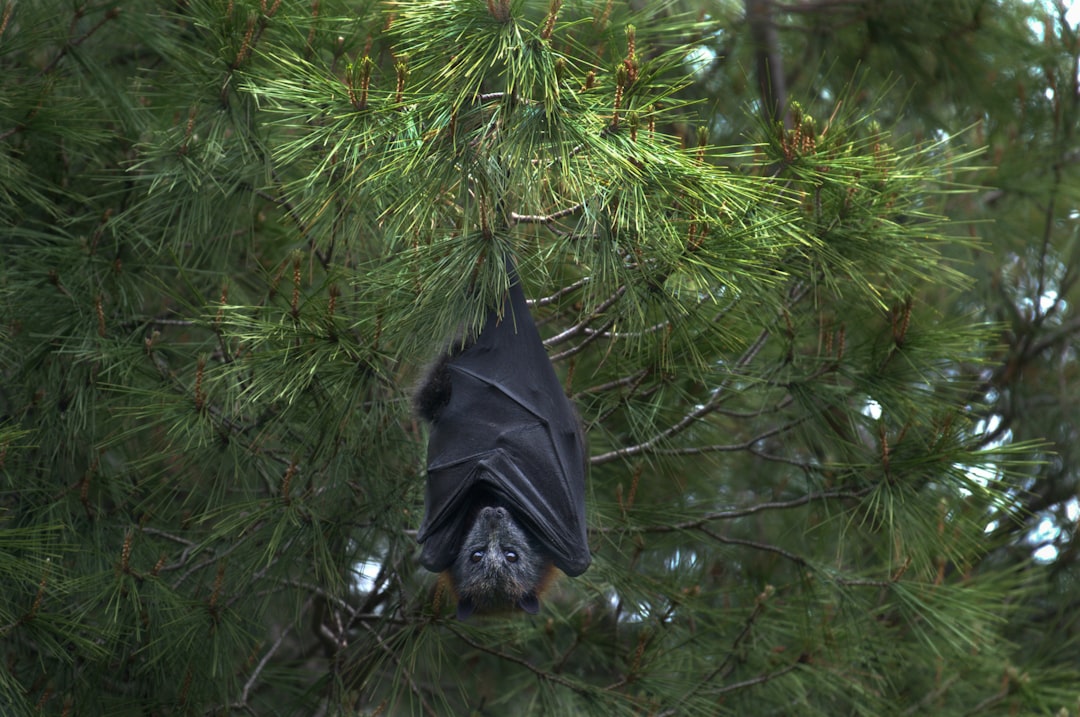
Originating from bats, the Nipah virus is a zoonotic virus, meaning it can jump from animals to humans. First identified in Malaysia in 1998, it caused a severe outbreak linked to pig farming. Since then, it has reemerged in various forms, alarming health officials worldwide. With symptoms ranging from fever and headache to respiratory problems and, in severe cases, encephalitis, the Nipah virus poses a real threat to public health.
Understanding the Symptoms and Transmission
The symptoms of Nipah virus infection can often resemble other viral illnesses, starting with:
- Fever
- Headache
- Dizziness
- Respiratory issues
- Confusion
One of the most concerning aspects of this virus is the potential for rapid progression to more severe symptoms, including encephalitis (inflammation of the brain) and coma. The incubation period typically ranges from 5 to 14 days, but this can vary. It’s this unpredictability that makes Nipah so alarming.
How is Nipah Virus Transmitted?
The Nipah virus has several routes of transmission:
- Direct contact with infected bats: The primary reservoir for the virus is fruit bats, especially those of the Pteropus genus. When these bats shed the virus through saliva, urine, or feces, it can contaminate fruit or surfaces.
- Human-to-human transmission: This can occur through close contact with infected individuals, particularly through respiratory droplets or bodily fluids.
- Contaminated food products: Consuming fruits that have been contaminated by bats or products made from infected animals can also lead to infection.
While outbreaks have been sporadic, the risk of human-to-human transmission is a significant concern, especially in healthcare settings.
 Worth a Look
Balance of Nature Supplement
Supports daily nutrition with whole fruit and vegetable ingredients.
 Editor's Pick
One A Day Women's Vitamins — Supports women's health with essential vitamins and minerals.
View on Amazon
Recent Outbreaks and Global Response
The WHO’s recent fact sheet highlighted that outbreaks have occurred primarily in South and Southeast Asia. Countries like Bangladesh and India have seen significant cases in recent years, prompting health authorities to implement stringent surveillance and containment measures.
For example, in Bangladesh, where Nipah has become endemic, health officials have initiated active surveillance in areas where outbreaks have occurred. Vaccination campaigns targeting potential hosts, such as pigs, are also part of the strategy to prevent future outbreaks.
As part of the global response, the WHO emphasizes the importance of research to develop effective vaccines and treatments. Currently, no specific antiviral treatment exists for Nipah virus infections, making prevention and control crucial in managing the disease.
What Can You Do to Protect Yourself?
While the risk of Nipah virus transmission is primarily localized to specific regions, there are general precautions you can take, especially if you live in or travel to areas where outbreaks have been reported:
- Avoid contact with bats: This cannot be stressed enough. Ensure you steer clear of areas where bats are known to roost.
- Practice good hygiene: Wash your hands regularly, especially after being in crowded places or caring for sick individuals.
- Be cautious with food: Only consume fruits that have been properly washed and peeled, especially if sourced from areas where Nipah has been reported.
If you experience symptoms consistent with the Nipah virus and have traveled to affected areas or had contact with infected animals or people, seek medical attention immediately.
The Importance of Awareness and Preparedness
With diseases like Nipah, awareness can be a game changer. Public health campaigns that educate communities about the risks associated with the virus are vital. By informing people about the transmission routes and symptoms, we can help reduce the stigma surrounding the illness and promote quicker response times when cases arise.
Furthermore, healthcare workers must be equipped with the knowledge and resources to handle potential cases effectively. This includes understanding the necessary protective measures and being able to identify symptoms early.
Global Collaboration for Future Preparedness
As we navigate through various health crises worldwide, collaboration becomes increasingly critical. The Nipah virus serves as a reminder that infectious diseases do not conform to geographical boundaries. Countries must work together, sharing data and strategies to combat this and other zoonotic diseases.
Research institutions, governments, and NGOs should collaborate on vaccine development and treatment protocols. With the recent advancements in genetic research and technology, there is hope that more effective preventive measures can be developed in the future.
Conclusion: Staying Informed and Vigilant
The Nipah virus is a potent reminder of the interconnectedness of our world and the continuous threats posed by emerging infectious diseases. As you engage in conversations about health and safety, remember the following:
- Stay informed about local outbreaks: Knowledge is power, and understanding the risks associated with Nipah can empower you to take necessary precautions.
- Advocate for public health measures: Encourage your community to prioritize health education and awareness initiatives.
- Finally, remember that while the Nipah virus represents a significant health threat, your proactive steps can contribute to a safer public environment. Together, we can navigate the challenges ahead.
RecommendedOne A Day Women's Vitamins — Supports women's health with essential vitamins and minerals.
View on Amazon
This article is for general informational purposes only and is not medical advice. It is not a substitute for professional medical diagnosis, treatment, or care. Always consult a qualified healthcare provider with any questions about a medical condition or before making changes to your health routine.
As an Amazon Associate I earn from qualifying purchases.
This post may contain affiliate links — if you make a purchase through them, we may earn a small commission at no additional cost to you.