

Imagine This: A Transformative Journey
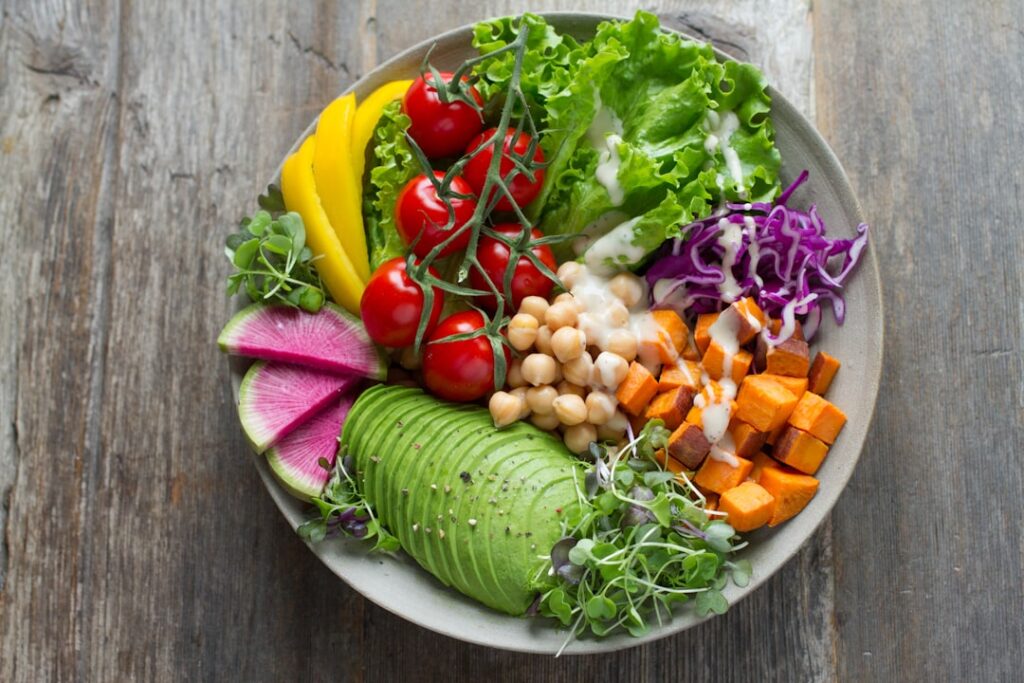
Picture yourself waking up one morning, energized and ready to seize the day. You step outside, breathe in the fresh air, and feel a sense of calm wash over you. You have a routine now—a daily walk, a colorful plate of fresh fruits and vegetables, and a newfound awareness of your health. High blood pressure is no longer a looming threat; it’s something you manage with confidence, thanks to the delicious and vibrant plant-based meals you’ve embraced.
Quick tip: many readers have found Balance of Nature Supplement genuinely helpful here — Check Price on Amazon.
The Connection Between Diet and Blood Pressure
High blood pressure, or hypertension, affects nearly 1 in 3 adults in the U.S. alone. It’s often a silent condition, creeping up without noticeable symptoms until it manifests into more serious health issues, like heart disease or stroke. But what if I told you that the food on your plate can drastically influence your blood pressure readings?
Numerous studies have shown that a plant-based diet can significantly lower blood pressure. This diet focuses on whole, minimally processed foods, including fruits, vegetables, whole grains, legumes, nuts, and seeds. The benefits come not just from avoiding unhealthy foods, but also from the abundance of nutrients these plant-based foods provide.
What Does the Science Say?
Research is increasingly pointing toward a strong correlation between plant-based diets and lower blood pressure. In a study published in the American Journal of Hypertension, participants who adopted a vegetarian diet saw their systolic blood pressure drop by an average of 6.9 mm Hg and diastolic pressure by 4.7 mm Hg over just a few weeks.
Another significant piece of research from the Journal of the American College of Cardiology highlighted that diets rich in fruits and vegetables are linked with lower risks of hypertension. Antioxidants found in plant foods, such as flavonoids, play a crucial role in improving vascular function and reducing inflammation, both of which are key factors in managing blood pressure.
Concrete Benefits of a Plant-Based Diet
- Rich in Nutrients: Fruits and vegetables are packed with potassium, magnesium, and fiber—all essential nutrients for heart health.
- Weight Management: Plant-based diets are often lower in calories, making it easier to maintain a healthy weight, which is vital for blood pressure control.
- Reduced Sodium Intake: By focusing on whole foods, you can naturally lower your sodium intake, reducing blood pressure levels.
- Improved Gut Health: A diet high in fiber promotes a healthy gut microbiome, which can positively affect blood pressure.
These factors create a powerful combination that helps in managing blood pressure effectively.


NutriFlair Berberine — Supports healthy blood sugar levels and weight management.
Check Price on Amazon


Balance of Nature Supplement
Supports daily nutrition with whole fruit and vegetable ingredients.
How to Transition to a Plant-Based Diet
Making the switch to a plant-based diet doesn’t have to be overwhelming. Here’s how you can ease into it:
Start Slow
Begin by incorporating more plant-based meals into your week. Try Meatless Mondays or add a new vegetable to each dinner. Explore new grains like quinoa or farro and experiment with different legumes like chickpeas or lentils.
Learn to Love Your Veggies
Don’t just see vegetables as a side dish—make them the star of your meal. A colorful vegetable stir-fry or a hearty lentil soup can be both filling and satisfying. Avoid bland meals! Use herbs, spices, and healthy oils to enhance flavors.
Plan Your Meals
Meal prepping can make all the difference. Set aside a couple of hours on the weekend to prepare meals that you can grab during the week. This will help you avoid falling back on convenience foods that can be high in sodium and unhealthy fats.
Be Mindful of Nutrients
While a plant-based diet can be high in many nutrients, keep an eye on certain vitamins such as B12, iron, and omega-3 fatty acids. Consider fortified foods or supplements as necessary, and consult with a healthcare provider for personalized advice.
Practical Tips for Everyday Living
Here are a few practical tips to infuse more plant-based foods into your daily routine:
- Incorporate Smoothies: Start your day with a nutrient-dense smoothie filled with spinach, banana, and almond milk. It’s an easy way to pack in several servings of fruits and veggies.
- Snack Wisely: Swap chips for crunchy veggies with hummus or a handful of nuts. These small changes can make a big difference.
- Explore Plant-Based Proteins: Get creative with beans, lentils, and tofu. These foods are not only rich in protein but also help keep you full.
- Stay Hydrated: Drink plenty of water. Sometimes, we mistake thirst for hunger, leading to unnecessary snacking.
Real-Life Success Stories
Let’s talk about actual people who have made this dietary shift and seen remarkable results. Take Sarah, a 52-year-old woman diagnosed with hypertension. After being prescribed medication, she decided to explore dietary changes alongside her treatment. Within months of adopting a plant-based diet rich in fruits, vegetables, and whole grains, she saw her blood pressure drop significantly—enough that her doctor was able to reduce her medication.
Then there’s Mike, a 47-year-old father of three who struggled with weight and high blood pressure. After a family health scare, he was determined to change his lifestyle. He started cooking plant-based meals at home, involving his kids in the process. Not only did he lose weight, but his blood pressure fell to a healthy range—all while enjoying family dinners filled with laughter and vibrant foods.
Common Misconceptions About Plant-Based Diets
Transitioning to a plant-based diet can come with its own set of myths. Let’s debunk a few:
- Myth: You can’t get enough protein on a plant-based diet.
- Fact: There are numerous sources of plant-based protein, including lentils, chickpeas, quinoa, and nuts.
- Myth: Plant-based meals are boring.
- Fact: With endless recipe options and flavor profiles, plant-based cooking can be incredibly diverse and exciting!
Be Aware: Potential Challenges Ahead
While the benefits are vast, it’s important to acknowledge that changing your diet can come with challenges. Social situations can sometimes be tricky, especially at gatherings where plant-based options are limited. Planning ahead, bringing your own dish, or suggesting venues with more diverse menus can help navigate these situations.
Additionally, cravings for familiar foods may arise. It’s perfectly normal! Keep in mind that sometimes it’s about finding healthier alternatives. For instance, try a veggie burger instead of a beef burger or almond milk instead of dairy milk.
Final Thoughts on Embracing Plant Power
Embracing a plant-based diet can be a transformative journey, significantly impacting your ability to manage high blood pressure. With a plethora of delicious foods to choose from, meal prep ideas to explore, and inspiring stories to motivate you, the path to better health is within your reach.
As you consider this lifestyle change, remember to consult with a healthcare provider, especially if you’re currently managing hypertension. Your journey towards a healthier you can start with a single meal. Begin today, and allow the power of plants to nourish not just your body but your overall well-being!
NutriFlair Berberine — Supports healthy blood sugar levels and weight management.
Check Price on Amazon
This article is for general informational purposes only and is not medical advice. It is not a substitute for professional medical diagnosis, treatment, or care. Always consult a qualified healthcare provider with any questions about a medical condition or before making changes to your health routine.
As an Amazon Associate I earn from qualifying purchases.
This post may contain affiliate links — if you make a purchase through them, we may earn a small commission at no additional cost to you.