


Understanding the Chikungunya Virus
Picture this: you’re lounging under the tropical sun, when suddenly, a sharp pain shoots through your joints. What should have been a relaxing vacation turns into a frustrating reminder of the Chikungunya virus. As the Centers for Disease Control and Prevention (CDC) recently highlighted, certain areas are increasingly at risk for this debilitating illness. But what exactly is Chikungunya, and why should you care?
Worth knowing about while we're on the topic: One A Day Women's Vitamins — View on Amazon.
What is Chikungunya?
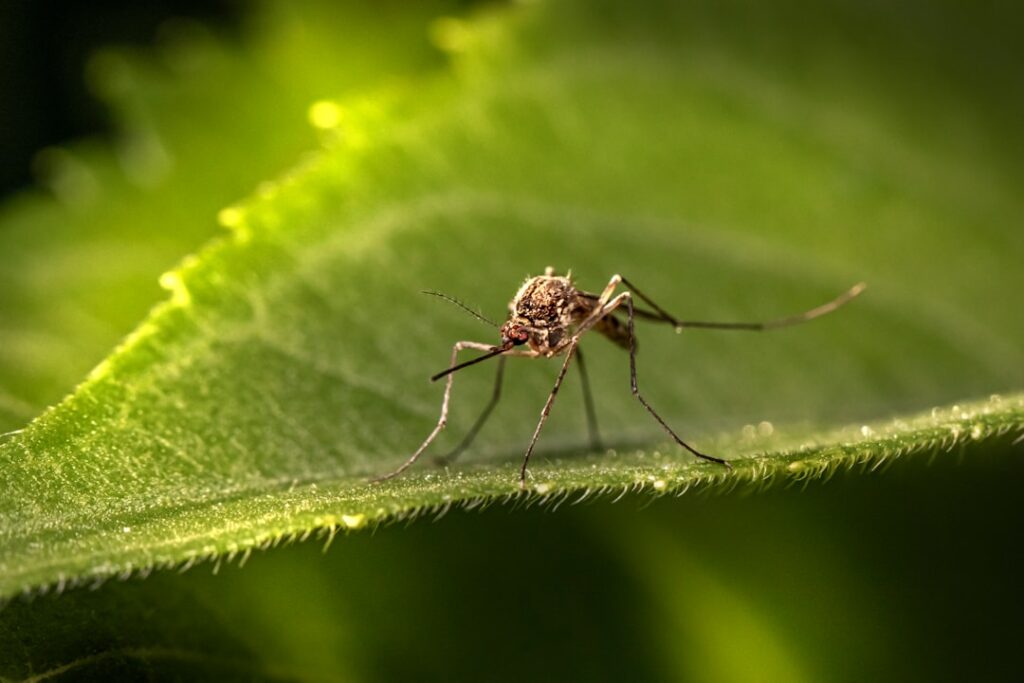
Chikungunya is a viral disease transmitted primarily by Aedes mosquitoes, which are known for their aggressive daytime biting habits. Symptoms typically include:
- High fever
- Severe joint pain that can last for weeks
- Headaches
- Muscle pain
- Rash and fatigue
Though Chikungunya is rarely fatal, its symptoms can significantly affect your quality of life. The name itself is derived from a word in the Makonde language, meaning “to become contorted,” a reference to the stooped appearance of those afflicted.
Recent Trends and Outbreak Areas
According to the CDC’s recent report, certain regions have seen a notable increase in cases. The virus has historically been endemic to Africa, but in recent decades, it has spread to Asia, the Americas, and the Caribbean. Areas of particular concern include:
- The Caribbean: Islands like Puerto Rico and the Dominican Republic have reported significant outbreaks.
- Central and South America: Countries such as Brazil and Colombia are frequently mentioned in health advisories.
- Southern United States: States like Florida and Texas have experienced localized outbreaks, particularly during summer months.
With climate change influencing mosquito habitats, the risk of Chikungunya spreading to new areas is a growing concern. Increased temperatures and altered rainfall patterns can create ideal breeding grounds for these pests.
Why Chikungunya is a Concern
The joint pain associated with Chikungunya can linger for months or even years after the initial infection, causing chronic suffering for many. Some may develop arthritis-like conditions that do not easily resolve. This persistent pain is a key reason why health officials are urging awareness.
Additionally, the symptoms can mimic those of other diseases, such as dengue fever and Zika virus, which can lead to diagnostic confusion. Misdiagnosis can delay treatment and worsen outcomes, making it essential to be informed.
Protecting Yourself: Key Precautions
So, how can you protect yourself from Chikungunya, especially if you’re traveling to high-risk areas? Here are some practical tips to keep in mind:
- Use Insect Repellent: Apply EPA-registered insect repellents containing DEET, picaridin, or oil of lemon eucalyptus.
- Wear Protective Clothing: Opt for long sleeves and pants, especially during the early morning and late afternoon when mosquitoes are most active.
- Stay in Screened or Air-Conditioned Areas: This can significantly reduce your exposure to mosquitoes.
- Eliminate Standing Water: Ensure there are no stagnant water sources around your living environment, as they can serve as breeding grounds.
These simple measures can drastically reduce your risk of contracting the virus.


One A Day Women's Vitamins — Supports women's health with essential vitamins and minerals.
View on Amazon
What to Do If You Experience Symptoms
If you find yourself in a high-risk area and start to exhibit symptoms like high fever and joint pain, it’s crucial to seek medical advice promptly. While there is no specific antiviral treatment for Chikungunya, supportive care can help manage symptoms. Here are some steps you can take immediately:
- Stay Hydrated: Drink plenty of fluids to prevent dehydration.
- Rest: Ensure you get ample rest to help your body recover.
- Over-the-Counter Medications: Pain relievers like acetaminophen or ibuprofen can alleviate some discomfort.
Always consult a healthcare provider for advice tailored to your specific situation.
One A Day Women's Vitamins
Supports women's health with essential vitamins and minerals.
The Bigger Picture: Global Health Implications
Chikungunya is not just a personal health concern; it has broader implications for public health systems, particularly in areas where healthcare resources are already stretched thin. The potential for outbreaks can strain community health infrastructures, leading to increased hospitalizations and healthcare costs.
Additionally, as travel becomes more frequent and globalized, the risk of introducing Chikungunya to previously unaffected areas is real. Awareness can play a pivotal role in mitigating the spread of this virus, especially as we adapt to a changing climate.
Staying Informed and Engaged
As we see more headlines about areas at risk for Chikungunya, it’s essential to stay informed. Knowledge is power, and understanding this disease can help you take proactive measures to protect yourself and your loved ones. Follow updates from trusted health organizations like the CDC and your local health departments for the latest information on outbreaks.
Remember, awareness leads to action. By understanding Chikungunya and the risks associated with it, you can better equip yourself and your community for the challenges ahead.
As we move into warmer months, take the time to educate yourself on mosquitoes and the pathogens they can spread. Your health and wellbeing depend on it.
One A Day Women's Vitamins — Supports women's health with essential vitamins and minerals.
View on Amazon
This article is for general informational purposes only and is not medical advice. It is not a substitute for professional medical diagnosis, treatment, or care. Always consult a qualified healthcare provider with any questions about a medical condition or before making changes to your health routine.
As an Amazon Associate I earn from qualifying purchases.
This post may contain affiliate links — if you make a purchase through them, we may earn a small commission at no additional cost to you.