Great Health Great Fitness

The Surprising Link Between Gut Health and Your Heart: Uncovering How Digestion Impacts Cardiovascular Disease
Discover how your gut health impacts heart disease risk and learn actionable tips for better digestion and cardiovascular wellness.

Ever Considered Your Gut’s Role in Heart Health?
Imagine this: you’re sitting down to enjoy your favorite meal, perhaps a hearty plate of pasta paired with a glass of red wine. As the flavors dance on your palate, you feel a warm glow of satisfaction. But did you know that this moment is more than just a culinary delight? It’s a complex interaction between your gut and heart health that could have lasting consequences.
Quick tip: many readers have found GLP-1 Probiotic Supplement genuinely helpful here — See Latest Price.
It may surprise you to learn that your digestive system plays a key role in your cardiovascular health. Research has been increasingly revealing the intricate connection between gut health and conditions like heart disease. In fact, poor gut health can contribute to inflammation and other risk factors that lead to cardiovascular disease. So, let’s dive deeper into this fascinating topic and discover how what’s happening in your gut could be influencing your heart.
The Gut-Heart Connection: What You Need to Know
The gut microbiome, which consists of trillions of bacteria and other microorganisms, plays a crucial role in your health. This diverse community aids in digestion, synthesizes vitamins, and even helps regulate your immune system. However, an imbalance in this microbiome can lead to a host of health issues, including inflammation—a key player in cardiovascular disease.
How Does Gut Health Affect Inflammation?
When your gut microbiome is out of balance, it can cause increased gut permeability, often referred to as “leaky gut.” This condition allows toxins and partially digested food particles to enter the bloodstream, triggering an inflammatory response. Chronic inflammation can lead to the buildup of plaque in your arteries, which is a major risk factor for heart disease.
For instance, a study published in the journal Nature found that individuals with unhealthy gut bacteria profiles had higher levels of inflammatory markers in their blood. These markers, such as C-reactive protein (CRP), are associated with a higher risk of cardiovascular conditions. This highlights just how crucial it is to maintain a balanced gut microbiome to support your heart health.
What’s on Your Plate? The Role of Diet
Now that you understand the connection between gut health and inflammation, let’s talk about something you can control: your diet. Certain foods can either support or undermine your gut health. Foods rich in fiber, probiotics, and healthy fats can promote a thriving gut microbiome.
 Popular Choice
BIOMA Probiotics — Supports digestive health with powerful probiotics and prebiotics.
Check Price on Amazon
 Recommended
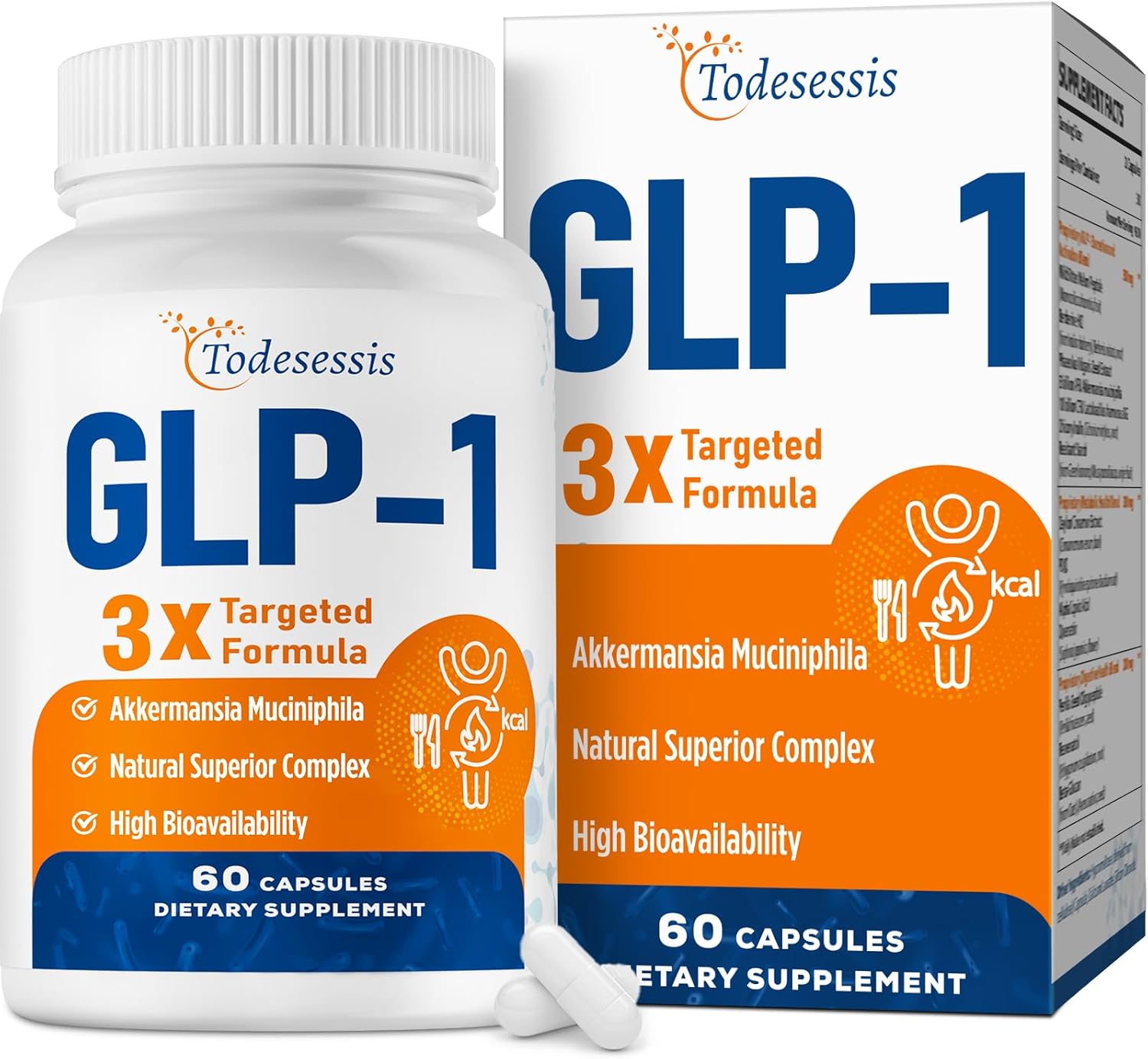
GLP-1 Probiotic Supplement
Supports metabolism and gut health with a unique probiotic blend.
- Fiber-rich foods: Include fruits, vegetables, whole grains, and legumes. These foods feed the good bacteria in your gut.
- Probiotics: Incorporate fermented foods like yogurt, kefir, and sauerkraut. These can introduce healthy bacteria into your digestive system.
- Healthy fats: Foods such as avocados, nuts, and olive oil can help reduce inflammation in the body.
On the flip side, diets high in sugar, processed foods, and unhealthy fats can lead to an imbalance in your gut bacteria, paving the way to cardiovascular issues. In fact, a diet rich in saturated fats and trans fats has been linked to increased levels of bad cholesterol (LDL) and decreased levels of good cholesterol (HDL), further impacting your heart health.
Gut Health and Cholesterol Levels
Speaking of cholesterol, did you know that gut health can influence your cholesterol levels? The microbiome can affect how your body metabolizes fats and cholesterol. Certain gut bacteria can help break down bile acids, which are necessary for fat digestion. This breakdown can lead to lower levels of cholesterol in the bloodstream.
One study found that participants with more diverse gut bacteria had lower levels of LDL cholesterol. This indicates that maintaining a healthy gut microbiome could be a natural way to manage cholesterol levels and reduce the risk of heart disease. Prioritize a diverse diet to support this beneficial effect.
Stress and Its Impact on Your Gut and Heart
Stress is another factor that can adversely affect both your gut and heart health. When you’re stressed, your body releases cortisol, which can lead to changes in gut permeability and alter the gut microbiome. This, in turn, can contribute to chronic inflammation and negatively impact your cardiovascular health.
Imagine a scenario where you’re juggling work deadlines, family obligations, and social commitments. You might reach for quick, unhealthy snacks to cope, which can disrupt your gut health and contribute to heart disease risk. Chronic stress can lead to serious heart issues, so it’s vital to incorporate stress management techniques into your routine.
- Meditation: This can help calm your mind and bring awareness to your body.
- Regular exercise: Physical activity is a powerful way to relieve stress and improve gut health.
- Quality sleep: Aim for 7-9 hours of restorative sleep to support both gut and heart health.
Real-Life Impact: Understanding the Symptoms
Consider a 50-year-old woman, Sarah, who has been experiencing bloating, digestive discomfort, and fatigue. She also has a family history of heart disease. If left unaddressed, her gut health issues could lead to elevated inflammation and increase her risk of cardiovascular problems. This example illustrates how paying attention to your digestive health can have profound implications for your heart.
The Role of Supplements: A Cautionary Approach
While diet is crucial, some may turn to supplements to support gut health. Probiotics are a popular choice, but it’s important to know that not all probiotics are created equal. Some strains have been shown to benefit gut health and potentially reduce heart disease risk, while others may not have the same effect.
If you’re considering adding any supplements to your routine, consult a qualified healthcare provider to ensure they align with your personal health goals. Not all probiotics are effective, and they should be taken thoughtfully.
Personalizing Your Approach
Everyone’s gut microbiome is unique, influenced by genetics, lifestyle, and diet. This individuality means that what works for one person might not work for another. Keeping a food diary to track how different foods impact your digestion and overall well-being can help you identify patterns. You might discover that certain foods cause bloating or discomfort, while others leave you feeling energized.
Engaging in mindful eating can also promote better digestion and overall gut health. Focus on your food, chewing slowly, and savoring each bite. This practice can improve your digestion, fostering a healthier gut and, ultimately, a healthier heart.
Monitoring Your Health
Regular check-ups with your healthcare provider are essential for maintaining cardiovascular health. Blood tests can reveal cholesterol levels, inflammatory markers, and other relevant indicators that help you and your doctor gauge your heart health.
Furthermore, if you’re experiencing symptoms like persistent digestive issues, fatigue, or unexplained weight changes, don’t ignore them. These could be signs of an underlying issue that may also be impacting your heart health. Be proactive about your symptoms—they matter!
Putting It All Together
As we’ve explored, the connection between gut health and cardiovascular disease is a multifaceted one. By understanding this relationship, you can take actionable steps toward supporting both your digestive system and your heart. Remember, it’s about creating a balanced lifestyle that includes a nutritious diet, stress management, and regular check-ups.
Your gut and heart health are intertwined, and by nurturing your digestive system, you’re also taking care of your heart. So next time you sit down for a meal, think about the impact it may have on your overall well-being. Your gut and heart will thank you!
Worth a LookBIOMA Probiotics — Supports digestive health with powerful probiotics and prebiotics.
Check Price on Amazon
This article is for general informational purposes only and is not medical advice. It is not a substitute for professional medical diagnosis, treatment, or care. Always consult a qualified healthcare provider with any questions about a medical condition or before making changes to your health routine.
As an Amazon Associate I earn from qualifying purchases.
This post may contain affiliate links — if you make a purchase through them, we may earn a small commission at no additional cost to you.