


The Flavorful Path to a Healthier Heart
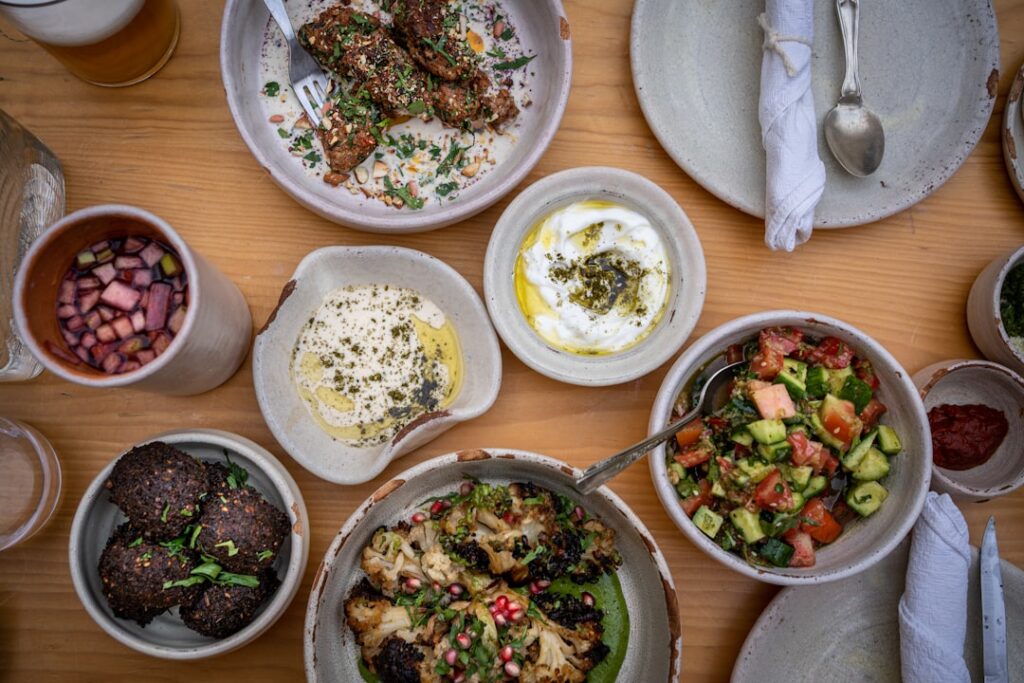
Imagine strolling along a sun-drenched coastal town in Greece, the scent of ripe tomatoes and fresh herbs wafting through the air. You sit down to a meal bursting with flavor—grilled fish drizzled with olive oil, a vibrant salad adorned with olives and feta, and a side of whole grain bread. As you savor each bite, you’re not just enjoying a delightful culinary experience; you’re also taking a significant step toward a healthier heart. The Mediterranean diet, rich in fruits, vegetables, lean proteins, and healthy fats, has been shown to reduce the risk of heart disease in compelling ways.
Quick tip: many readers have found GNC Mega Men Multivitamin genuinely helpful here — View on Amazon.
Why Heart Health Matters More Than Ever
Heart disease remains a leading cause of mortality worldwide. According to the World Health Organization, an estimated 17.9 million people died from cardiovascular diseases in 2019, accounting for 32% of all global deaths. This staggering statistic highlights the importance of adopting a heart-healthy lifestyle. You might wonder, “Can my diet really make a difference?” The answer is a resounding yes! The foods you choose can either protect your heart or put it at risk.


Complete Nutritional Powder — Provides balanced nutrition in a tasty, convenient powder form.
See Latest Price


GNC Mega Men Multivitamin
Supports heart and prostate health with clinically studied antioxidants.
What Makes the Mediterranean Diet Heart-Healthy?
The Mediterranean diet emphasizes whole, minimally processed foods, offering a unique blend of nutrients that bolster heart health. This nutritional approach is not just a fleeting trend; it’s rooted in traditions from countries bordering the Mediterranean Sea, where people enjoy longer, healthier lives. Let’s dive deeper into the components that make this diet so effective.
1. Healthy Fats: The Right Kind Matters
Unlike many diets that vilify fats, the Mediterranean diet embraces healthy fats, particularly olive oil, which is rich in monounsaturated fats. These healthy fats can lower bad cholesterol levels while increasing good cholesterol, ultimately reducing your heart disease risk. How can you incorporate more olive oil into your meals? Try drizzling it over roasted vegetables, using it as a base for salad dressings, or simply dipping your whole grain bread into a small bowl of olive oil infused with herbs.
2. Abundant Fruits and Vegetables
Fruits and vegetables are the cornerstone of any heart-healthy diet. They are packed with vitamins, minerals, and antioxidants, which can reduce inflammation and oxidative stress—two major contributors to heart disease. Aim for a rainbow of colors on your plate. For example, enjoy a vibrant salad with spinach, bell peppers, and tomatoes, or snack on apple slices paired with almond butter. Make it a goal to consume at least five servings of fruits and vegetables daily.
3. Whole Grains Over Refined Grains
Whole grains, such as brown rice, quinoa, and whole wheat bread, are fiber-rich and help regulate blood sugar levels. Unlike refined grains that can spike your blood sugar, whole grains have a slower digestion rate, promoting steady energy levels. A hearty bowl of whole grain pasta topped with a fresh tomato-basil sauce can be both satisfying and heart-healthy.
4. Lean Proteins: The Fish Factor
Fish plays a starring role in the Mediterranean diet, particularly fatty fish like salmon, mackerel, and sardines. These fish are rich in omega-3 fatty acids, which have been shown to reduce the risk of heart disease by lowering blood pressure and decreasing inflammation. Aim to include fish in your meals at least twice a week. Consider a simple baked salmon with a squeeze of lemon and a sprinkle of herbs for a delicious and heart-friendly dinner.
5. Nuts and Seeds: Small but Mighty
Nuts and seeds are powerhouses of nutrition. Almonds, walnuts, and flaxseeds are just a few examples of heart-healthy options that provide essential fatty acids, protein, and fiber. A small handful of mixed nuts can serve as a satisfying snack, and adding a sprinkle of chia seeds to your morning yogurt can boost your fiber intake.
The Mediterranean Lifestyle: More Than Just Food
While the Mediterranean diet is known for its food, it also encourages a lifestyle that promotes heart health. This includes staying physically active, enjoying meals with family and friends, and savoring every bite. It’s about making mealtime a joyful experience rather than a rushed obligation. Embrace a balanced lifestyle that encourages movement through walking, dancing, or any activity that brings you joy. This holistic approach is vital for maintaining heart health.
Real-Life Success Stories
Many people have experienced incredible transformations by switching to a Mediterranean diet. Take Sarah, for example. At 45, she found herself battling high blood pressure and elevated cholesterol. After learning about the Mediterranean diet, she made a conscious effort to incorporate more fruits, vegetables, and whole grains into her meals while cutting back on processed foods. Within three months, her doctor noted significant improvements in her cholesterol levels, and she felt more energetic than ever. This shift wasn’t just about losing weight; it was about embracing a healthier lifestyle.
Another success story is that of John, a 55-year-old who suffered from occasional chest pains. After consulting with his doctor and researching the Mediterranean diet, he decided to overhaul his eating habits. He began cooking more at home, focusing on fresh ingredients and healthy fats. Six months later, his symptoms had diminished significantly, and he reported feeling more vibrant and alert.
Potential Pitfalls: What to Watch Out For
While the Mediterranean diet offers numerous benefits, there are a few key warnings to keep in mind:
- Don’t Overdo the Alcohol: Moderate consumption of red wine can have heart benefits, but excess alcohol can lead to other health issues.
- Beware of Processed Foods: Not all Mediterranean foods are created equal. Processed versions can be high in unhealthy fats and sugars, negating the benefits.
- Watch the Portion Sizes: Even healthy foods can contribute to weight gain if consumed in excess. Pay attention to portion sizes.
Getting Started: Your First Steps to a Mediterranean Diet
Ready to dive into the Mediterranean lifestyle? Here are some practical tips to help you make the transition:
- Plan Your Meals: Create a weekly meal plan that incorporates Mediterranean staples. This can help you stay organized and make healthier choices.
- Explore New Recipes: Try your hand at new dishes that highlight Mediterranean ingredients, such as ratatouille or tabbouleh.
- Join a Cooking Class: Learning new cooking techniques can be fun and educational, making it easier to incorporate healthier foods into your diet.
As you embark on your journey toward a heart-healthy lifestyle, remember that change takes time. It’s not about perfection but progress. You don’t have to overhaul your entire diet overnight. Start slowly, and gradually introduce more Mediterranean principles into your meals.
Your Heart Deserves the Best
By embracing the Mediterranean diet, you’re not just choosing delicious foods; you’re also investing in a longer, healthier life. The journey to heart health can be both enjoyable and rewarding, filled with flavorful meals and joyful experiences. So, go ahead and savor the flavors of the Mediterranean while you take meaningful steps toward reducing your heart disease risk. Your heart will thank you!
Complete Nutritional Powder — Provides balanced nutrition in a tasty, convenient powder form.
See Latest Price
This article is for general informational purposes only and is not medical advice. It is not a substitute for professional medical diagnosis, treatment, or care. Always consult a qualified healthcare provider with any questions about a medical condition or before making changes to your health routine.
As an Amazon Associate I earn from qualifying purchases.
This post may contain affiliate links — if you make a purchase through them, we may earn a small commission at no additional cost to you.