


Picture This: A Day in Your Life with Healthy Blood Pressure
Imagine waking up in the morning, feeling refreshed and energized. You climb out of bed, have a smile on your face, and you’re ready to tackle the day ahead. You check your blood pressure, and it’s in the normal range—no worries today! But how did you get here? The answer lies in a heart-healthy diet, which plays a crucial role in managing your blood pressure and promoting long-term well-being.
If this resonates with you, Balance of Nature Supplement might be worth checking out — Check Price on Amazon.
The Heart of the Matter: Understanding Blood Pressure
Before diving into the specifics of a heart-healthy diet, let’s clarify what blood pressure is and why it matters. Blood pressure is the force of your blood pushing against the walls of your arteries. High blood pressure, or hypertension, can lead to severe health complications like heart disease, stroke, and kidney failure. In fact, nearly half of adults in the U.S. have hypertension, according to the CDC. This staggering statistic highlights how vital it is to manage your blood pressure through lifestyle choices.
The Dietary Link: How Food Affects Blood Pressure
A heart-healthy diet is a game changer for managing blood pressure. What you eat can either elevate or lower your numbers. Foods high in salt, sugar, and unhealthy fats can raise your blood pressure, while those rich in nutrients can help keep it in check. It’s all about making the right choices.
Essential Foods for a Heart-Healthy Diet
What should you be eating to support healthy blood pressure? Let’s explore the essential foods that can make a difference:
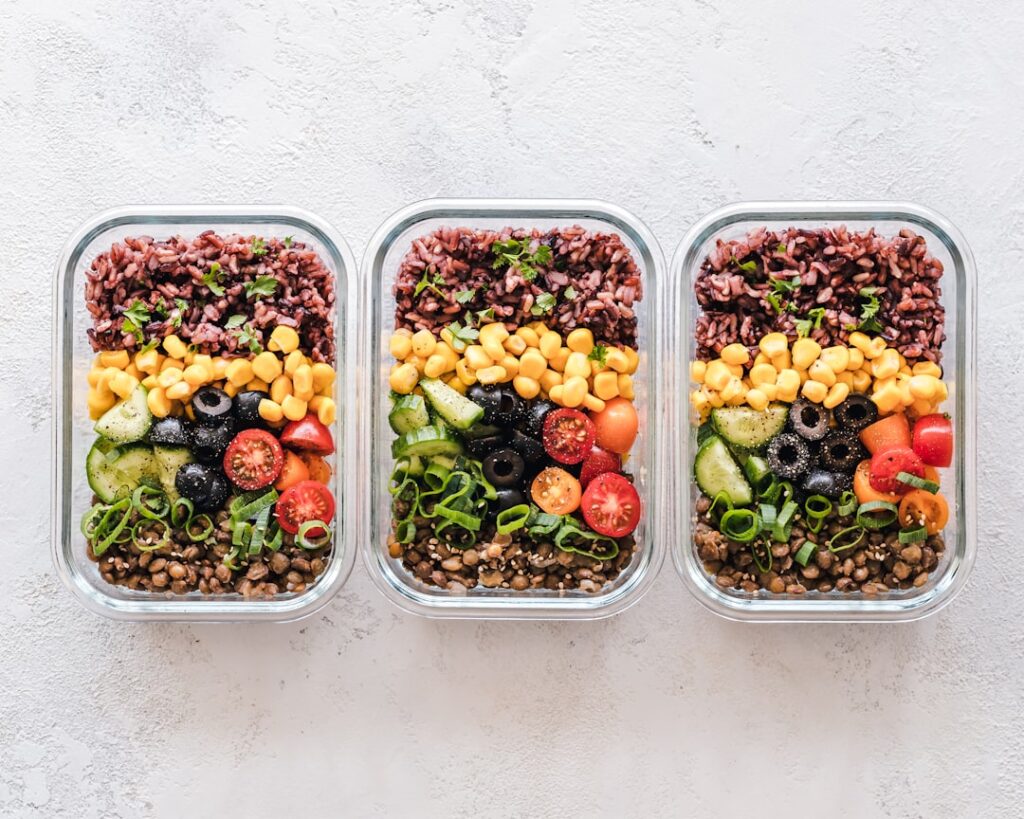
- Fruits and Vegetables: Aim for a colorful variety. Go for leafy greens like spinach and kale, and bright fruits such as berries, oranges, and bananas. These foods are rich in potassium, which helps balance sodium levels and lowers blood pressure.
- Whole Grains: Whole grain options like quinoa, brown rice, and whole wheat bread are packed with fiber. Fiber is crucial for heart health as it helps lower cholesterol levels and promotes a healthy weight.
- Lean Proteins: Choose sources like fish, poultry, beans, and legumes. Fatty fish like salmon are high in omega-3 fatty acids, known for their anti-inflammatory properties. These can significantly reduce blood pressure.
- Nuts and Seeds: Almonds, walnuts, and flaxseeds provide healthy fats and magnesium. A handful of these goodies can be a great snack alternative that supports heart health.
- Healthy Fats: Replace saturated fats with unsaturated fats found in olive oil and avocado. These fats can help lower blood pressure and improve heart health.
The Power of the DASH Diet
If you’re looking for a structured approach, consider the DASH diet (Dietary Approaches to Stop Hypertension). This diet emphasizes fruits, vegetables, whole grains, and low-fat dairy, while limiting saturated fats and cholesterol. Studies have shown that following the DASH diet can lower blood pressure significantly within just a few weeks. It’s not just about eating right; it’s about creating a sustainable lifestyle change.


GNC Mega Men Multivitamin — Supports heart and prostate health with clinically studied antioxidants.
View on Amazon


Balance of Nature Supplement
Supports daily nutrition with whole fruit and vegetable ingredients.
Real-Life Scenarios: Implementing a Heart-Healthy Diet
Let’s take a closer look at how you might incorporate these healthy choices into your daily life. Meet Jennifer, a 45-year-old accountant. She often felt tired and stressed, and her blood pressure readings were creeping up. After consulting with her healthcare provider, she decided it was time for a change.
Jennifer started her mornings with a bowl of oatmeal topped with fresh berries and nuts. For lunch, she swapped her usual sandwich for a quinoa salad loaded with leafy greens and chickpeas. Dinner included grilled salmon, steamed broccoli, and a side of brown rice. On weekends, she experimented with new recipes, finding that cooking at home was a fun way to stay healthy.
Making Small Changes Adds Up
Jennifer’s story is an example of how small changes can lead to significant improvements. You don’t need to overhaul your entire diet overnight. Start by swapping one meal or snack for a healthier option each day. Over time, these adjustments can accumulate, leading to lasting changes in your blood pressure and overall health.
Hydration and Blood Pressure: An Often-Overlooked Factor
Don’t forget the importance of hydration! Drinking enough water is vital for maintaining healthy blood pressure. Dehydration can lead to increased blood pressure, as your body retains sodium to conserve water. Aim for at least 8 glasses of water a day, and even more if you’re active or live in a hot climate.
Tips for Staying Hydrated
- Keep a water bottle with you throughout the day.
- Flavor your water with fresh fruits or herbs for a refreshing twist.
- Set reminders on your phone to drink water regularly.
The Role of Sodium: The Need to Reduce Intake
One of the most significant dietary changes you can make is reducing sodium intake. The American Heart Association recommends limiting sodium to less than 2,300 milligrams per day, ideally aiming for 1,500 milligrams for maximum heart health. High sodium levels can lead to water retention, which raises blood pressure.
Common Sources of Hidden Sodium
Be vigilant about hidden sources of sodium in your diet. Processed foods, canned goods, and even some restaurant meals are often loaded with salt. Here are a few ways to cut down:
- Read labels carefully. Look for low-sodium or no-salt-added options.
- Prepare meals at home using fresh ingredients.
- Flavor your dishes with herbs, spices, lemon juice, or vinegar instead of salt.
Mindfulness and Stress Reduction: A Holistic Approach
Managing your blood pressure isn’t just about what you eat. Stress plays a massive role too. When you’re stressed, your body produces hormones that can elevate your blood pressure. Incorporating mindfulness practices can help you cope with stress and positively impact your heart health.
Effective Mindfulness Techniques
- Meditation: Take 5-10 minutes each day to sit quietly and focus on your breath.
- Yoga: This combines physical activity with mindfulness, making it a powerful tool for stress relief.
- Deep Breathing: Practice deep, slow breaths to help calm your mind and body.
Consulting a Healthcare Provider: A Key Step
While a heart-healthy diet is essential, it’s important to remember that you should always consult with a healthcare provider before making significant changes to your diet or lifestyle. They can help tailor a plan that suits your specific needs and monitor your progress. Never skip regular check-ups as they are crucial for keeping your blood pressure in check.
The Long-Term Benefits: A Healthier You
Adopting a heart-healthy diet is not just a temporary fix; it’s a commitment to your long-term well-being. Studies show that individuals who maintain healthy eating habits experience lower rates of heart disease and improved overall health. Think about all the benefits: more energy, better mood, and, most importantly, a healthier heart.
Your heart is the engine that drives your life—it deserves the best fuel possible. By incorporating these foods and tips into your life, you’re not just managing your blood pressure; you’re investing in a vibrant future.
GNC Mega Men Multivitamin — Supports heart and prostate health with clinically studied antioxidants.
View on Amazon
This article is for general informational purposes only and is not medical advice. It is not a substitute for professional medical diagnosis, treatment, or care. Always consult a qualified healthcare provider with any questions about a medical condition or before making changes to your health routine.
As an Amazon Associate I earn from qualifying purchases.
This post may contain affiliate links — if you make a purchase through them, we may earn a small commission at no additional cost to you.