Great Health Great Fitness
Savor the Flavor: How Reducing Sodium Can Transform Your Blood Pressure and Heart Health
Discover how reducing sodium can manage hypertension and learn flavorful strategies for heart-healthy eating.
Dining with the Heart in Mind
Imagine this: you’re at your favorite restaurant, diving into a mouth-watering plate of garlic butter shrimp pasta. The flavors dance on your palate, but what if I told you that just one meal could push your sodium intake far beyond what’s considered healthy? It’s surprising how quickly those tiny salt crystals can add up, impacting not just your immediate enjoyment, but your long-term heart health.
 Editor's Pick
GNC Mega Men Multivitamin — Supports heart and prostate health with clinically studied antioxidants.
View on Amazon
If this resonates with you, Balance of Nature Supplement might be worth checking out — Check Price on Amazon.
Hypertension, commonly known as high blood pressure, affects nearly one in three adults in the United States. It’s often called the silent killer because it can sneak up on you without any noticeable symptoms. But here’s the good news — simple dietary tweaks can make a significant difference. So let’s explore how sodium impacts hypertension and discover some delicious strategies for heart-healthy eating!
The Sodium-Hypertension Connection
Sodium is an essential mineral that plays a vital role in fluid balance and muscle function. However, when consumed in excess, it can lead to water retention, which in turn increases blood volume and, ultimately, blood pressure. According to the American Heart Association, the recommended sodium intake is no more than 2,300 milligrams per day, with an ideal target of 1,500 milligrams for most adults. Yet, studies reveal that many people consume over 3,400 milligrams daily!
To put this into perspective, a single teaspoon of table salt contains about 2,300 milligrams of sodium. If you enjoy processed foods, dining out, or even adding extra salt to your meals, you might be significantly exceeding this limit without realizing it. Let’s break down how sodium affects blood pressure.
How Sodium Raises Blood Pressure
When your body retains excess sodium, it retains water to dilute the sodium concentration in your bloodstream. This increase in blood volume can lead to higher pressure against your artery walls. Over time, consistently elevated blood pressure can damage your blood vessels, heart, kidneys, and brain, leading to serious health issues such as heart attacks, strokes, and kidney disease.
What makes it even trickier is that you might not feel anything wrong! High blood pressure often lacks symptoms, which is why regular monitoring is essential. If you find yourself feeling fatigued, experiencing headaches, or having nosebleeds, it might be time to check in with your healthcare provider.
Recognizing Sodium Sources
To effectively manage your sodium intake, it’s crucial to recognize where it hides. You might think you’re being careful, but sodium is notoriously sneaky. Here are some common culprits:
- Processed Foods: Foods like canned soups, frozen dinners, and snack foods often pack in sodium for flavor and preservation.
- Condiments: Dressings, sauces, and marinades can be salt-heavy. Even seemingly healthy options like soy sauce can add a hefty dose of sodium.
- Breads and Cereals: Many bread products contain added salt for flavor and texture, and breakfast cereals can also contribute to your sodium intake.
- Takeout and Restaurant Meals: Eating out can be a sodium minefield, with meals often containing two to three times the recommended daily amount.
Practical Strategies for Heart-Healthy Eating
Now that you’re aware of sodium’s impact on hypertension, let’s talk about actionable strategies to help you enjoy your food while keeping your heart healthy. Small changes can lead to significant improvements in your overall health!
1. Embrace Fresh Foods
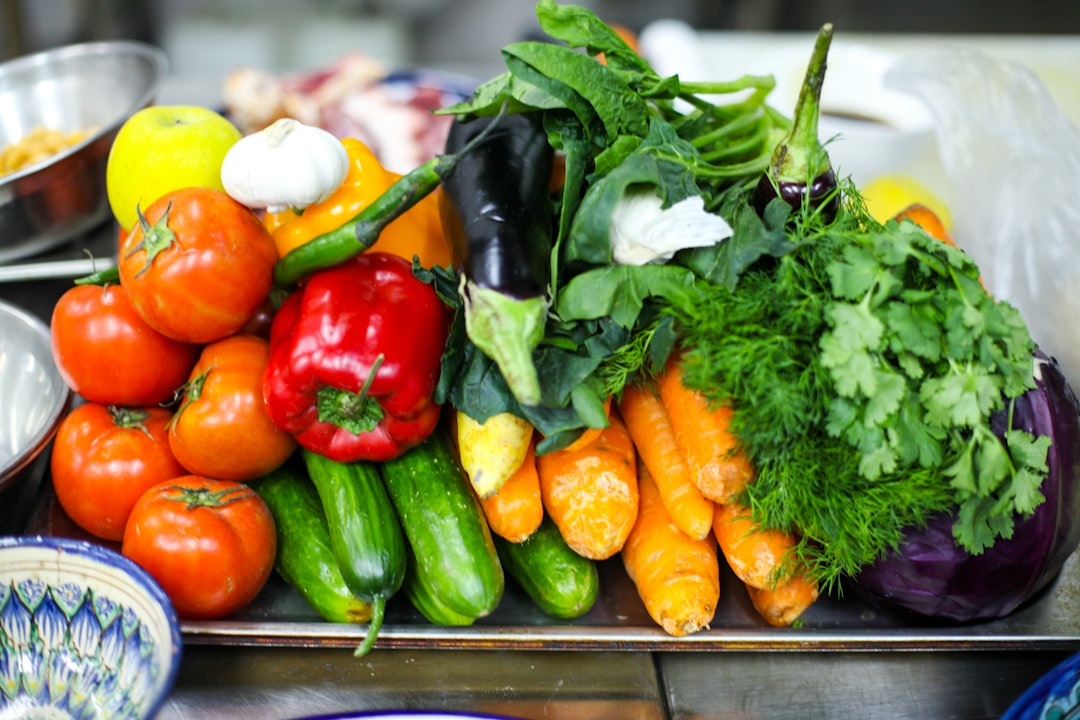
One of the simplest ways to cut back on sodium is to focus on whole, unprocessed foods. Fresh fruits and vegetables, lean meats, whole grains, and legumes are naturally low in sodium and rich in nutrients. For example, consider swapping out that salty snack with a handful of almonds or a crunchy apple. Not only will this reduce your sodium intake, but it will also nourish your body!
 Editor's Pick
Balance of Nature Supplement
Supports daily nutrition with whole fruit and vegetable ingredients.
2. Experiment with Herbs and Spices
Who says you have to sacrifice flavor? Instead of reaching for the salt shaker, explore the world of herbs and spices. Fresh basil, oregano, garlic, and ginger can add vibrant flavors to your meals without the sodium spike. Try making a homemade salsa with diced tomatoes, onions, and cilantro for a zesty kick that complements any dish.
3. Choose Lower-Sodium Alternatives
When shopping, take a moment to read labels. Opt for low-sodium or no-salt-added versions of canned goods, broths, and sauces. Many brands offer alternatives that taste just as good, if not better! For instance, look for no-salt-added diced tomatoes or low-sodium vegetable broth to use as the base for your stews and soups.
4. Plan Your Meals
Meal planning can be a game changer! By planning your meals in advance, you can take control of your sodium intake. Create a weekly menu that highlights fresh ingredients and includes low-sodium recipes. This way, you’re less likely to grab a quick, high-sodium takeout option when you’re pressed for time.
5. Stay Hydrated
Drinking water is crucial, especially if you’re cutting back on sodium. Staying well-hydrated helps your kidneys flush out excess sodium from your body. Aim for at least eight 8-ounce glasses of water daily. Herbal teas and infusions can be great alternatives too!
What to Avoid and Be Aware Of
While making positive changes, it’s essential to be aware of some potential pitfalls. Here are a few things to keep in mind:
- Beware of “Health Foods”: Just because a product is marketed as healthy doesn’t mean it’s low in sodium. Always check the nutrition label.
- Don’t Skip Breakfast: Skipping meals can lead to unplanned snacking on high-sodium foods later in the day. Aim for balanced meals to curb cravings.
- Limit Processed Meat: Items such as bacon, deli meats, and sausages often contain high levels of sodium. Consider plant-based proteins like beans or lentils instead.
Making Lifestyle Changes
Reducing sodium intake is just one aspect of managing hypertension. A comprehensive approach to heart health includes regular physical activity, maintaining a healthy weight, and reducing stress. Incorporating exercise into your routine can help lower blood pressure and improve cardiovascular health.
Even small amounts of activity, like a brisk 30-minute walk most days, can make a difference. So grab a friend or family member, put on some music, and enjoy the journey toward better health together!
Consultation is Key
Before making any significant dietary changes, it’s always wise to consult with a healthcare provider or a registered dietitian. They can provide personalized guidance tailored to your specific health needs.
Embracing Heart-Healthy Eating
By understanding the relationship between sodium and hypertension, you’re equipped with the knowledge to make informed choices that can benefit your health. Remember, it’s not about deprivation — it’s about discovering the joy of heart-healthy eating. Your taste buds will thank you as you explore a myriad of flavors, colors, and textures while keeping your blood pressure in check.
As you embark on this journey, keep these points in mind: opt for fresh foods, experiment with herbs and spices, and stay aware of sodium sources. Soon, you’ll find that making heart-healthy choices becomes second nature, leading you to a happier, healthier life!
Worth a LookGNC Mega Men Multivitamin — Supports heart and prostate health with clinically studied antioxidants.
View on Amazon
This article is for general informational purposes only and is not medical advice. It is not a substitute for professional medical diagnosis, treatment, or care. Always consult a qualified healthcare provider with any questions about a medical condition or before making changes to your health routine.
As an Amazon Associate I earn from qualifying purchases.
This post may contain affiliate links — if you make a purchase through them, we may earn a small commission at no additional cost to you.