Great Health Great Fitness

Why You Should Care About Arrhythmias: Recognizing Symptoms and Making Heart-Healthy Changes
Learn about arrhythmias, their symptoms, and how lifestyle changes can support your heart health for a vibrant, active life.
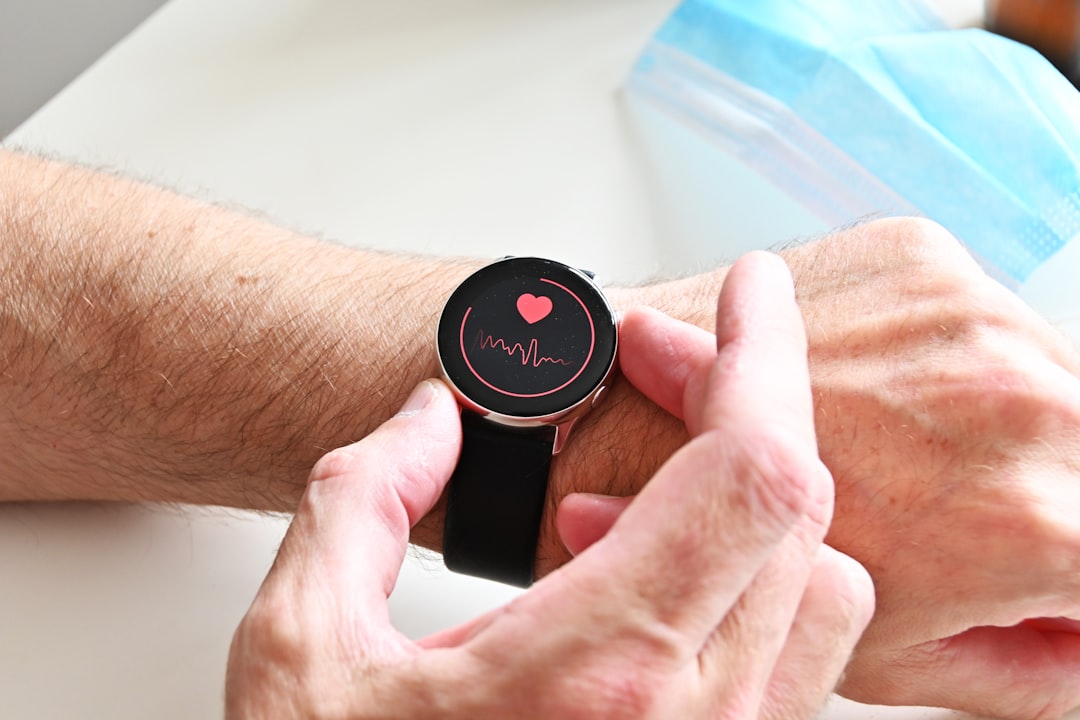
Imagine This: Your Heart Skips a Beat
Picture yourself enjoying a beautiful sunny day, perhaps on a leisurely walk or sipping coffee at your favorite café. Suddenly, you feel a fluttering sensation in your chest, a momentary pause in your heartbeat, or perhaps even a racing pulse. It could be fleeting, lasting only a few seconds, but it leaves you wondering: Is this normal? Could it be something more serious? This scenario is all too common and illustrates the importance of understanding arrhythmias.
If this resonates with you, GNC Mega Men Multivitamin might be worth checking out — View on Amazon.
What Are Arrhythmias?
Arrhythmias are irregular heartbeats caused by issues with the heart’s electrical system. They can be as harmless as a brief skipped beat or as serious as a life-threatening condition. Understanding the different types of arrhythmias and their symptoms is crucial for maintaining a healthy heart.
Common Types of Arrhythmias
Arrhythmias can be broadly classified into several types, each with its specific characteristics and implications. Here are some of the most common:
- Atrial Fibrillation (AFib): This is the most prevalent type of serious arrhythmia. It occurs when the heart’s two upper chambers (the atria) beat chaotically, leading to an irregular and often rapid heart rate. AFib can increase the risk of stroke and heart failure.
- Bradycardia: Defined as a slow heart rate (below 60 beats per minute), bradycardia can lead to fatigue, dizziness, or even fainting. It’s sometimes a sign of underlying health issues, especially in older adults.
- Tachycardia: In contrast to bradycardia, tachycardia refers to a heart rate that exceeds 100 beats per minute. This can occur during exercise or stress, but it can also happen at rest, indicating a potential health problem.
- Ventricular Fibrillation (VFib): A serious condition where the heart’s lower chambers quiver ineffectively instead of pumping blood. This is a medical emergency requiring immediate attention.
Recognizing the Symptoms
Being aware of the symptoms associated with arrhythmias can be lifesaving. Here are some key signs to watch out for:
- Fluttering or racing heartbeat: You might feel as if your heart is pounding or skipping beats.
- Dizziness or lightheadedness: A sudden drop in blood flow can lead to faintness or disorientation.
- Chest pain or discomfort: This can vary from mild discomfort to severe pain, and it should never be ignored.
- Shortness of breath: Difficulty breathing can occur during activity or even while at rest.
- Fatigue: Unexplained tiredness can be a sign that your heart isn’t pumping effectively.
If you experience these symptoms, especially if they persist or worsen, it’s essential to consult a healthcare provider promptly. Ignoring these signs can lead to serious complications.
Who’s at Risk?
While anyone can experience an arrhythmia, certain factors increase your risk:
- Age: The likelihood of developing an arrhythmia increases with age, particularly for AFib.
- Heart disease: People with existing heart conditions or hypertension are at greater risk.
- Diabetes: This can damage blood vessels and increase the risk of arrhythmias.
- Excessive alcohol or caffeine consumption: These substances can disturb the heart’s rhythm.
- Stress: High stress can lead to increased heart rates and potential arrhythmias.
Lifestyle Changes for a Healthier Heart
Now that you understand the risks and symptoms, let’s talk about how you can make meaningful changes to promote heart health and reduce the likelihood of arrhythmias. Adopting a heart-healthy lifestyle is key.
 Popular Choice
Complete Nutritional Powder — Provides balanced nutrition in a tasty, convenient powder form.
See Latest Price
 Worth a Look
GNC Mega Men Multivitamin
Supports heart and prostate health with clinically studied antioxidants.
1. Eat a Balanced Diet
Your diet plays a significant role in heart health. Focus on:
- Fruits and vegetables: Aim for at least five servings a day. They are rich in essential vitamins and antioxidants.
- Whole grains: Choose brown rice, whole wheat bread, and oats over refined grains.
- Lean proteins: Incorporate fish, poultry, and legumes into your meals.
- Healthy fats: Opt for sources like avocados, nuts, and olive oil while limiting saturated fats.
2. Stay Active
Regular exercise strengthens your heart and helps maintain a healthy weight. Aim for at least 150 minutes of moderate aerobic activity each week. This could include brisk walking, swimming, or cycling. Additionally, include muscle-strengthening activities on two or more days per week.
3. Manage Stress
Chronic stress can wreak havoc on your heart. Explore techniques such as:
- Meditation or yoga: These practices can lower stress levels and promote relaxation.
- Deep breathing exercises: Simple techniques can help calm your mind and body.
- Journaling: Writing about your feelings can provide an emotional release.
4. Avoid Tobacco and Limit Alcohol
Both tobacco and excessive alcohol can contribute to heart problems. If you smoke, seek resources to help you quit. When it comes to alcohol, moderation is key; for most adults, this means up to one drink per day for women and up to two drinks per day for men.
5. Regular Check-ups
Don’t wait for symptoms to arise. Regular check-ups can help catch any potential issues early. Discuss your heart health with your doctor and make sure to monitor your blood pressure and cholesterol levels.
When to Seek Help
It’s crucial to recognize when to seek immediate medical attention. If you experience severe chest pain, difficulty breathing, or lose consciousness, don’t hesitate to call emergency services. These could be signs of a serious condition requiring urgent care.
Wrapping Up: Your Heart, Your Responsibility
Understanding arrhythmias is essential for anyone who wants to be proactive about their heart health. By recognizing the symptoms, knowing your risk factors, and making lifestyle changes for a healthier heart, you empower yourself to take control of your cardiovascular health.
So next time you feel that flutter in your chest, remember: knowledge is power. Be informed, be proactive, and most importantly, listen to your heart. Your well-being depends on it.
Popular ChoiceComplete Nutritional Powder — Provides balanced nutrition in a tasty, convenient powder form.
See Latest Price
This article is for general informational purposes only and is not medical advice. It is not a substitute for professional medical diagnosis, treatment, or care. Always consult a qualified healthcare provider with any questions about a medical condition or before making changes to your health routine.
As an Amazon Associate I earn from qualifying purchases.
This post may contain affiliate links — if you make a purchase through them, we may earn a small commission at no additional cost to you.