


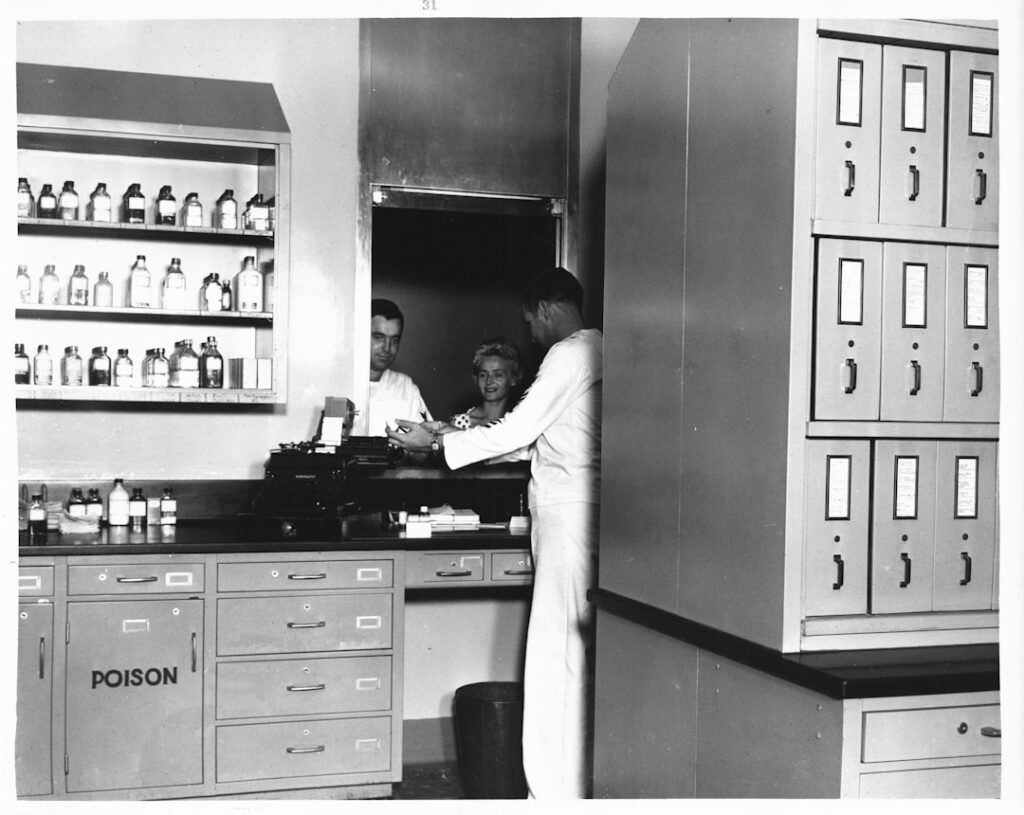
Understanding Benadryl’s Impact on Health
Recently, a headline caught the attention of many health-conscious individuals: “Is Benadryl Bad for Your Liver or Kidneys? Not Really”. This raises an important topic regarding the use of Benadryl, an over-the-counter antihistamine commonly used for allergic reactions, hay fever, and even the occasional sleepless night. With increasing concerns about the effects of medications on our vital organs, it’s crucial to dive deeper into the real implications of Benadryl on liver and kidney health.
If this resonates with you, GLP-1 Probiotic Supplement might be worth checking out — See Latest Price.
What is Benadryl?
Benadryl, generically known as diphenhydramine, has been a staple in our medicine cabinets for decades. It works by blocking histamine, a substance in the body that causes allergic symptoms. However, despite its effectiveness, there are ongoing discussions about its safety, particularly concerning long-term use and potential organ damage.
The Liver and Kidneys: Key Players in Medication Metabolism
Your liver and kidneys play a vital role in how your body processes medications. The liver metabolizes drugs and filters toxins from the blood, while the kidneys are responsible for filtering waste products and excess substances from your body. Understanding how these organs interact with medications like Benadryl is essential for making informed health choices.

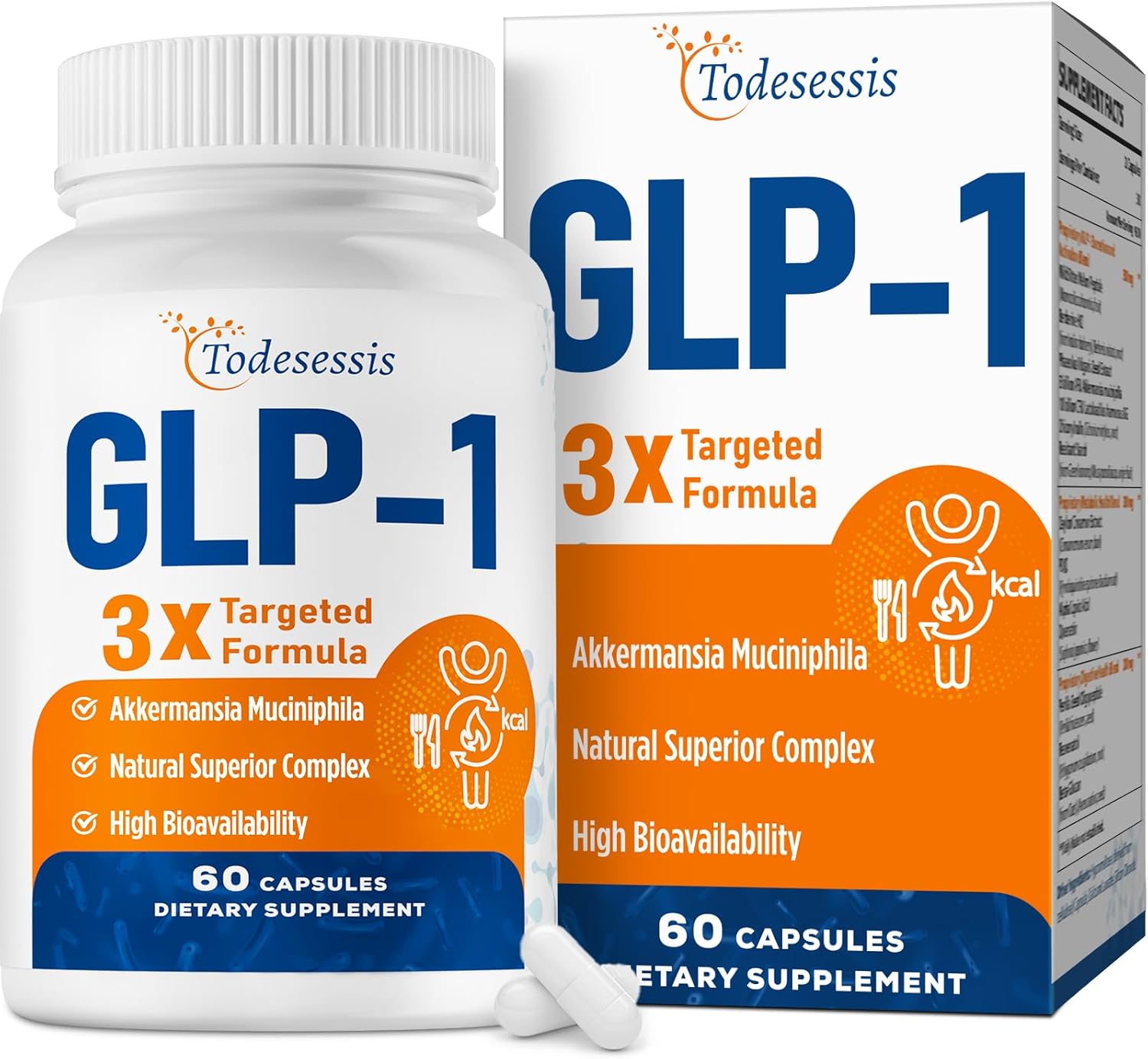
GLP-1 Probiotic Supplement
Supports metabolism and gut health with a unique probiotic blend.
Recent Findings on Benadryl and Organ Health
According to the recent article from GoodRx, the concerns surrounding Benadryl’s impact on liver and kidney function may be largely overstated. While it’s true that excessive or long-term use of many medications can lead to organ distress, Benadryl is generally deemed safe when used as directed. However, this doesn’t mean it’s completely free from risk.
In some cases, those with pre-existing liver or kidney conditions may need to exercise caution. For example, if you have chronic liver disease, the way your body metabolizes medications may be impaired, which could lead to increased levels of diphenhydramine in your system, resulting in adverse effects.
Understanding the Risks
While the article asserts that Benadryl is not inherently bad for your liver or kidneys, there are several factors worth considering:
- Dosage: Taking more than the recommended dose can lead to complications. Overdosing on Benadryl can cause severe drowsiness, confusion, and in rare cases, life-threatening situations.
- Duration of Use: Long-term usage can lead to dependency and increased susceptibility to side effects. If you’re using Benadryl regularly for sleep issues, it might be time to explore alternative treatments.
- Interaction with Other Medications: If you’re taking other medications, there may be potential interactions that could impact liver or kidney health. Always consult with your healthcare provider before combining medications.
Who Should Be Cautious with Benadryl?
While many people can safely use Benadryl, specific groups should be particularly cautious:
- Individuals with Existing Conditions: If you have liver disease, kidney disease, or conditions that affect how your body processes medications, you should consult your doctor about the use of Benadryl.
- Older Adults: Elderly individuals may experience heightened sensitivity to medications, including possible side effects that can lead to falls or confusion.
- Pregnant or Nursing Women: Safety during pregnancy and breastfeeding is not well-studied; therefore, discussing all medications with healthcare providers is essential.
Alternatives to Benadryl
If you’re concerned about using Benadryl, there are several alternatives that may be safer or more effective for your symptoms:
- Other Antihistamines: Non-drowsy options like loratadine (Claritin) or cetirizine (Zyrtec) can effectively manage allergic reactions without the sedative effects of Benadryl.
- Home Remedies: Natural remedies such as saline nasal sprays or honey-based cough syrups might provide relief without the risks associated with medications.
- Consult Your Doctor: If allergies or insomnia are a recurring problem, your healthcare provider can guide you on the best treatment options tailored to your health history.
The Importance of Awareness
Understanding your body’s response to medications is essential. Just because a medication is available without a prescription does not mean it’s free of risks. Engaging with your healthcare provider about concerns with medications like Benadryl can help prevent complications and promote better overall health.

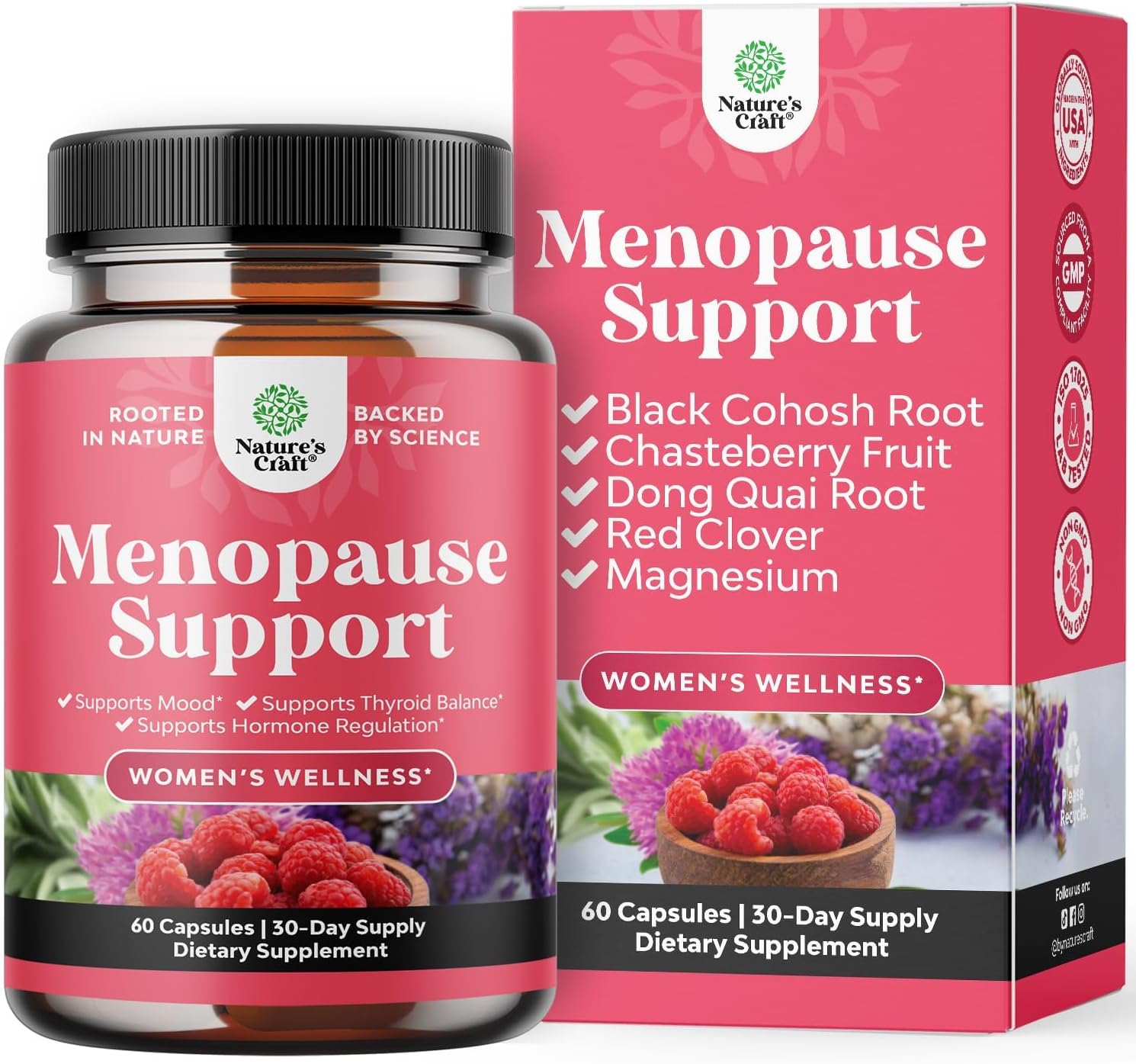
Black Cohosh Supplements — Supports relief from hot flashes and menopause symptoms with Black Cohosh.
Check Price on Amazon
In summary, while the latest reports suggest that Benadryl is not necessarily harmful to your liver or kidneys when used appropriately, being informed and cautious is key. Remember that responsible medication use is crucial, and if you’re ever in doubt, reach out to a healthcare professional for guidance.
Staying Informed
In this age of information, it’s easy to come across conflicting narratives. The discussion around Benadryl and its effects on organ health is a perfect example of why you should always verify health claims with reliable sources. As new studies emerge, the understanding of medications evolves. Therefore, staying informed and consulting professionals is essential for maintaining your health.
Your health is your most valuable asset, and making informed decisions is crucial. Whether you’re reaching for Benadryl for allergies or sleep, understanding its implications is vital. Be proactive, stay educated, and always prioritize your well-being.
Black Cohosh Supplements — Supports relief from hot flashes and menopause symptoms with Black Cohosh.
Check Price on Amazon
This article is for general informational purposes only and is not medical advice. It is not a substitute for professional medical diagnosis, treatment, or care. Always consult a qualified healthcare provider with any questions about a medical condition or before making changes to your health routine.
As an Amazon Associate I earn from qualifying purchases.
This post may contain affiliate links — if you make a purchase through them, we may earn a small commission at no additional cost to you.