


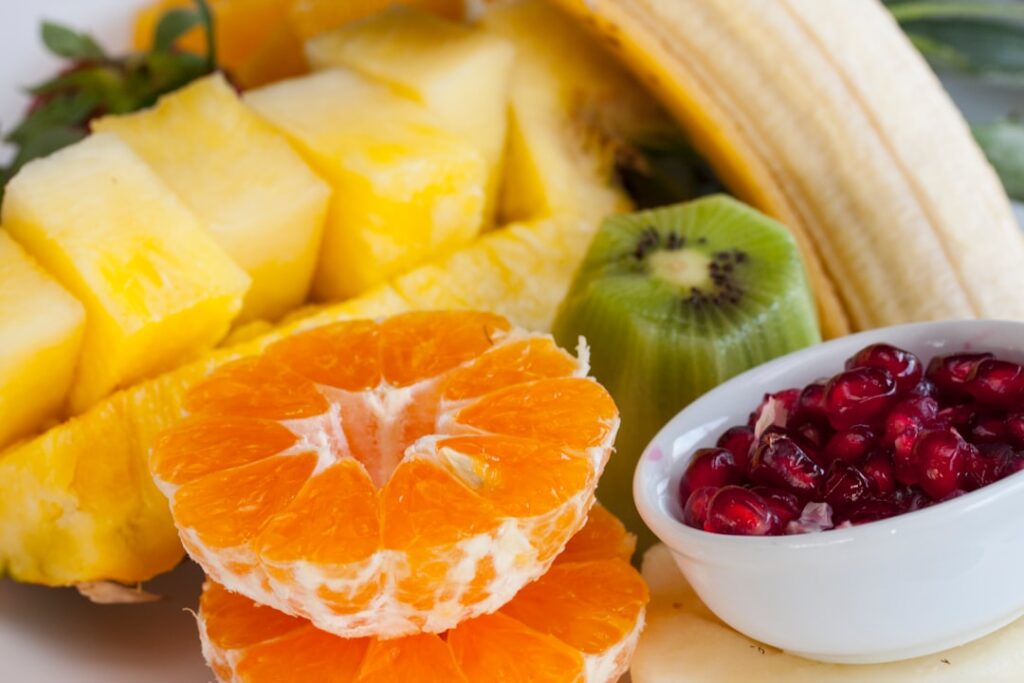
Picture This: The Ripple Effect of Your Diet
Imagine sitting down to a meal, the aroma of roasted vegetables and herbs filling the kitchen. You take a moment to appreciate how each bite not only nourishes your body but also plays a pivotal role in safeguarding your health. You might think about your heart, but what about your kidneys? The connection between a heart-healthy diet and chronic kidney disease (CKD) is stronger than you might realize.
Worth knowing about while we're on the topic: Balance of Nature Supplement — Check Price on Amazon.
Understanding the Kidney-Heart Connection
Your kidneys are responsible for filtering waste and excess fluids from your blood, playing a critical role in maintaining your body’s overall balance. Surprisingly, the health of your heart significantly influences kidney function. Poor cardiovascular health can lead to kidney damage, and over time, this can escalate into chronic kidney disease.
When your heart isn’t healthy, it can affect how well your kidneys function. Conditions like hypertension (high blood pressure) and high cholesterol, often stemming from an unhealthy diet, place additional strain on your kidneys. When both organs are working against each other, your overall health is at risk.
The Role of Diet in Kidney and Heart Health
To foster a healthy relationship between your heart and kidneys, maintaining a heart-healthy diet is crucial. This involves focusing on foods that support cardiovascular integrity while also minimizing the risk of CKD. Let’s explore some dietary strategies that can help you achieve optimal health.
1. Focus on Whole Foods
Whole foods—fruits, vegetables, whole grains, lean proteins, and healthy fats—are packed with nutrients that nourish your body and maintain your heart and kidney health. For instance, leafy greens like spinach and kale are rich in potassium, which can help manage blood pressure.


Balance of Nature Supplement
Supports daily nutrition with whole fruit and vegetable ingredients.
- Fruits: Berries, particularly blueberries, are high in antioxidants.
- Vegetables: Broccoli and carrots provide essential vitamins and minerals.
- Whole Grains: Oats and quinoa are excellent sources of fiber.
- Lean Proteins: Fish, particularly fatty fish like salmon, are rich in omega-3 fatty acids.
2. Keep Sodium in Check
While salt can enhance flavor, too much sodium can raise your blood pressure, putting you at risk for heart disease and CKD. The American Heart Association recommends limiting sodium intake to no more than 2,300 mg per day, ideally aiming for 1,500 mg for optimal heart health.


GNC Mega Men Multivitamin — Supports heart and prostate health with clinically studied antioxidants.
View on Amazon
Consider flavoring your dishes with herbs and spices instead of salt. For example, fresh basil, rosemary, and garlic can elevate the taste of your meals without the added sodium.
3. Embrace Healthy Fats
Not all fats are created equal. Saturated fats, often found in processed foods, can increase your cholesterol levels and put extra strain on your heart and kidneys. Instead, focus on healthy fats, such as those found in avocados, nuts, seeds, and olive oil.
For example, incorporating a handful of walnuts into your morning oatmeal provides heart-healthy omega-3 fatty acids that also support kidney function. They’re an easy addition to your daily diet!
4. Balance Your Protein Intake
While protein is essential for maintaining muscle mass and overall health, excessive protein can overwhelm your kidneys. It’s crucial to find the right balance. For most people, a moderate protein intake, such as 0.8 grams of protein per kilogram of body weight, is sufficient.
Choose plant-based proteins more often, such as beans and lentils, which are also high in fiber. For example, a lentil salad topped with diced cucumbers and tomatoes makes for a nutritious, kidney-friendly meal.
5. Stay Hydrated
Water is vital for overall health, aiding in digestion, circulation, and kidney function. Dehydration can lead to kidney stones and other complications, while proper hydration helps your kidneys filter waste effectively.
Make it a habit to sip water throughout the day. Keep a water bottle handy, and aim for at least eight 8-ounce glasses daily. Adjust your intake based on your activity level and climate.
Real-Life Scenarios: Making Dietary Changes
Let’s take a look at how simple dietary changes can have a profound impact. Picture Sarah, a 45-year-old graphic designer who loves fast food. She often skips breakfast, grabs a burger for lunch, and snacks on chips throughout the day. Recently, she noticed her energy levels plummeting, and her doctor warned her about rising blood pressure.
Determined to improve her health, Sarah started replacing processed foods with whole foods. She began her day with oatmeal topped with fresh berries and nuts and swapped her lunch for a colorful salad with grilled chicken and a variety of vegetables. The changes were subtle but meaningful. Over a few months, she regained her energy levels, her blood pressure stabilized, and most importantly, she felt empowered to take charge of her health.
Warnings: What to Avoid
Just as you can make positive dietary changes, there are some pitfalls to steer clear of. Here are a few key warnings to keep in mind:
- Avoid excessive sugar: High sugar intake can lead to obesity and insulin resistance, both of which increase your risk for heart disease and CKD.
- Limit processed foods: These often contain high levels of sodium and unhealthy fats. Read labels carefully!
- Be cautious with alcohol: Excessive consumption can lead to high blood pressure and liver issues, impacting kidney health.
The Importance of Regular Check-Ups
In addition to dietary changes, regular health check-ups are vital for early detection and prevention of chronic kidney disease. Routine blood tests can help you monitor your kidney function and detect any potential issues before they become serious.
At your next doctor’s appointment, don’t hesitate to ask about your kidney and heart health. Discuss your dietary habits and any concerns you might have. Your healthcare provider can offer personalized advice tailored to your needs.
Creating a Sustainable Lifestyle
Making changes to your diet doesn’t have to feel overwhelming. Start small and set achievable goals. Maybe you commit to trying a new vegetable each week or switch one processed snack for a piece of fruit.
Remember, every step towards a heart-healthy diet is a step toward protecting your kidneys. By fostering a supportive environment for your body, you’re not just improving your health; you’re enhancing your quality of life.
Practical Tips for Daily Living
- Meal prep: Set aside time each week to prepare healthy meals in advance. This can keep you on track and reduce the temptation to grab unhealthy options.
- Read food labels: Understand what you’re consuming. Look for products low in sodium and unhealthy fats.
- Find a buddy: Team up with a friend or family member who shares your health goals. Support each other through the journey!
As you embrace these dietary strategies, you’re taking essential steps toward optimal health. Your heart and kidneys will thank you for it, and you’ll feel the benefits throughout your life.
GNC Mega Men Multivitamin — Supports heart and prostate health with clinically studied antioxidants.
View on Amazon
This article is for general informational purposes only and is not medical advice. It is not a substitute for professional medical diagnosis, treatment, or care. Always consult a qualified healthcare provider with any questions about a medical condition or before making changes to your health routine.
As an Amazon Associate I earn from qualifying purchases.
This post may contain affiliate links — if you make a purchase through them, we may earn a small commission at no additional cost to you.