Great Health Great Fitness

Cardiovascular Disease and Cognitive Decline: Recognizing Their Place in the 9/11 Illness Conversation
The FDNY advocates for including cardiovascular disease and cognitive decline in 9/11 illness recognition, addressing the health impacts on first responders.
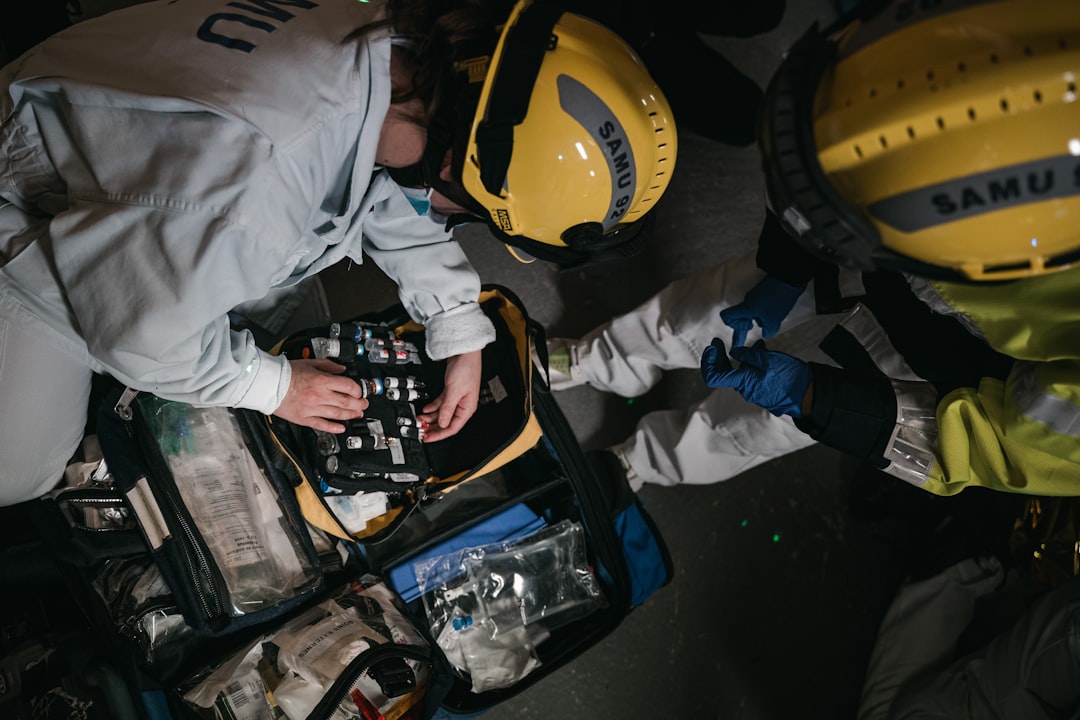
Remembering the Heroes of 9/11
It’s hard to believe that more than two decades have passed since the tragic events of September 11, 2001. The heroism displayed by first responders, particularly the brave firefighters of the New York City Fire Department (FDNY), continues to resonate in our hearts and minds. Yet, the aftermath of that day extends beyond the immediate devastation and loss of life. As time has gone on, many of these heroes have faced severe health repercussions due to their exposure to toxic dust and debris. Recently, a new development has emerged: the FDNY is seeking to expand the list of recognized illnesses connected to 9/11 to include cardiovascular disease and cognitive decline. In this blog post, we’ll delve into why this addition is crucial, and what it means for those affected.
Worth knowing about while we're on the topic: One A Day Women's Vitamins — View on Amazon.
The Silent Impact of Cardiovascular Disease
Cardiovascular disease (CVD) is often termed the silent killer, as many might not even realize they suffer from it until it’s too late. For the FDNY firefighters and other first responders, the physical toll of battling fires in the wake of 9/11 took a severe health hit. Studies have shown that first responders face a significantly higher risk of heart disease than the general population. Factors such as intense physical exertion, high-stress situations, and exposure to hazardous materials can elevate the risk of heart problems, including heart attacks and strokes.
The Evidence
Research has indicated that firefighters are at a heightened risk for CVD due to the strenuous nature of their work. For example, a comprehensive study highlighted that firefighters can experience heart-related issues that occur soon after intense physical activity, particularly in environments laden with smoke and toxins. In fact, firefighters are estimated to have a higher incidence of heart attacks than the average individual, a grim statistic that underscores the urgency of the FDNY’s current advocacy.
 Popular Choice
One A Day Women's Vitamins
Supports women's health with essential vitamins and minerals.
Cognitive Decline: An Overlooked Casualty
While the physical toll of 9/11-related illnesses has been widely discussed, the cognitive consequences are often overlooked. Cognitive decline refers to a deterioration in cognitive abilities, including memory, attention, and decision-making skills. As the FDNY proposes adding cognitive decline to the list of recognized illnesses, it highlights a growing concern among healthcare providers. Just like cardiovascular disease, the mental health effects can be severe and long-lasting.
 Editor's Pick
Alpha Brain Supplement — Enhances focus and memory for better mental performance.
Check Price on Amazon
Understanding the Connection
Studies have found that first responders exposed to toxic substances during 9/11 are at increased risk for various neurocognitive disorders. In particular, conditions such as post-traumatic stress disorder (PTSD) can contribute to cognitive decline. The stress and trauma experienced can manifest in memory loss, difficulty concentrating, and overall cognitive impairment. These symptoms not only affect the individual’s quality of life but can also strain relationships and hinder day-to-day functioning.
The Importance of Recognition
So why should cardiovascular disease and cognitive decline be officially recognized as 9/11-related illnesses? The answer lies in the support that acknowledgment provides for victims and their families. When these conditions are recognized, affected individuals can access medical care and financial assistance, enabling them to seek treatment without the burden of overwhelming costs.
Empowering First Responders
By expanding the illness list, the FDNY is advocating for first responders who have dedicated their lives to protecting and serving the public. It’s essential to empower these heroes through comprehensive healthcare benefits tailored to their unique needs. This recognition could translate to improved health outcomes and, ultimately, better quality of life for those battling the long-term effects of their courageous actions.
The Call to Action
The FDNY’s push to include cardiovascular disease and cognitive decline in the 9/11 illness list is more than just a bureaucratic request; it’s a moral imperative. Each day, these heroes confront health challenges rooted in their selfless actions on that fateful day. By acknowledging the full spectrum of illnesses linked to 9/11, we honor their sacrifice and ensure they receive the care they deserve.
How Can You Support This Cause?
- Stay Informed: Follow updates on this important issue and understand its implications for first responders.
- Advocate: Speak out in support of the FDNY’s efforts by contacting your local representatives.
- Support Organizations: Contribute to charities and organizations that help 9/11 responders access medical care.
- Raise Awareness: Share this information with friends and family to promote understanding of these critical health issues.
A Lasting Legacy
The events of 9/11 left an indelible mark on our nation, and the ramifications are still felt today. As we reflect on the sacrifices made by these brave individuals, it is crucial that we also recognize the ongoing health issues they face. The FDNY’s request to include cardiovascular disease and cognitive decline on the 9/11 illness list is not just about healthcare; it’s about justice, recognition, and respect for those who risked everything to save lives.
We owe it to these heroes to advocate for their health and well-being. As discussions surrounding the expansion of the illness list continue, let’s ensure that we hold steadfast in our support for those who served on the front lines. The fight for acknowledgment is a fight worth having, as it ensures that our first responders receive not just our gratitude but also the care they desperately need.
RecommendedAlpha Brain Supplement — Enhances focus and memory for better mental performance.
Check Price on Amazon
This article is for general informational purposes only and is not medical advice. It is not a substitute for professional medical diagnosis, treatment, or care. Always consult a qualified healthcare provider with any questions about a medical condition or before making changes to your health routine.
As an Amazon Associate I earn from qualifying purchases.
This post may contain affiliate links — if you make a purchase through them, we may earn a small commission at no additional cost to you.