Great Health Great Fitness

Heart Health Revolution: How a Plant-Based Diet Can Transform Your Cardiovascular Well-Being
Discover how a plant-based diet can lower heart disease risk and enhance cardiovascular health. Transform your meals for a healthier heart today!
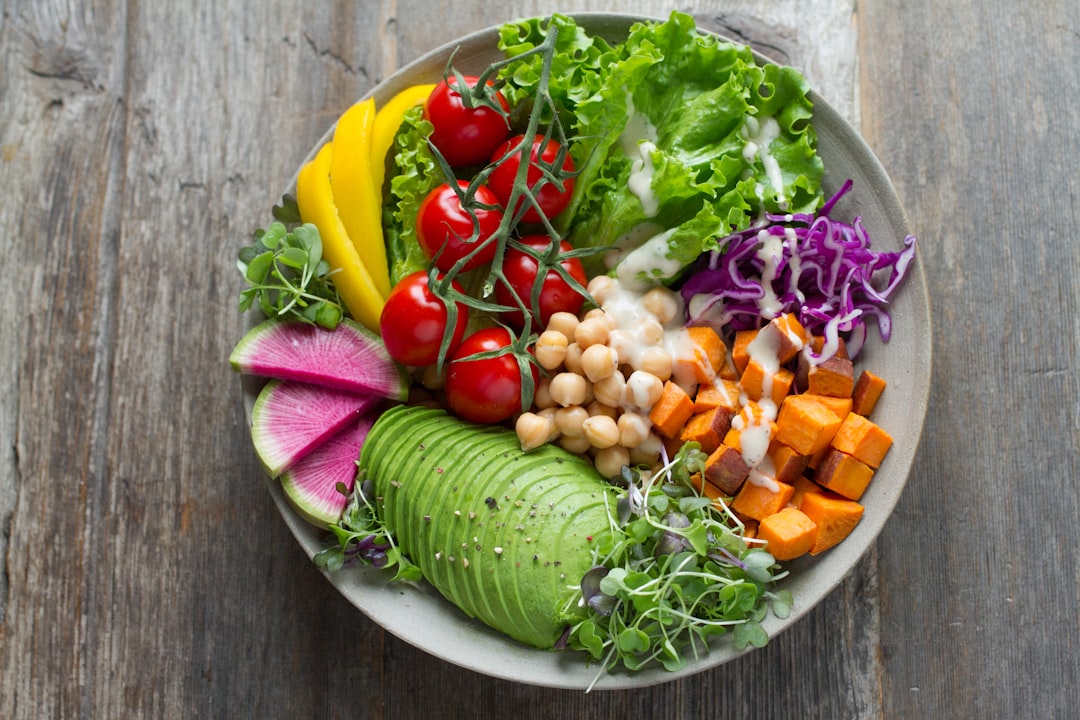
Could Your Dinner Plate Save Your Heart?
Imagine this: You’re sitting at the dinner table, a colorful array of vegetables, grains, and legumes fills your plate. You take a bite of a quinoa-stuffed bell pepper, and a burst of flavor dances on your palate. But there’s something even more significant happening behind the scenes—this meal isn’t just delicious; it’s actively working to protect your heart.
If this resonates with you, Balance of Nature Supplement might be worth checking out — Check Price on Amazon.
In a world where heart disease remains a leading cause of mortality, the urgency to find effective preventive measures has never been greater. With statistics showing that about 697,000 Americans died from heart disease in 2020 alone, the quest for heart health is more critical than ever. What if I told you that the simple act of choosing a plant-based diet could drastically reduce your risk of heart disease? Let’s explore how incorporating more plants into your meals can lead to a healthier heart and overall cardiovascular wellness.
 Popular Choice
GNC Mega Men Multivitamin — Supports heart and prostate health with clinically studied antioxidants.
View on Amazon
The Science Behind a Plant-Based Diet and Heart Health
Research has continued to unearth the profound impact that a plant-based diet can have on cardiovascular health. Studies show that diets rich in fruits, vegetables, whole grains, nuts, and legumes are associated with lower blood pressure, reduced cholesterol levels, and improved blood vessel function. But what exactly makes these foods heart-friendly?
- Rich in Nutrients: Plant-based foods are packed with vitamins, minerals, and antioxidants. For instance, berries are high in antioxidants that combat oxidative stress, a contributor to heart disease.
- Low in Saturated Fats: Most plant-based foods contain little to no saturated fats. Instead of slathering your meals in butter or fatty meats, think about using avocado or olive oil, which provide healthier fat options.
- High in Fiber: Dietary fiber found in whole grains and legumes helps lower cholesterol levels and improves digestion. A diet high in fiber can reduce the risk of developing atherosclerosis, a condition where arteries become narrowed.
Your Daily Plate: A Heart-Healthy Makeover
Now that you understand the benefits of a plant-based diet, let’s talk about how to incorporate these principles into your everyday meals. Ready for a heart-healthy makeover?
Start Your Day with Fiber: Kick off your morning with oatmeal topped with nuts and berries, or a smoothie packed with spinach and banana. You’re not just fueling your body; you’re giving it the tools to fight off heart disease.
Color Your Lunch: For lunch, think vibrant salads with a variety of vegetables, beans, and a sprinkle of seeds. Combine kale, chickpeas, cherry tomatoes, and a drizzle of tahini dressing. Your heart will thank you!
Dinner Delight: For dinner, try a stir-fry loaded with broccoli, bell peppers, carrots, and tofu, served over brown rice. Not only is this meal bursting with flavor, but it’s also heart-healthy.
Real-Life Impact: Heart Disease Prevention Through Diet
Consider the story of James, a 55-year-old man who struggled with high blood pressure and elevated cholesterol levels. After a routine check-up, his doctor raised concerns. Faced with the possibility of medication and lifestyle changes, James decided to take charge of his health.
He began to incorporate more plant-based meals into his diet. Within just three months, his doctor noticed significant improvements. James lost weight, his blood pressure decreased, and his cholesterol levels dropped to a healthier range. He found that he not only felt better physically but also mentally, with increased energy and improved mood.
The Evidence Speaks
Studies have shown that individuals who follow a predominantly plant-based diet have a 32% lower risk of developing heart disease compared to those who consume more animal products. The benefits are evident! However, transitioning to a plant-based lifestyle doesn’t have to happen overnight.
Tips for a Smooth Transition
Switching to a plant-based diet can seem overwhelming, but it doesn’t have to be. Here are some practical tips to make the shift smoother:
- Step-by-Step Approach: Don’t feel pressured to go completely vegan or vegetarian right away. Start by introducing one plant-based meal per day and gradually increase.
- Experiment with New Recipes: Try new plant-based recipes that excite you! Websites and cookbooks are overflowing with creative ideas that can make vegetarian cooking fun.
- Cooking in Batches: Prepare meals in batches to save time during the week. Soups, stews, and chili can be made in large quantities and frozen for later use.
- Find a Support System: Join local or online communities focused on plant-based eating. Sharing experiences and recipes can motivate you to stay on track.
Common Misconceptions About Plant-Based Diets
As you embark on this journey, you might encounter some common misconceptions about plant-based diets. Let’s address a few:
- “Plant-based means no protein.” Many people worry about protein intake when considering a plant-based diet. However, options like lentils, chickpeas, tofu, and quinoa are excellent protein sources.
- “It’s expensive.” While some specialty plant-based products can be pricey, whole foods like beans, rice, and seasonal vegetables are quite affordable. Meal planning can help you stick to a budget.
- “I’ll miss out on flavor.” On the contrary! Plant-based meals can be packed with flavor through the use of herbs, spices, and varied cooking techniques.
Listening to Your Body
Transitioning to a plant-based diet can lead to remarkable changes in how you feel. Pay attention to how your body responds. Some individuals report increased energy, better digestion, and clearer skin after adopting a plant-based lifestyle. However, it’s essential to remain mindful and consult with a healthcare provider if you have any concerns.
Be Aware of Potential Pitfalls
Even with the shift toward plants, be mindful of a few potential pitfalls:
- Over-reliance on processed foods: Not all plant-based options are created equal. Many processed products can contain high levels of sodium and unhealthy additives.
- Neglecting Nutrients: Ensure you’re getting enough B12, iron, and omega-3 fatty acids. These nutrients are vital for overall health and can be obtained through fortified foods or supplements.
Final Thoughts: Your Heart Deserves the Best
As you ponder your next meal, remember that you can make choices today that will benefit your heart tomorrow. Embracing a plant-based diet not only reduces your risk of heart disease but also enhances your overall health and well-being. With each bite of colorful fruits and vegetables, you’re investing in a future filled with vitality and longevity.
 Worth a Look
Balance of Nature Supplement
Supports daily nutrition with whole fruit and vegetable ingredients.
So, what will you prepare for dinner tonight? Choose heart-healthy foods, and take another step towards a healthier you!
Popular ChoiceGNC Mega Men Multivitamin — Supports heart and prostate health with clinically studied antioxidants.
View on Amazon
This article is for general informational purposes only and is not medical advice. It is not a substitute for professional medical diagnosis, treatment, or care. Always consult a qualified healthcare provider with any questions about a medical condition or before making changes to your health routine.
As an Amazon Associate I earn from qualifying purchases.
This post may contain affiliate links — if you make a purchase through them, we may earn a small commission at no additional cost to you.