


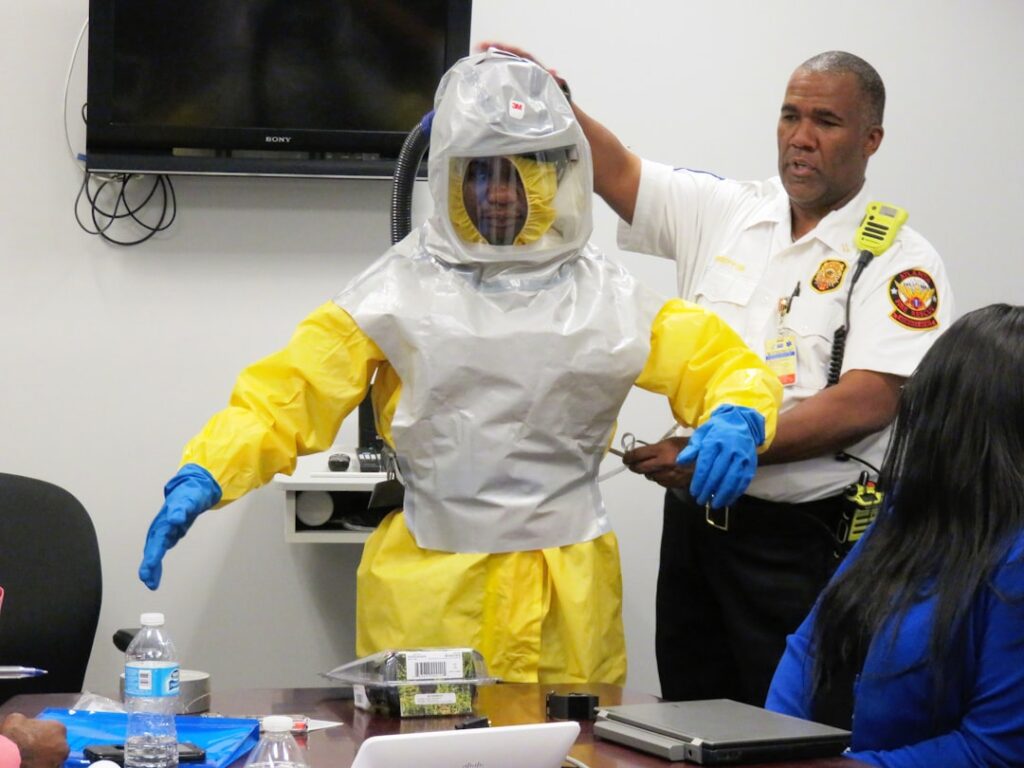
Facing the Ebola Threat: A Real-Life Situation
Imagine a world where a silent predator lurks in the shadows, ready to strike without warning. This is the reality of the Ebola virus, a virulent pathogen that has made headlines once again due to a recent outbreak. As reported by the Centers for Disease Control and Prevention (CDC), the current situation surrounding this deadly virus is both alarming and pivotal for public health. So, what exactly is happening with the Ebola outbreak, and how can you stay informed and protected?
What is Ebola?
The Ebola virus disease (EVD) is caused by the Ebola virus, which can lead to severe hemorrhagic fever in humans and non-human primates. First identified in 1976, Ebola has had repeated outbreaks, primarily in Africa. Symptoms typically appear between 2 to 21 days after exposure, including fever, severe headaches, muscle pain, fatigue, diarrhea, vomiting, and in severe cases, internal and external bleeding.
The Current Situation Explained
As of now, the CDC has reported a new surge in cases linked to an outbreak in a specific region. This outbreak has triggered public health responses at local, national, and international levels. The virus is highly contagious, and if not contained, it can spread rapidly, especially in communities lacking adequate healthcare infrastructure.
In the affected areas, health authorities are working tirelessly to implement measures aimed at controlling the virus’s spread. This includes contact tracing, community engagement to inform the public about prevention, and the establishment of treatment centers.
Transmission: How Does the Virus Spread?
Ebola is primarily transmitted through direct contact with bodily fluids of an infected person, including blood, saliva, sweat, and vomit. Additionally, the virus can spread through contact with contaminated surfaces and objects, including medical equipment. Understanding these transmission dynamics is crucial for preventing further outbreaks.
Early Symptoms to Watch For
Recognizing the early symptoms of Ebola can be life-saving. Some of the initial signs are similar to other viral infections, which may delay diagnosis. Look for:
- Sudden onset of fever
- Severe headaches
- Joint and muscle pain
- Fatigue
- Diarrhea and vomiting
If you or someone you know experiences these symptoms, especially if there has been recent travel to an affected region or contact with an infected person, it’s vital to seek medical attention immediately. Prompt medical intervention is critical.
Health Measures and Guidelines
The response to the Ebola outbreak involves several critical health measures. Here are some recommendations to keep in mind:
- Wash your hands frequently with soap and water, or use an alcohol-based hand sanitizer.
- Practice safe burial practices. If a person dies from Ebola, do not touch the body without proper safety equipment.
- Stay informed about the outbreak status from reliable sources like the CDC and World Health Organization.
- If you are in an affected area, limit contact with potentially infected individuals.
The Role of Vaccines and Treatments
Vaccination is a vital tool in combating Ebola. There are effective vaccines that have been developed and are used in outbreak response efforts. These vaccines have shown high efficacy in preventing the disease among those who are exposed to the virus.
Current treatments for Ebola include supportive care, such as rehydration and symptom management, as well as experimental antiviral drugs which have shown promise in clinical settings. Research is ongoing to develop more effective treatments and vaccines.
The Importance of Community Engagement
Community involvement plays a crucial role in managing Ebola outbreaks. Health organizations are working to educate communities about the virus, its transmission, and how to prevent it. Local leaders and influencers can help disseminate information effectively to combat fear and misinformation.
Additionally, survivors of Ebola can be instrumental in educating others about the disease, as their experiences can foster trust and encourage people to seek help.
Global Response to the Outbreak
International organizations, including the CDC and WHO, are closely monitoring the situation. They collaborate with local governments to provide resources, technical assistance, and logistical support. Global cooperation is essential to prevent the spread of Ebola beyond its current outbreak zones.
How You Can Help
If you’re looking to contribute to the fight against Ebola, consider supporting reputable organizations involved in outbreak response and public health education. Donations can help fund resources for healthcare workers, provide medical supplies, and support vaccination campaigns.
The Path Forward: Staying Informed
As the situation with the Ebola outbreak evolves, staying informed is your best defense. Regularly check trusted sources for updates and guidance. Remember that while Ebola is a serious disease, proactive measures can significantly reduce your risk of infection and contribute to community health.
This outbreak is a reminder of the interconnectedness of our global health landscape. The more we understand about Ebola and its transmission, the better equipped we are to respond effectively. Be vigilant, stay educated, and remember: Your health and safety are paramount.
This article is for general informational purposes only and is not medical advice. It is not a substitute for professional medical diagnosis, treatment, or care. Always consult a qualified healthcare provider with any questions about a medical condition or before making changes to your health routine.