Great Health Great Fitness

The Surprising Link Between Your Gut and Your Mood: Understanding the Gut-Brain Connection
Explore the fascinating connection between gut health and mental well-being, and discover practical tips to enhance your mood through diet.
Have You Ever Felt Stressed After Indulging?
Imagine this: you’ve had a long day at work, filled with meetings and deadlines. To unwind, you treat yourself to a hefty bowl of ice cream. Maybe you feel an instant rush of comfort, but within an hour, you’re hit with anxiety, restlessness, or even a sudden urge to reach for more snacks. What just happened? This scenario may seem trivial, but it sheds light on an intricate relationship that many of us overlook—the profound connection between our gut health and mental well-being.
If this resonates with you, GLP-1 Probiotic Supplement might be worth checking out — See Latest Price.
Recent research has illuminated the complex communication network between our gut and brain, collectively known as the gut-brain axis. It’s a fascinating system that not only impacts how we digest food but also plays a significant role in our emotional health. Understanding this connection is crucial, especially when considering conditions like anxiety and depression, which affect millions worldwide.
The Science Behind the Gut-Brain Connection
You may be surprised to learn that your gut is home to trillions of microorganisms, collectively known as the gut microbiome. These bacteria, fungi, and other microbes play a crucial role in digesting our food, but recent studies suggest they might also influence our mood and behavior.
A remarkable statistic shows that around 90% of serotonin, often referred to as the “happy hormone,” is produced in the gut. This neurotransmitter significantly contributes to feelings of well-being. Thus, a thriving microbiome could potentially lead to improved mental health, while a disrupted gut could contribute to issues like anxiety and depression.
How Does Gut Health Affect Anxiety and Depression?
Picture this: you wake up one morning feeling anxious. Your heart races, your palms sweat, and a sense of dread washes over you. You might not realize that an imbalance in your gut bacteria could be aggravating these feelings. Studies have shown that individuals with anxiety and depression often have a less diverse gut microbiome. This lack of diversity can lead to inflammation and a host of other issues that may negatively impact mental health.
For instance, a study published in the journal Nature Microbiology explored how certain gut bacteria can produce neurotransmitters that affect mood. For example, a species called Faecalibacterium prausnitzii has been found to have anti-inflammatory properties. A deficiency in this bacterium has been linked to increased anxiety and depressive symptoms. This offers a clear example of how our gut flora can play a role in our mental health.
The Role of Diet in Supporting Gut Health
So, how can you support your gut microbiome to enhance your mental well-being? The answer often lies in your diet. Consuming a variety of fiber-rich foods, such as fruits, vegetables, legumes, and whole grains, can nourish your gut bacteria. Foods like bananas, oats, and artichokes are excellent sources of prebiotics, which feed the good bacteria in your gut.
Incorporating fermented foods into your diet is also beneficial. Foods such as yogurt, kefir, sauerkraut, and kimchi contain probiotics—live bacteria that can help restore balance in your gut. You might consider starting your day with a yogurt parfait topped with fresh fruits or adding a side of sauerkraut to your lunch. These simple adjustments can have a significant impact on your gut health and, consequently, your mood.
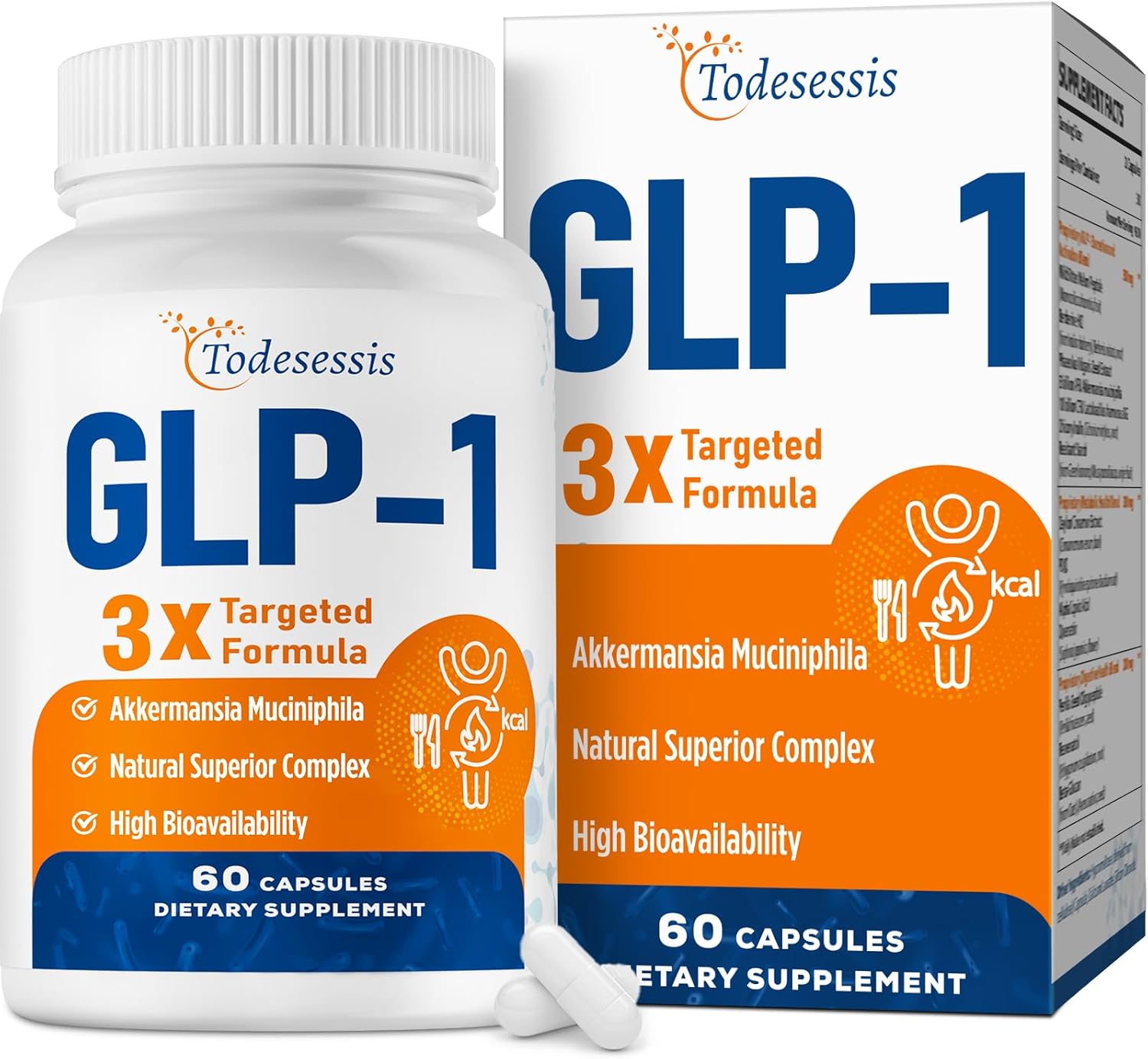 Worth a Look
GLP-1 Probiotic Supplement
Supports metabolism and gut health with a unique probiotic blend.
Real-Life Scenarios: How Gut Health Affects Mood
Let’s take a look at a couple of realistic scenarios to illustrate this connection further.
Scenario 1: Sarah’s Story
Meet Sarah, a 29-year-old graphic designer who has struggled with anxiety for years. She often feels overwhelmed and finds it hard to concentrate. After doing some research, she learns about the gut-brain connection and decides to revamp her diet.
She starts incorporating more fermented foods like kimchi and kombucha into her meals. Within a few weeks, she notices a significant change—her anxiety levels decrease, and she feels more balanced throughout the day.
Scenario 2: Mark’s Journey
Mark, a 35-year-old accountant, frequently experiences depression. He often relies on fast food and sugary snacks for quick energy. However, after attending a health seminar on the gut-brain axis, he decides to make changes.
Mark begins to eat more whole foods, including leafy greens, nuts, and whole grains. He also starts taking a daily probiotic supplement. Over time, he notices that his depressive episodes become less frequent, and he feels more motivated and engaged in his life.
The Impact of Stress on Gut Health
It’s important to note that stress doesn’t just affect our minds; it can also wreak havoc on our gut health. When you’re stressed, your body produces more cortisol, a hormone that can disrupt the balance of gut bacteria. This leads to a vicious cycle—stress impacts gut health, and poor gut health can, in turn, increase stress and anxiety levels.
Recognizing this cycle is crucial. When you feel stress creeping in, consider taking a moment to practice mindfulness or deep-breathing exercises. Even activities like going for a walk or spending time in nature can help reduce stress and promote a healthier gut.
Supplements and Their Role
If you’re wondering whether supplements could help, you’re not alone. Many people are turning to probiotics as a way to enhance gut health. While there’s no one-size-fits-all solution, specific strains of probiotics have shown promise in alleviating symptoms of anxiety and depression. For example, Lactobacillus rhamnosus has been linked to reduced anxiety in animal studies.
However, it’s crucial to approach supplementation cautiously. Not all probiotics are created equal, and what works for one person might not work for another. Always consult a healthcare provider before starting any new supplement regimen.
Practical Tips for Supporting Mental and Gut Health
As you navigate your journey towards better gut and mental health, here are some practical tips to keep in mind:
- Consume a diverse diet rich in whole foods, fiber, and fermented products.
- Stay hydrated; drinking plenty of water can support digestion and gut health.
- Limit processed foods and sugars that can harm gut bacteria.
- Prioritize regular exercise, which can help reduce stress and improve gut function.
- Consider mindfulness practices to manage stress effectively.
- Consult with a healthcare provider before starting any supplements.
Final Thoughts: Nourishing Your Gut for a Healthier Mind
The link between gut health and mental well-being is becoming increasingly clear. By understanding and nurturing this connection, you can improve your overall quality of life. Whether it’s through dietary changes, stress management techniques, or seeking professional help, taking steps towards enhancing your gut health can lead to a happier, more balanced you.
 Popular Choice
Balance of Nature Supplement — Supports daily nutrition with whole fruit and vegetable ingredients.
Check Price on Amazon
Remember, your gut health is more than just physical; it’s intricately connected to your emotional landscape. So, the next time you feel anxious or down, consider what’s happening in your gut. It might just be the key to unlocking a brighter mood.
Popular ChoiceBalance of Nature Supplement — Supports daily nutrition with whole fruit and vegetable ingredients.
Check Price on Amazon
This article is for general informational purposes only and is not medical advice. It is not a substitute for professional medical diagnosis, treatment, or care. Always consult a qualified healthcare provider with any questions about a medical condition or before making changes to your health routine.
As an Amazon Associate I earn from qualifying purchases.
This post may contain affiliate links — if you make a purchase through them, we may earn a small commission at no additional cost to you.