Great Health Great Fitness

Unlocking Heart and Kidney Health: The Critical Role of Vitamin D
Discover how Vitamin D is crucial for your heart and kidney health, and explore tips to boost your levels effectively!

Disclosure: This post contains affiliate links. If you buy through them we may earn a small commission at no extra cost to you. As an Amazon Associate I earn from qualifying purchases.
Have You Checked Your Vitamin D Levels Lately?
Imagine this: it’s a bright sunny day, and you decide to take a leisurely stroll outside. The sun feels warm on your skin, and you relish the moment. But did you know that just a few minutes of sunlight can do wonders for your health? One of the most essential nutrients your body produces from sunlight is Vitamin D.
If this resonates with you, GLP-1 Probiotic Supplement might be worth checking out — See Latest Price.
While many people associate Vitamin D primarily with bone health, its impact stretches far beyond that. This nutrient plays a pivotal role in maintaining your heart and kidney health, too. Are you getting enough Vitamin D in your life? Let’s dive into the fascinating world of this vital nutrient and uncover its significance for your overall well-being.
The Heart: Your Body’s Engine
Your heart is a powerhouse, tirelessly pumping blood throughout your body. Yet, this incredible organ is susceptible to various health issues, including hypertension, heart disease, and heart failure. Did you know that Vitamin D may help mitigate some of these risks?
Research suggests that individuals with low Vitamin D levels may have an increased risk of heart disease. A notable study published in the journal Heart found a significant correlation between low Vitamin D levels and a higher incidence of cardiovascular events. Specifically, those who had deficient levels were about 50% more likely to experience heart attacks and strokes than those with adequate levels.
But how does this happen? Vitamin D plays a crucial role in regulating inflammation and calcium metabolism, both of which are essential for maintaining cardiovascular health. It helps your blood vessels relax, promoting healthy blood flow and reducing the risk of arterial stiffness.
 Editor's Pick
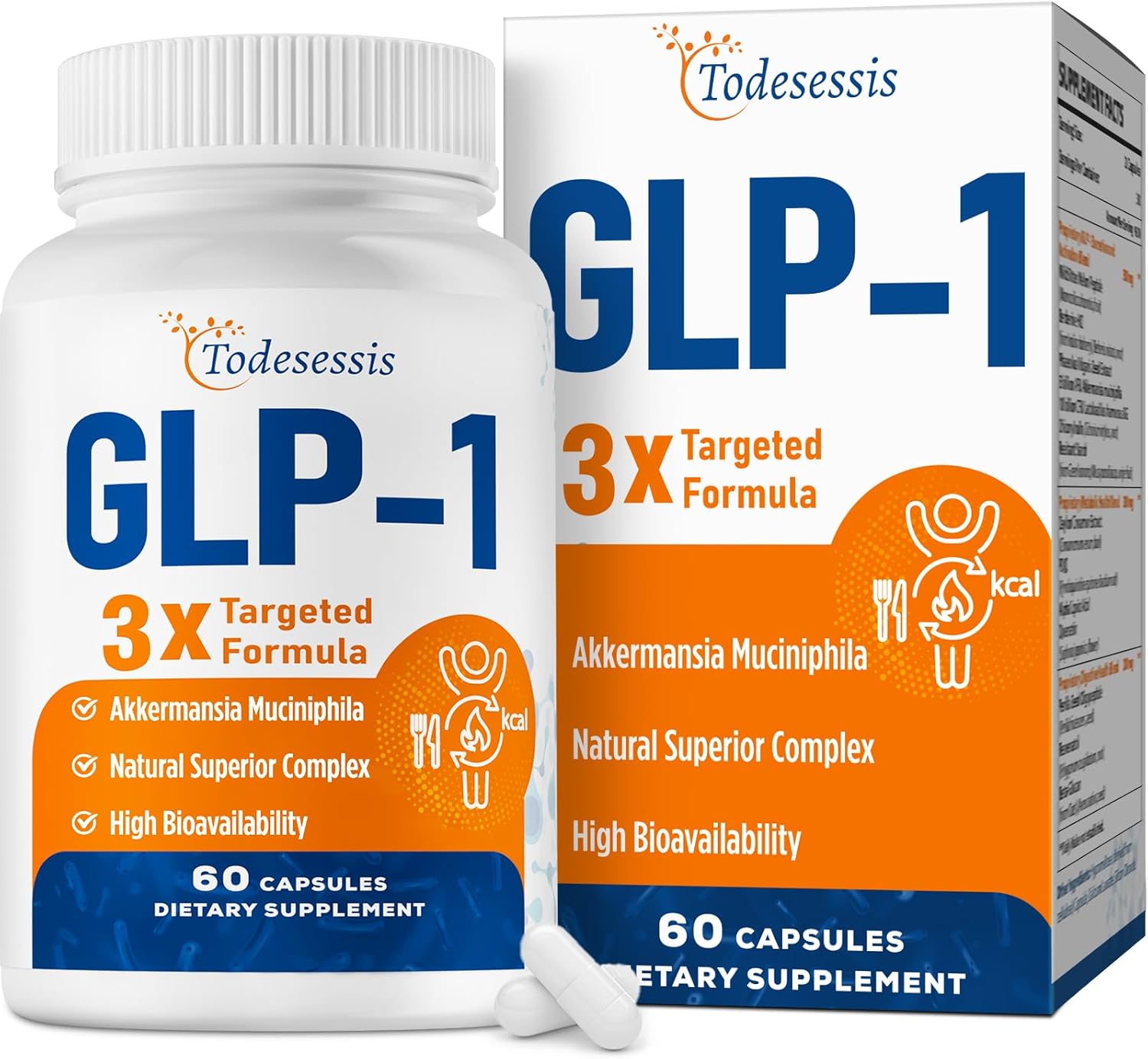
GLP-1 Probiotic Supplement
Supports metabolism and gut health with a unique probiotic blend.
Kidneys: The Body’s Filtration System
Your kidneys are like the body’s natural filters, working hard to remove waste and excess fluids. They also regulate essential minerals, such as calcium and phosphorus, which are vital for bone and muscle health. However, Vitamin D deficiency can hinder their performance.
When Vitamin D levels are too low, it can lead to an imbalance in calcium and phosphorus levels, which may put additional stress on your kidneys. This can exacerbate existing kidney disease and hinder the body’s ability to maintain proper mineral balance. Furthermore, a study in the Clinical Journal of the American Society of Nephrology indicated that low Vitamin D levels are common in individuals with chronic kidney disease.
Low Vitamin D can also increase the risk of developing kidney stones. Insufficient levels may lead to hyperparathyroidism, where the parathyroid glands secrete excess hormone, causing calcium to leach from bones and increase calcium levels in the urine, promoting stone formation.
Signs You Might Be Lacking Vitamin D
So, how do you know if you’re getting enough Vitamin D? Here are some signs and symptoms that might indicate a deficiency:
- Frequent fatigue or tiredness.
- Bone pain or tenderness.
- Muscle weakness or cramps.
- Increased risk of infections.
- Mood changes, such as depression or anxiety.
If you’re experiencing any of these symptoms, it might be worthwhile to consult a healthcare professional. They can recommend a simple blood test to check your Vitamin D levels.
How to Boost Your Vitamin D Levels
Incorporating more Vitamin D into your routine doesn’t have to be complicated. Here are some practical tips to enhance your Vitamin D intake:
- Get outside! Aim for at least 15-30 minutes of sunlight exposure several times a week. Remember that your skin synthesizes Vitamin D when it’s exposed to UV rays.
- Include vitamin D-rich foods in your diet. Fatty fish (like salmon and mackerel), egg yolks, fortified dairy products, and mushrooms can help boost your levels.
- Consider supplementation if you have limited sun exposure or dietary sources. Talk to your doctor about the best option for you.
It’s essential to find the right balance. While sunlight is a great source of Vitamin D, excessive exposure can increase the risk of skin cancer. Always practice sun safety!
The Link Between Vitamin D and Chronic Conditions
The impacts of Vitamin D extend into the realm of chronic diseases. Emerging research indicates a strong connection between Vitamin D deficiency and conditions like diabetes, hypertension, and even certain cancers.
For instance, studies have shown that low Vitamin D levels can negatively affect insulin sensitivity, which may increase the risk of type 2 diabetes. Additionally, some research suggests that individuals with higher Vitamin D levels have a lower incidence of hypertension.
Why is this? Vitamin D’s role in calcium metabolism and the regulation of the renin-angiotensin system (which controls blood pressure) could be why adequate levels contribute to cardiovascular health.
Warnings for Vitamin D Deficiency
Before concluding, let’s emphasize some critical points regarding Vitamin D deficiency:
- Low levels can lead to serious health issues, including heart disease and kidney dysfunction.
- Symptoms may be subtle, yet they can significantly impact your quality of life.
- Testing is crucial for anyone experiencing symptoms or at risk of deficiency.
Vitamin D: A Small Nutrient with a Big Impact
Vitamin D is often overlooked as a simple vitamin, but its influence on our health is profound. From promoting heart health to supporting kidney function, ensuring you have adequate levels is essential for a thriving body.
 Worth a Look
GNC Mega Men Multivitamin — Supports heart and prostate health with clinically studied antioxidants.
View on Amazon
Your journey to better health could start with a simple step: stepping outside into the sunlight. Combine that with a nutritious diet, and you’re on your way to reaping the full benefits of this essential nutrient.
So next time you’re out soaking up the sun, remember: you’re not just enjoying the moment; you’re also investing in your heart and kidneys. Take control of your health today!
RecommendedGNC Mega Men Multivitamin — Supports heart and prostate health with clinically studied antioxidants.
View on Amazon
This article is for general informational purposes only and is not medical advice. It is not a substitute for professional medical diagnosis, treatment, or care. Always consult a qualified healthcare provider with any questions about a medical condition or before making changes to your health routine.
As an Amazon Associate I earn from qualifying purchases.
This post may contain affiliate links — if you make a purchase through them, we may earn a small commission at no additional cost to you.
Related reading
Medical disclaimer: This content is for general information only and is not a substitute for professional medical advice, diagnosis or treatment. Consult a qualified doctor or dietitian before changing your diet, exercise or supplements.