


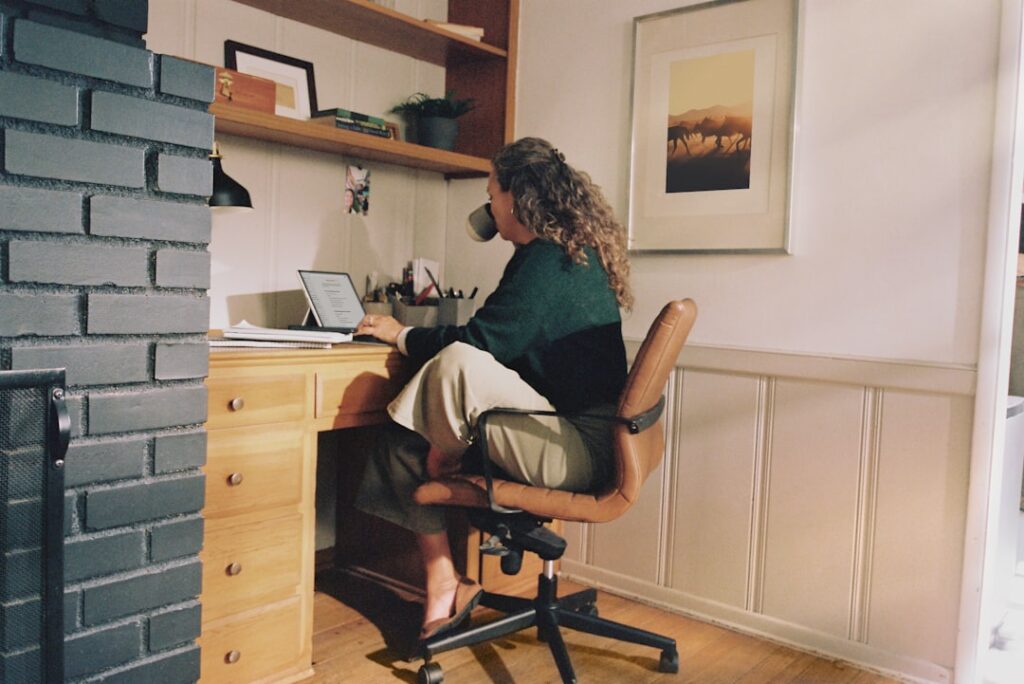
The Hidden Threat of a Sedentary Lifestyle
Imagine a typical day: you wake up, check your phone, and spend hours scrolling through social media. Then it’s on to your computer for work, where you might sit for eight or more hours. After work, perhaps you relax on the couch with your favorite show. This is a familiar routine for many, but what if I told you this seemingly harmless lifestyle could be contributing to a growing epidemic of chronic diseases? The Cleveland Clinic recently highlighted how a sedentary lifestyle can critically impact your health, and this is an issue that deserves your attention.
Before diving in — if you're looking for practical support, GLP-1 Probiotic Supplement is worth a look — See Latest Price.
Defining Sedentary Lifestyle and Its Dangers
A sedentary lifestyle is defined as a daily routine characterized by prolonged periods of inactivity, primarily sitting. Recent studies have connected this lifestyle to a range of serious health problems, including cardiovascular disease, diabetes, and even certain cancers. In fact, research shows that individuals who sit for more than six hours a day are at a significantly higher risk for these conditions compared to their more active counterparts.
The Health Risks of Sitting Too Much
Let’s dive deeper into the specific health risks associated with a sedentary lifestyle:
- Cardiovascular Disease: Prolonged sitting can lead to poor blood circulation, which increases the risk of heart disease. Inactivity is linked to higher cholesterol levels and blood pressure, making it a silent killer.
- Type 2 Diabetes: Lack of movement can lead to insulin resistance, a key factor in the development of type 2 diabetes. Studies indicate that even short bouts of sitting can negatively impact glucose metabolism.
- Obesity: A sedentary lifestyle contributes to weight gain as it reduces the number of calories burned. Coupled with poor dietary choices, this can create a cycle that is hard to break.
- Musculoskeletal Disorders: Sitting for long periods can lead to chronic pain, particularly in the lower back and neck. Poor posture can exacerbate these issues, leading to discomfort and decreased quality of life.
- Mental Health Issues: Sedentary behavior is associated with anxiety and depression. Physical activity releases endorphins, and without it, individuals may feel more lethargic and down.
Understanding the Impact of Inactivity on Specific Populations
It’s important to recognize that certain populations may be more susceptible to the risks of a sedentary lifestyle. For instance:


OMRON Blood Pressure Monitor — Monitor your blood pressure accurately and conveniently at home.
Check Price on Amazon


GLP-1 Probiotic Supplement
Supports metabolism and gut health with a unique probiotic blend.
- Office Workers: Many people are required to sit at desks for the majority of their workday. This can lead to severe implications for their health if not addressed.
- Students: With the rise of online learning, students may find themselves sitting for extended periods, both in class and during study sessions.
- The Elderly: Older adults often become less active due to mobility issues or a lack of motivation, placing them at higher risk for chronic diseases.
Practical Solutions to Combat Sedentary Behavior
So, what can you do to combat this epidemic? Here are some practical tips to incorporate more activity into your daily routine:
- Set a Timer: Use your phone or computer to remind you to stand up and stretch every hour. Even a few minutes of movement can make a significant difference.
- Incorporate Walking Meetings: If you work in an office, suggest walking meetings with colleagues. This not only helps you move but can also boost creativity.
- Use a Standing Desk: If possible, try using a standing desk or a convertible desk that allows you to alternate between sitting and standing.
- Engage in Regular Exercise: Aim for at least 150 minutes of moderate aerobic activity each week. This could be brisk walking, cycling, or swimming.
- Limit Screen Time: Set boundaries for how much time you spend sitting in front of screens for entertainment. Try to engage in more physically active hobbies.
The Role of Community and Social Support
Combating a sedentary lifestyle often requires community and social support. Look for local exercise groups, walking clubs, or even online communities that encourage activity. Engaging with others can provide motivation and accountability. For example, many cities host community fitness events that cater to all skill levels—joining one can be a fun way to meet like-minded individuals while getting active.
Understanding the Long-Term Consequences
Ignoring the impacts of a sedentary lifestyle can lead to devastating long-term health consequences. Research has shown that a lack of physical activity contributes to early mortality. In fact, it’s estimated that physical inactivity is responsible for more than 5 million deaths worldwide each year. This stark statistic underscores the urgent need for individuals to take action.
Listen to Your Body
One of the simplest yet most effective strategies to combat a sedentary lifestyle is to listen to your body. Are you feeling sluggish? Do you notice aches and pains after long periods of sitting? These are signs that your body craves movement. Start small—take a walk around your room or do a few stretches during TV commercials. These seemingly minor adjustments can accumulate over time and lead to significant improvements in your overall health.
The Importance of Mindful Movement
Consider adopting a mindset of mindful movement. This means being intentional about the ways you move throughout your day. Perhaps you choose the stairs instead of the elevator or park further away from your destination. Every small choice adds up and contributes to a more active lifestyle.
Final Thoughts on Embracing an Active Lifestyle
In conclusion, the evidence is clear: a sedentary lifestyle poses serious health risks, contributing to chronic diseases that can affect your quality of life. By taking proactive steps to incorporate more movement into your day, you can significantly reduce your risk of developing these conditions. Remember, it’s never too late to start making changes. Whether you begin by standing up every hour, joining a local fitness group, or simply going for a daily walk, every effort counts. Start today, and take charge of your health—your future self will thank you!
OMRON Blood Pressure Monitor — Monitor your blood pressure accurately and conveniently at home.
Check Price on Amazon
This article is for general informational purposes only and is not medical advice. It is not a substitute for professional medical diagnosis, treatment, or care. Always consult a qualified healthcare provider with any questions about a medical condition or before making changes to your health routine.
As an Amazon Associate I earn from qualifying purchases.
This post may contain affiliate links — if you make a purchase through them, we may earn a small commission at no additional cost to you.