

Imagine This Scenario
Picture yourself lounging on the couch, enjoying your favorite show after a long day. Suddenly, a sharp pain shoots through your head, accompanied by a feeling of dizziness. You brush it off as fatigue, but what if it’s more serious? Many women experience symptoms of hypertension, or high blood pressure, without even realizing it. That’s why regular screenings are vital. In this article, we’ll explore the importance of these screenings, how to recognize symptoms, management strategies, and lifestyle adjustments that can empower you to take control of your health.


OMRON Blood Pressure Monitor — Monitor your blood pressure accurately and conveniently at home.
Check Price on Amazon
Before diving in — if you're looking for practical support, OMRON Blood Pressure Monitor is worth a look — Check Price on Amazon.
Understanding Hypertension
Hypertension is often dubbed a “silent killer.” Why? Because it frequently presents no obvious symptoms until it has already caused significant damage to your body, particularly your heart and arteries. According to the American Heart Association, nearly half of the adults in the U.S. have high blood pressure, and women are uniquely affected by its nuances.
Why Women Are at Risk
Women face unique challenges regarding hypertension. For instance, hormonal changes during different life stages—such as puberty, pregnancy, and menopause—can influence blood pressure levels. Stressors, whether they stem from work, family, or other commitments, can also exacerbate this condition. Did you know that women are more likely to develop hypertension after menopause? This increase is linked to hormonal shifts and lifestyle factors.
Recognizing the Symptoms
Common Symptoms of Hypertension
Many women dismiss subtle signs that could indicate rising blood pressure. Don’t ignore warning signs like:
- Headaches, especially those that feel different from your usual
- Dizziness or lightheadedness
- Blurred vision
- Chest pain or tightness
- Shortness of breath
If you experience any of these symptoms, it’s crucial to consult a healthcare provider swiftly. Regular screenings can help catch hypertension before it spirals out of control.
When Should You Screen?
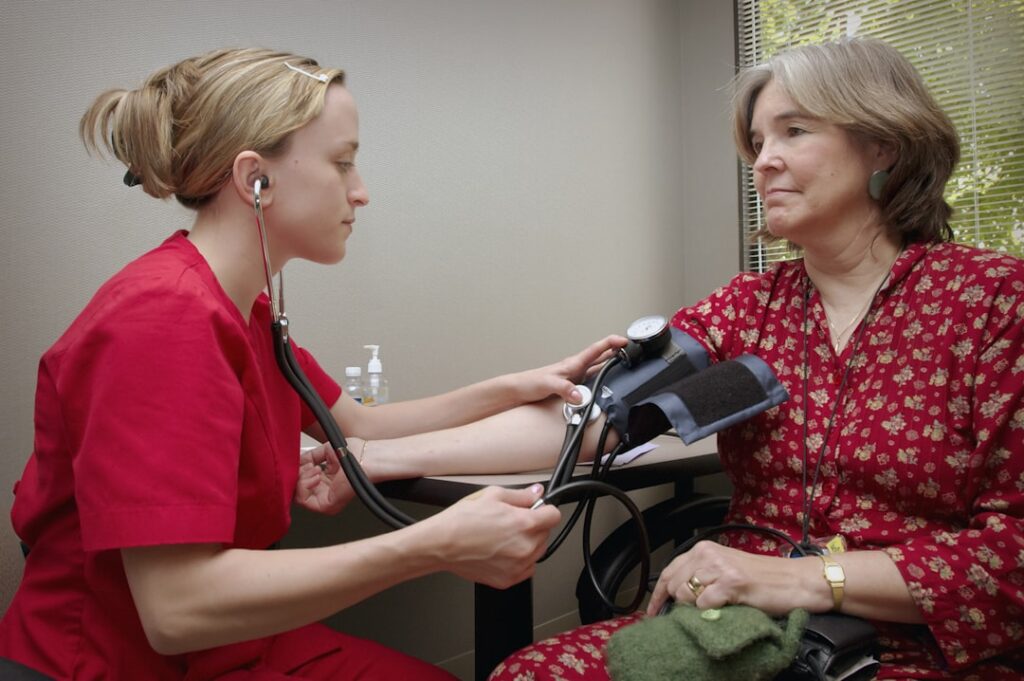
The general recommendation is to start screening for high blood pressure at age 20 and continue every two years if your readings are normal. If you fall into a higher risk category, such as having a family history of hypertension or being overweight, your doctor may suggest more frequent screenings.
Management Strategies
Medications
Your doctor may prescribe antihypertensives to help manage your blood pressure. It’s important to take them as directed and discuss any side effects with your physician. Remember, everyone’s body reacts differently, so finding the right medication may take some time.
Regular Monitoring
Monitoring your blood pressure at home can empower you to stay informed about your health. Invest in a good-quality home blood pressure monitor. Keeping a log of your readings can also help you and your doctor make informed decisions.
Recognizing Triggers
Identifying personal triggers for high blood pressure can be transformative. Do you feel your stress levels rise during deadlines? Does consuming salt-heavy meals lead to discomfort? By keeping a journal and tracking your symptoms, you can pinpoint what factors contribute to your hypertension.
Lifestyle Adjustments for Better Health
Nutrition Matters
What you eat can drastically affect your blood pressure. Emphasizing a heart-healthy diet can help lower your risk. Here are some dietary adjustments you can make:
- Increase Fruits and Vegetables: Aim for at least five servings a day. These foods are rich in potassium and fiber, both essential for heart health.
- Limit Sodium Intake: Try to keep your sodium consumption to under 2,300 mg per day. This can be challenging but is crucial for managing hypertension.
- Choose Whole Grains: Switching to whole grains over refined grains can improve blood pressure and overall health.
Consider meal prepping to stay on track with your nutrition goals. Preparing healthy meals in advance can reduce the temptation to indulge in unhealthy options when you’re busy.
Physical Activity
Regular exercise is a powerful tool in managing hypertension. Aim for at least 150 minutes of moderate exercise per week. Activities like brisk walking, swimming, or cycling can elevate your heart rate and improve overall cardiovascular health.
Stress Management Techniques
Stress can significantly impact blood pressure. Incorporate stress-reducing activities into your routine. Techniques such as yoga, meditation, or simple breathing exercises can help you unwind and lower your blood pressure. For example, even five minutes of deep breathing can drastically shift your mood and physiological state.
Real-Life Success Stories
Let’s look at some inspiring examples of women who took control of their hypertension through regular screenings and lifestyle changes.
OMRON Blood Pressure Monitor
Monitor your blood pressure accurately and conveniently at home.
Maria’s Journey
Maria, a 45-year-old teacher, noticed she was feeling unusually fatigued. After a routine check-up revealed her blood pressure was elevated, she decided to take action. With her doctor’s guidance, she started a simple walking routine, incorporating 30 minutes of brisk walking three times a week. Additionally, she adjusted her diet, swapping out processed snacks for fruits and nuts. Within a few months, her blood pressure normalized, and she felt more energetic than ever.
Linda’s Transformation
Linda, a busy mom of three, struggled to find time for herself. After noticing headaches and fatigue, she finally scheduled a check-up. Learning about her elevated blood pressure shocked her. Determined to change, Linda carved out time for herself by waking up 30 minutes earlier to practice yoga. She also began meal prepping on Sundays, ensuring her family enjoyed healthy meals throughout the week. Within a year, she not only improved her blood pressure but also became a role model for her children.
The Power of Community Support
Don’t underestimate the impact of community. Joining support groups for women managing hypertension can provide emotional support and practical tips. Whether it’s sharing healthy recipes or discussing stress management techniques, having a network can make a significant difference in how you approach your health.
Your Road Ahead
As a woman, understanding the importance of regular hypertension screenings is vital for your health. Remember, early detection is key, and being proactive can help you avoid serious complications down the road. Recognizing symptoms, adhering to management strategies, and making informed lifestyle adjustments empower you to take charge of your health.
So, the next time you find yourself feeling fatigued or experiencing headaches, consider scheduling that check-up. You deserve to feel your best, and taking control of your blood pressure is a significant step in the right direction.
This article is for general informational purposes only and is not medical advice. It is not a substitute for professional medical diagnosis, treatment, or care. Always consult a qualified healthcare provider with any questions about a medical condition or before making changes to your health routine.
OMRON Blood Pressure Monitor — Monitor your blood pressure accurately and conveniently at home.
Check Price on Amazon