


What You Need to Know About the Ebola Situation in Uganda
Imagine waking up to the news that a deadly virus is spreading in your community. For many in Uganda, this is not just a scenario; it’s a reality as the country grapples with an Ebola outbreak. The Centers for Disease Control and Prevention (CDC) has recently intensified its efforts in Uganda to help curb the spread of this virus. But what exactly does this mean for you and for the affected communities?
What is Ebola?
Ebola is a severe and often fatal disease caused by the Ebola virus. The symptoms typically manifest within 2 to 21 days after exposure and can include:
- Fever
- Severe headache
- Muscle pain
- Fatigue
- Diarrhea
- Vomiting
- Unexplained bleeding or bruising
The mortality rate for Ebola can be alarmingly high, reaching up to 90% in some outbreaks, although this varies depending on the strain involved and the timeliness of medical intervention.
The Current Outbreak in Uganda
Since late 2022, Uganda has faced a resurgence of Ebola, primarily the Sudan virus strain. This particular strain has presented unique challenges for health officials due to the limited availability of vaccines specifically aimed at combating it. As of early 2023, healthcare systems in Uganda are under significant strain, with hospitals struggling to manage the influx of patients presenting with Ebola symptoms.
The CDC’s Involvement
In response to this crisis, the CDC has deployed experts to Uganda to assist in controlling the outbreak. Their tasks include:
- Providing technical assistance to local health departments
- Conducting epidemiological investigations
- Developing communication strategies to educate the public
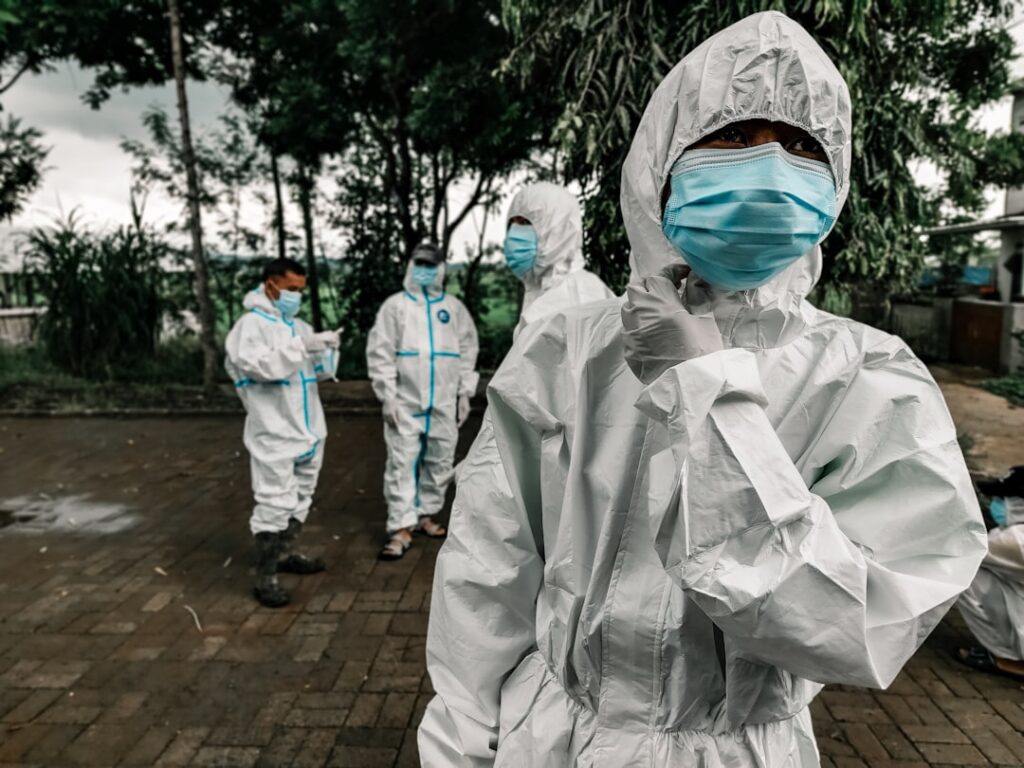
- Facilitating the distribution of personal protective equipment (PPE)
The CDC’s presence in Uganda is vital, not just for immediate crisis management, but also for ensuring long-term public health strategies are in place. This includes training local health workers to promptly identify and respond to future cases of Ebola.
How Ebola Spreads
Ebola is primarily transmitted through direct contact with bodily fluids of infected individuals, which emphasizes the need for rigorous infection control measures. It can also spread through contact with contaminated surfaces or materials. Understanding these transmission routes is essential for any community.
Community Responses and Challenges
Local communities play a crucial role in managing the outbreak. While many Ugandans are aware of Ebola and its risks, misinformation can spread just as quickly as the virus itself. This is where the CDC and other health organizations step in to provide clear, accurate information.
For instance, community leaders can help dispel myths about how Ebola spreads, emphasizing that it is not airborne and cannot be transmitted through casual contact. Education campaigns have been initiated to target misinformation and promote safety measures, such as:
- Staying away from areas with reported cases
- Washing hands frequently
- Avoiding close contact with sick individuals
The Importance of Early Detection
Early detection is a critical element in controlling the spread of Ebola. The sooner symptoms are recognized, the faster individuals can be isolated and treated. This is where the role of healthcare providers becomes crucial. Training local health workers to recognize symptoms and respond quickly can save lives and prevent further transmission of the virus.
Key Health Takeaways
If you live in or are traveling to Uganda, or if you’re simply interested in public health issues, here are some key points to keep in mind:
- Be aware of the symptoms of Ebola
- Stay updated on health advisories from reputable organizations like the CDC
- If you suspect exposure, seek medical advice immediately
The Role of the Global Community
The fight against Ebola isn’t just Uganda’s battle; it’s a global concern. The potential for a virus to spread beyond borders is a reminder of our interconnected world. International collaborations, funding, and research are more important than ever.
Pharmaceutical companies are under pressure to develop effective vaccines against all strains of Ebola. As the world watches Uganda, the hope is that this outbreak will spur greater investments in healthcare not just in Uganda, but in vulnerable regions worldwide.
Looking Ahead
As the CDC continues its work in Uganda, it serves as a reminder of the ongoing need for vigilance in public health. While the situation remains dire, it also highlights the importance of community solidarity, education, and proactive health measures.
For those in Uganda, the fight against this outbreak is far from over, and the community’s resilience will be crucial. As we follow the developments in this outbreak, let’s not forget the lessons learned from past experiences. By staying informed and prepared, we can contribute to the global effort to combat Ebola and other infectious diseases.
Your Role in Public Health
As individuals, we all have a role to play in public health. Whether it’s educating ourselves about diseases, sharing accurate information, or taking preventive measures, every action counts. The CDC’s involvement in Uganda is a crucial part of a larger puzzle that requires contributions from all corners of society.
This article is for general informational purposes only and is not medical advice. It is not a substitute for professional medical diagnosis, treatment, or care. Always consult a qualified healthcare provider with any questions about a medical condition or before making changes to your health routine.