Great Health Great Fitness

Uncovering the Overlap: Autoimmune Disorders and Women’s Health Challenges
Explore the complex link between autoimmune disorders and women's health, covering symptoms, diagnosis, and effective management strategies.

Your Body is Talking: Are You Listening?
Imagine this: you wake up one morning, and your fingers feel swollen. You brush it off, thinking it’s just a long day at work or perhaps too much time spent typing away on your laptop. Days pass, and suddenly, fatigue creeps in. You find yourself canceling plans, feeling as if you’ve run a marathon without ever leaving the couch. If this sounds familiar, you could be one of the many women navigating the complex world of autoimmune disorders.
Quick tip: many readers have found Black Cohosh Supplements genuinely helpful here — Check Price on Amazon.
Before diving in — if you're looking for practical support, Myo-Inositol & D-Chiro is worth a look — Check Price on Amazon.
Autoimmune disorders are not just a health statistic; they encompass real experiences that affect millions of women worldwide. In fact, women are three times more likely than men to develop autoimmune diseases. This sobering fact often leaves many wondering: what’s going on in our bodies?
Understanding Autoimmune Disorders
So what exactly are autoimmune disorders? At their core, they involve the immune system mistakenly attacking healthy cells. Conditions like rheumatoid arthritis, lupus, and multiple sclerosis (MS) fall under this umbrella. Symptoms can vary dramatically from fatigue and joint pain to rashes and even neurological issues.
For instance, rheumatoid arthritis might start with discomfort in your hands and gradually lead to debilitating pain across your body. In contrast, lupus can present with a characteristic butterfly-shaped facial rash, fatigue, and sensitivity to sunlight. These conditions, while distinct, share common threads that can complicate diagnosis and treatment.
Why Do Women Suffer More?
It’s essential to consider why women are disproportionately affected by autoimmune disorders. Hormones play a crucial role, as fluctuations in estrogen and progesterone can influence immune responses. Research suggests that these hormones might increase the likelihood of autoimmune diseases developing in women, especially during reproductive years.
Another contributing factor is genetics. Women are often carriers of certain genes that predispose them to autoimmune conditions. Coupled with environmental triggers—like infections or stress—these genetic factors can lead to the manifestation of a disorder.
Recognizing the Symptoms
Symptoms of autoimmune disorders can be elusive, often leading to misdiagnoses or delayed treatment. Here are some common symptoms to be aware of:
- Unexplained fatigue
- Joint pain and swelling
- Skin rashes or changes
- Digestive issues
- Neurological symptoms like numbness or tingling
If you experience several of these symptoms, it’s crucial to consult with a healthcare provider. Many women suffer in silence, attributing these symptoms to stress or aging. But recognizing these signs early can be vital in managing your health.
Getting the Right Diagnosis
Diagnosing autoimmune disorders can be a winding road. Often, it involves a mix of blood tests, imaging studies, and a thorough review of your medical history. You might find yourself visiting multiple specialists before a definitive diagnosis is reached.
For instance, lupus is often called the “great imitator” because its symptoms can resemble those of other diseases. A rheumatologist is typically the go-to specialist for autoimmune disorders. They can run tests like antinuclear antibody (ANA) tests and other specific autoantibody assays.
One important takeaway here is to keep a detailed symptom diary. Noting when symptoms occur, their severity, and any potential triggers can provide invaluable information to your healthcare team.
Effective Management Strategies
While there is no one-size-fits-all approach to managing autoimmune disorders, several strategies can help minimize symptoms and enhance your quality of life.
1. Lifestyle Changes
Diet plays a significant role in managing autoimmune symptoms. Many individuals find relief by adopting an anti-inflammatory diet rich in fruits, vegetables, whole grains, and healthy fats. Foods high in omega-3 fatty acids, like salmon and walnuts, can also help reduce inflammation.
Exercise is another critical component. Regular, moderate physical activity can boost your mood, improve joint flexibility, and help manage fatigue. Activities like yoga or swimming can be particularly beneficial, as they are low-impact and promote relaxation.
2. Stress Management
Stress is a known trigger for autoimmune flare-ups. Techniques such as mindfulness, meditation, and deep-breathing exercises can help you manage stress levels effectively. Setting aside time each day for self-care, whether it’s reading a book or taking a leisurely walk, can make a world of difference.
3. Medication and Treatment
Depending on your specific diagnosis, your doctor may prescribe medications to suppress your immune system or alleviate symptoms. This could include nonsteroidal anti-inflammatory drugs (NSAIDs) for joint pain or corticosteroids for inflammation. Always work closely with your healthcare provider to find the best treatment plan for your unique situation.
4. Seek Support
Connecting with others who understand your journey can be incredibly empowering. Online forums, local support groups, or organizations dedicated to specific autoimmune diseases can provide a sense of community and shared resources.
In some cases, therapy can also be beneficial. Speaking with a mental health professional can help you navigate the emotional challenges that often accompany chronic illness.
 Popular Choice
Myo-Inositol & D-Chiro
Supports hormone balance and ovarian health for women.
 Worth a Look
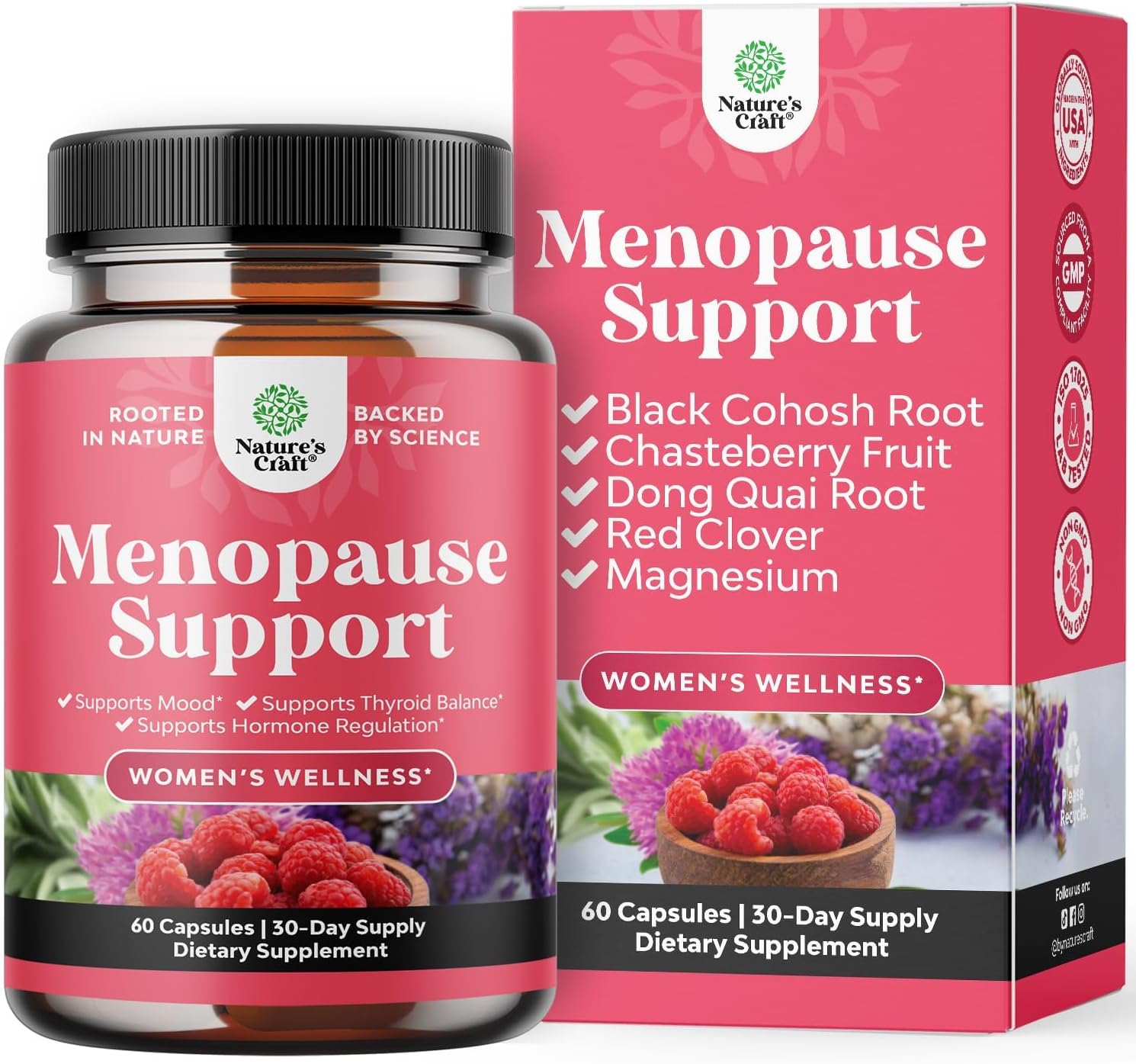
Black Cohosh Supplements
Supports relief from hot flashes and menopause symptoms with Black Cohosh.
Worth a LookBlack Cohosh Supplements — Supports relief from hot flashes and menopause symptoms with Black Cohosh.
Check Price on Amazon
Living with Autoimmune Disorders
Living with an autoimmune disorder can sometimes feel isolating. Your symptoms may fluctuate, and you could find yourself struggling to keep up with friends or family. Having open conversations with loved ones about what you’re experiencing can foster understanding and support.
Consider sharing updates on your condition, including what a good day looks like versus a bad day. This transparency can help your network be more supportive and considerate of your needs. You are not alone in this journey.
Stay Informed and Advocate for Yourself
As you navigate the complexities of autoimmune disorders, staying informed is one of your best strategies. Knowledge is power, and understanding your condition can help you advocate for yourself in medical settings.
Never hesitate to ask questions during appointments or seek second opinions if you’re not satisfied with the answers you receive. Your health is your priority.
Putting It All Together
The landscape of autoimmune disorders and women’s health is intricate and continually evolving. As researchers delve deeper into the connections between gender, hormones, and autoimmune responses, we gain valuable insights that pave the way for better treatment options.
Editor's PickMyo-Inositol & D-Chiro — Supports hormone balance and ovarian health for women.
Check Price on Amazon
Remember, while the journey may involve twists and turns, there are resources and strategies available to help you manage your symptoms and maintain a fulfilling life. Whether it’s lifestyle modifications, support networks, or medical interventions, you have the power to take charge of your health.
Stay vigilant. Your body is talking—are you listening?
This article is for general informational purposes only and is not medical advice. It is not a substitute for professional medical diagnosis, treatment, or care. Always consult a qualified healthcare provider with any questions about a medical condition or before making changes to your health routine.
RecommendedMyo-Inositol & D-Chiro — Supports hormone balance and ovarian health for women.
Check Price on Amazon
RecommendedBlack Cohosh Supplements — Supports relief from hot flashes and menopause symptoms with Black Cohosh.
Check Price on Amazon