Great Health Great Fitness

Wearable Technology Dominates Fitness Trends in 2025
Date: June 25, 2025
Location: Global
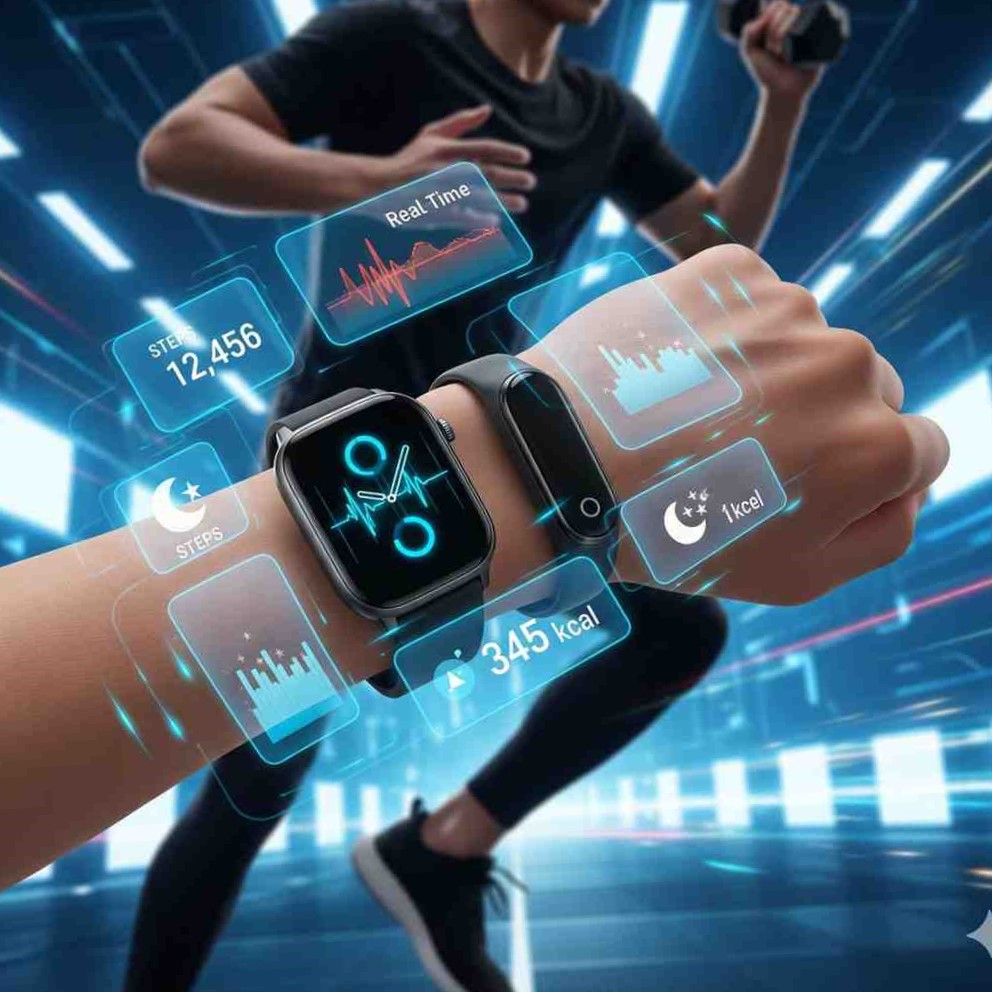
In 2025, wearable technology has emerged as the leading trend in the fitness and exercise industry, transforming how people approach health, wellness, and physical activity. Devices such as smartwatches, fitness trackers, and smart rings are no longer just gadgets—they have become essential tools for individuals seeking to monitor their bodies, optimize workouts, and maintain overall well-being.
📊 Real-Time Data Revolutionizes Workouts
According to the American College of Sports Medicine (ACSM), wearable devices provide real-time insights into vital health metrics such as:
- Heart rate and heart rate variability
- Step counts and distance traveled
- Sleep quality and duration
- Calories burned and energy expenditure
- Stress levels and recovery status
This data-driven approach allows users to personalize their exercise routines, ensuring that workouts are efficient, effective, and safe. Fitness experts highlight that the ability to track progress and receive instant feedback motivates individuals to stay consistent and achieve their health goals.
🏃 Personalized Fitness for Everyone
Wearable technology caters to a wide range of users, from beginners to elite athletes. For example:
- Beginners can monitor daily activity and gradually increase intensity.
- Intermediate users can track heart rate zones during cardio and resistance training.
- Advanced athletes can optimize performance with detailed metrics on recovery, sleep cycles, and training load.
Fitness trainers note that the integration of AI in wearable devices further enhances personalization, providing customized workout recommendations and preventive health alerts based on individual data trends.
🌍 Global Popularity and Industry Growth
The wearable fitness market has witnessed exponential growth, with millions of units sold worldwide. Industry analysts predict that global sales will surpass $20 billion by the end of 2025, driven by increased health awareness and technological advancements.
Beyond individual use, wearable technology is also being adopted by:
- Corporate wellness programs, encouraging employees to stay active
- Healthcare providers, who monitor patient activity and recovery remotely
- Sports teams, to enhance performance and reduce injury risks
🧠 Beyond Physical Fitness
Experts emphasize that wearable technology is not just about physical activity—it also plays a crucial role in mental health and overall wellness. Many devices now monitor stress levels, encourage mindfulness practices, and track sleep patterns, helping users achieve a balanced lifestyle.
Recent studies show that users who actively track their health metrics are more likely to maintain long-term fitness routines, demonstrating the profound impact of technology on habit formation and well-being.
⚠️ Considerations and Future Outlook
While wearable technology offers numerous benefits, experts advise users to:
- Interpret data carefully and avoid over-reliance on devices
- Combine tracking with professional guidance when necessary
- Stay updated on privacy and data security practices
Looking ahead, the industry is expected to incorporate advanced AI, biometric sensors, and integration with telemedicine, further bridging the gap between fitness, healthcare, and personalized wellness.
🏆 Conclusion
Wearable technology has firmly established itself as a game-changer in the world of fitness, empowering individuals with knowledge, motivation, and control over their health. As these devices become more sophisticated and accessible, they are set to reshape the future of exercise, wellness, and preventive healthcare, making personalized fitness achievable for people of all ages and lifestyles.