


Beijing, China – September 13, 2025
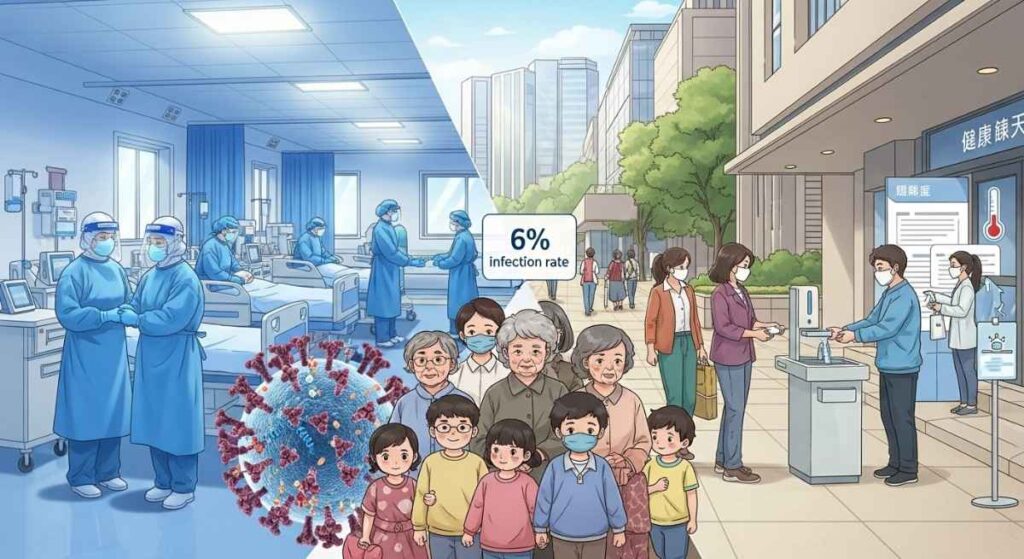
Health authorities in China have reported a notable surge in cases of Human Metapneumovirus (HMPV), a respiratory virus that has been increasingly contributing to illness nationwide. Recent laboratory analyses indicate that HMPV now accounts for over 6% of positive respiratory illness cases, signaling a growing public health concern, particularly for vulnerable populations.
What is Human Metapneumovirus (HMPV)?
HMPV is a respiratory virus first identified in 2001, and it is known to cause illnesses ranging from mild cold-like symptoms to severe respiratory infections. The virus primarily affects young children, the elderly, and individuals with weakened immune systems. Symptoms commonly include:
- Fever and chills
- Cough and nasal congestion
- Sore throat
- Fatigue and body aches
- Shortness of breath in severe cases
The virus spreads through respiratory droplets, making close contact in crowded areas, schools, and healthcare facilities a key factor in its transmission.
Recent Developments and Hospital Impact
Hospitals in multiple provinces have reported a noticeable increase in admissions for respiratory illness in the past two months. Pediatric wards and elderly care units have been particularly affected, with many patients requiring supplemental oxygen or close monitoring due to severe symptoms.
Health authorities are actively monitoring infection rates and have urged hospitals to prepare for potential increases in patient numbers, especially as colder months approach when respiratory viruses traditionally peak.
Public Health Response
The Chinese Center for Disease Control and Prevention (CDC) has issued guidelines to help mitigate the spread of HMPV:
- Personal hygiene: Frequent handwashing and covering the mouth and nose when coughing or sneezing.
- Mask usage: Wearing masks in crowded indoor areas, particularly in hospitals, schools, and public transport.
- Early medical attention: Seeking healthcare if symptoms worsen or if at-risk individuals, such as children and the elderly, show signs of severe respiratory illness.
- Isolation of infected individuals: Avoiding close contact with others while symptomatic to reduce transmission.
Authorities are also encouraging hospitals and clinics to improve patient triage systems to identify and isolate cases quickly, limiting the virus’s spread within medical facilities.
Who is Most at Risk?
Children under five, adults over 65, and those with pre-existing respiratory or immune conditions face the greatest risk from HMPV infection. Complications can include:
- Bronchiolitis or pneumonia
- Exacerbation of asthma
- Secondary bacterial infections
Experts advise that caregivers and family members of at-risk individuals remain vigilant and implement preventive measures.
Lessons from Other Countries
Countries with prior HMPV outbreaks have emphasized the importance of early detection, rapid testing, and public education in controlling viral spread. Health officials in China are collaborating with international health organizations to share data and improve response strategies.
Advice for the Public
- Stay informed: Follow updates from local health authorities regarding HMPV trends.
- Practice preventive measures: Good respiratory hygiene, mask usage, and avoiding crowded spaces when sick are crucial.
- Vaccination: While no specific vaccine for HMPV exists yet, staying current with other vaccines, like influenza and pneumococcal vaccines, can reduce the risk of severe respiratory complications.
- Seek medical care early: If symptoms worsen or high-risk individuals become infected, prompt medical attention is essential.
Conclusion
The surge of Human Metapneumovirus in China underscores the ongoing threat posed by emerging respiratory viruses. While HMPV is often less publicized than influenza or COVID-19, its impact on children, the elderly, and hospital systems cannot be underestimated. Public vigilance, timely medical intervention, and strict adherence to hygiene measures remain the most effective tools to mitigate its spread.
Health authorities continue to monitor the situation closely and urge the public to take proactive steps to protect themselves and their communities.